






The Tragic Spring Break Celebration
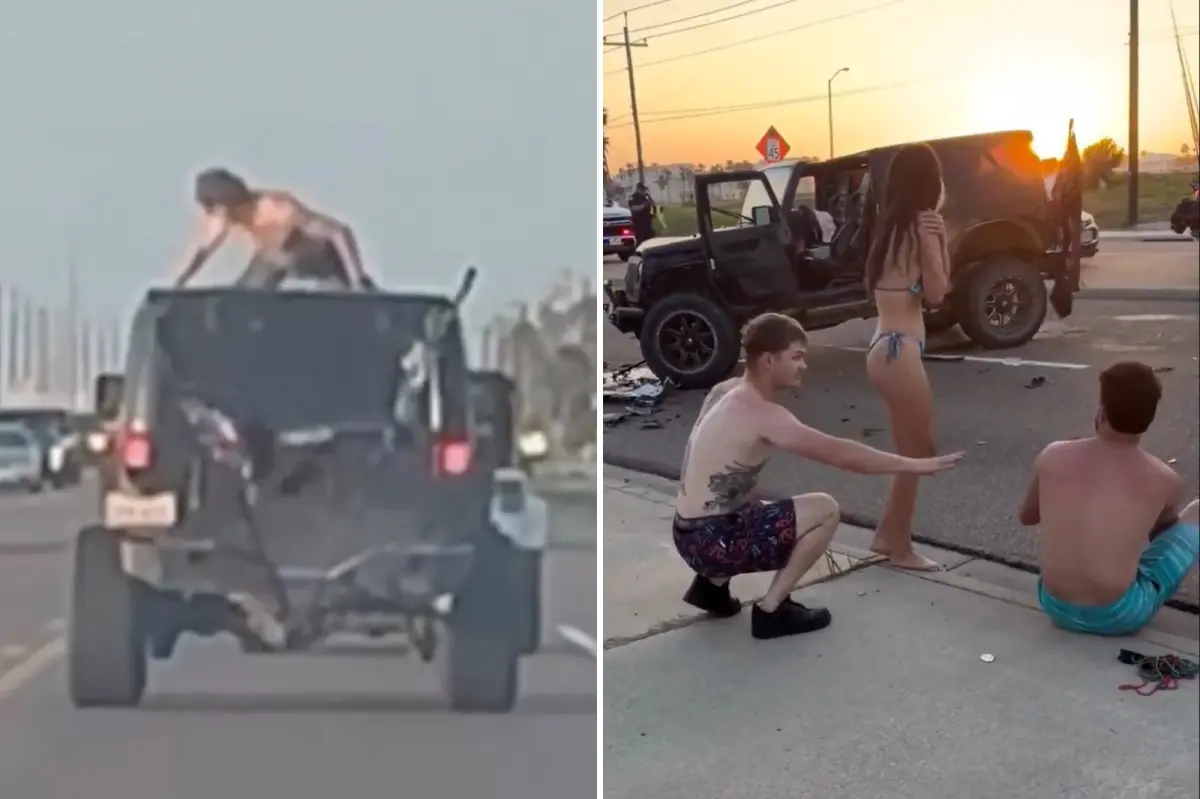
Imagine a vibrant spring break scene in Port Aransas, Texas, where young people escape the gloom of winter, seeking sun, sand, and freedom. Amid the laughter, music, and ocean breezes, a group embarks on what starts as a thrilling joyride, fueled by the intoxicating mix of youth, alcohol, and boundless energy. Little do they know, this outing will spiral into a heartbreaking tragedy. At the heart of it all is Michael Brown, a 22-year-old full of life and mischief, who becomes an unwitting star in a viral video that captures both his playful spirit and the perilous folly of reckless decisions. The footage shows him shirtless, twerking boldly on the roof of a speeding Jeep, his body swaying to an unseen beat, oblivious to the dangers racing beneath his feet. It’s a moment of pure, unbridled freedom, but one that taints the joy of spring break with sorrow. Families gather in coastal towns like this every March, hoping for memories to cherish, yet this year, the headlines would remind us that not all escapades end in laughter. Michael’s story highlights the fragility of life, where a single careless act can shatter dreams and leave a community in mourning. As friends and witnesses recount the events, it’s clear this was no isolated incident—it reflects a broader culture of partying gone wrong, where the line between fun and fatality blurs too easily.
The Viral Moment and the Horrifying Crash
In the giddy chaos of that March 14 afternoon, Michael Brown found himself atop the Jeep, his laughter echoing as the vehicle sped down Highway 361. Sheetless and carefree, he danced provocatively, his movements captured in a video that would later go viral, drawing millions of views and spawning endless commentary. Viewers at home might shake their heads at the recklessness, but in the heat of the moment, it’s easy to see how adrenaline masked the risks. The Jeep, packed with young revelers in swimsuits ready for the beach, cruised fast, perhaps too fast. Suddenly, the horror unfolds: the alleged drunk driver, Riley Rhoades, loses control and smashes into another vehicle—a Tesla—ending the ride in catastrophe. Michael is flung violently from the roof, his body slamming against the pavement with a devastating impact. Witnesses describe a sickening thud, followed by silence as those same friends who cheered the dance now scramble in shock. The Jeep’s path of destruction leaves no room for doubt; it’s a reminder of how alcohol impairs judgment, turning a spontaneous adventure into a life-altering disaster. For Michael, that playful twerk becomes the last act in a night meant for celebration, transitioning from exuberance to excruciating pain in an instant. The highway, once a vibrant artery of joy, transforms into a grisly scene, underscoring the cruel irony of spring break pursuits.
The Aftermath on the Highway
As dust settles on the crumpled vehicles, the aftermath unfolds in stark clarity. Horrified witnesses, their phones still recording, capture the grim reality: paramedics frantically tending to Michael in the middle of the road, his unconscious body sprawled amidst the debris. Blood stains the asphalt, a poignant contrast to the swimsuits worn by his companions, who stand nearby, frozen in disbelief. First responders, trained for such emergencies, work tirelessly to stabilize him, their faces etched with urgency as they load him into an ambulance. The air fills with sirens, crying, and the distant crash of waves, a cruel soundtrack to this unfolding nightmare. Nearby motorists pull over, some offering help, others gawking, turning the tragedy into a spectacle. Michael’s friends, clad in their beach attire, huddle together, perhaps grappling with guilt or denial—did their laughter encourage this? Questions linger about why the Jeep wasn’t stopped sooner, or if enough caution was heeded. In the bustling chaos of spring break, where crowds surge and adrenaline peaks, this scene serves as a sobering pause. Families back home, unaware of the shift, prepare for reunions, while here, lives hang in the balance. Michael’s compassion and resilience shine through in this moment; even as he lay broken, his story evokes empathy for the human cost of poor choices.
Michael Brown’s Life and Legacy
To truly understand the pain, we must delve into Michael Brown’s world—a young man of 22, embodying the dreams and ambitions of his generation. Growing up, he was likely the life of parties, the friend who brought energy to every gathering, with a smile that lit up rooms. Perhaps he hailed from a loving family, pursuing studies or a passion, saving for future adventures. Peers remember him as adventurous, spontaneous, unafraid to embrace life’s thrills. Yet, in the viral video, we see a side of him—reckless, yes, but also wholly human, lost in the euphoria of the moment. His twerking atop the Jeep wasn’t malice; it was joy unbound, a testament to youthful exuberance. But tragically, it ended with catastrophic head injuries from the crash, leading to his death just days later on Friday. Pronounced dead, his passing leaves a void, amplified by the medical examiner’s silence on details. Friends mourn not just the loss, but the what-ifs—what if the ride had been planned safer, or alcohol abstained? His legacy now intertwines with warnings about spring break excesses, a stark example of how one night’s fun can rewrite an entire story. In humanizing his tale, we empathize with his parents, siblings, or loved ones, grappling with grief over a life cut short. Michael wasn’t just a statistic; he was a son, a friend, a dreamer, reminding us to cherish every moment and advocate for responsibility in our celebrations.
The Role of the Driver and Passengers
At the epicenter of the crash is the Jeep’s driver, Riley Rhoades, arrested on the spot for driving while intoxicated after failing a breathalyzer test. Like Michael, Rhoades was immersed in the spring break frenzy—teenage freedom mixed with poor decisions. As the vehicle hurtled down the highway, Rhoades’ impaired judgment sealed the fate, transforming a group outing into a deadly accident. Fellow passengers, clad in swimsuits like Brown’s, watched the twerking from inside, their cheers perhaps fueling the chaos. Now, they stand as haunted observers, their spring break forever tarnished by guilt and trauma. Legal proceedings loom, with Rhoades facing charges that could alter his life permanently. This isn’t just about blaming one person; it’s a collective reflection on peer influence and the unspoken pressures of partying. Imagine the internal turmoil—the regret of ignoring safety, the weight of knowing their actions contributed to a death. Society often romanticizes these joyrides, but they demand accountability. Rhoades and the others embody the human flaws of impulsivity, yet their stories evoke compassion; they too are young, capable of growth from this tragedy. In sharing their part, we humanize the narrative, urging better choices to prevent such losses. Spring break, meant for bonding, instead becomes a lesson in consequences, where one drunken decision echoes through lives.
Lessons from a Shattered Celebration
The death of Michael Brown reverberates beyond Port Aransas, prompting nationwide conversations about the darker side of spring break traditions. This incident, with its viral video and tragic end, illuminates how mixing alcohol, speed, and silliness can lead to irreversible harm. Authorities emphasize safety, reminding revelers that joyrides aren’t games—lives are at stake. For families, it’s a call to open dialogues about responsible fun, ensuring celebrations don’t devolve into disasters. Michael’s story, though heartbreaking, fosters empathy and awareness, encouraging communities to support mental health resources for those affected by loss. As the investigation concludes and procedures unfold, we honor his memory by advocating for change—stricter laws on drunk driving, better education on risks. In human terms, this saga touches every soul, from the bereaved to the reckless, highlighting life’s preciousness. Spring break can still be magical, but it must be tempered with care. Michael’s final dance, once a emblem of euphoria, now stands as a somber caution, urging all to tread carefully in pursuit of happiness. May his memory inspire safer paths, turning tragedy into a catalyst for compassion and wiser choices.