





The Rising Tide of Political Violence in America
In recent years, America has witnessed a disturbing surge in political violence, creating deep scars across the nation’s political landscape. From assassination attempts on former President Donald Trump to targeted killings of political figures and business leaders, these acts of violence have crossed ideological lines and affected individuals across the political spectrum. Despite an overall decline in the national murder rate to a 125-year low in 2025, experts warn that political violence and tolerance for such acts continue to rise at an alarming pace. This troubling trend represents a fundamental challenge to American democracy, where disagreement has increasingly shifted from debate to dangerous confrontation.
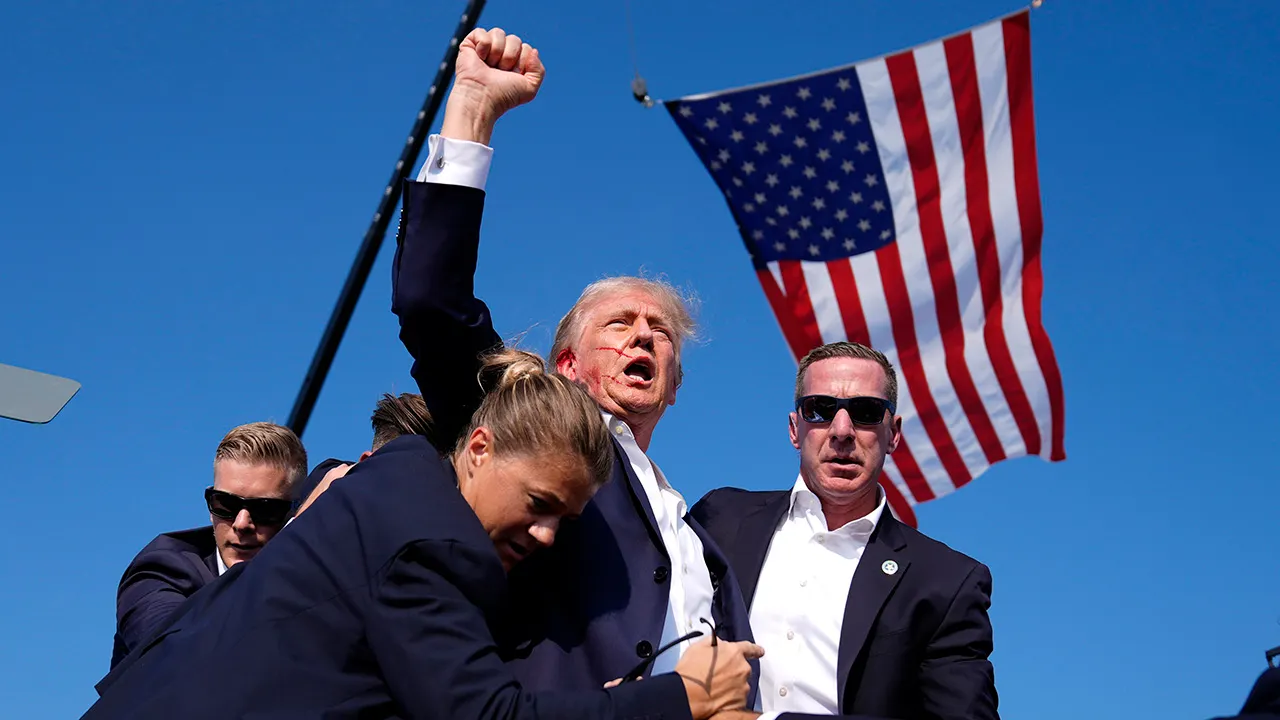
The most high-profile incidents involved former President Donald Trump, who survived two assassination attempts within a short period. On July 13, 2024, during a campaign rally in Butler, Pennsylvania, 20-year-old Thomas Crooks opened fire from a rooftop overlooking the event. While Trump escaped with only a grazed ear, the attack claimed the life of Corey Comperatore, a 50-year-old firefighter and father of two, who died protecting his family. Just two months later, on September 15, Secret Service agents thwarted another attempt when they spotted a rifle barrel protruding from bushes near Trump International Golf Club in West Palm Beach. The perpetrator, Ryan Wesley Routh, was convicted but awaits sentencing. These incidents highlight the escalating threats faced by high-profile political figures, with White House spokeswoman Abigail Jackson noting that “no one understands the dangers of political violence more than President Trump.”
The violence has extended beyond traditional political figures to include business leaders and activists. On December 4, 2024, UnitedHealthcare CEO Brian Thompson was fatally shot in the back on a Manhattan sidewalk by Luigi Mangione, who allegedly planned the murder meticulously to spark “public discussion about the healthcare industry.” In perhaps one of the most shocking incidents, Charlie Kirk, the 31-year-old founder of Turning Point USA and father of two, was assassinated by a sniper while speaking at Utah Valley University on September 10, 2025. Court documents revealed that the suspect, 22-year-old Tyler Robinson, was motivated by opposition to Kirk’s conservative views, reportedly texting: “I had enough of his hatred.” These attacks demonstrate how political violence has expanded to target influential voices across various sectors of American society.
State and local officials have not been spared from this wave of violence. On April 13, 2025, Pennsylvania Governor Josh Shapiro and his family narrowly escaped harm when an arsonist set fire to the governor’s residence while they slept. The attack, occurring on the first night of Passover against the Jewish Shapiro family, resulted in perpetrator Cody Balmer receiving a 25 to 50-year prison sentence. In Minnesota, violence struck the state legislature when Representative Melissa Hortman, a Democrat, and her husband were killed in their home on June 14, 2025. In a related attack, State Senator John Hoffman and his wife were shot but survived. These incidents reveal how political violence has permeated all levels of government, creating an atmosphere of fear among public servants.
The violence has taken on additional disturbing dimensions with hate crimes and threats to law enforcement. On May 21, 2025, a gunman killed a young couple outside the Capital Jewish Museum in Washington, D.C.—both victims were employees of the Israeli embassy. The suspect, Elias Rodriguez, was described as a pro-Palestinian activist from Chicago. In another case, U.S. Border Patrol Commander Gregory Bovino was allegedly the target of a $10,000 murder-for-hire plot, though the accused orchestrator was ultimately acquitted. Even Vice President JD Vance’s home became a target when a 26-year-old man with a history of mental illness attempted to break in by hammering the windows in January 2026. These incidents demonstrate how political violence has increasingly intersected with other forms of extremism, creating a complex web of threats.
As America grapples with this troubling trend, the consequences extend far beyond the immediate victims. Political violence represents a direct challenge to democratic institutions and processes, creating an environment where fear replaces discourse and intimidation substitutes for debate. The bipartisan nature of these attacks—striking conservatives like Trump and Kirk alongside progressives like Hortman—suggests that no political viewpoint is immune. In response, some states have begun introducing legislation, such as a California bill named after Charlie Kirk and Melissa Hortman, which adds “political affiliation” to protected categories under hate crime laws. Yet addressing the deeper societal factors that have normalized political violence remains a profound challenge. As former FBI agents and security experts warn of a new pattern of political violence, Americans face the sobering reality that defending democracy may require not just physical security measures, but a fundamental recommitment to peaceful political engagement across ideological divides.