

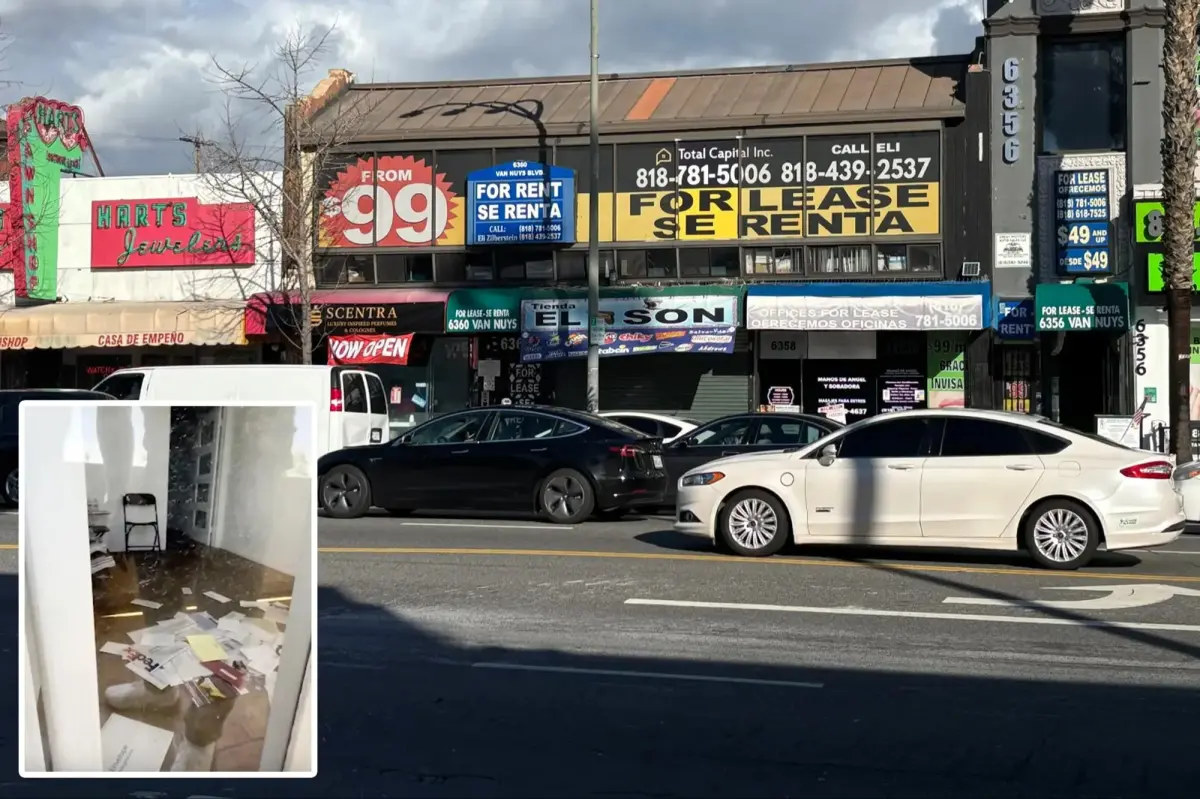
Imagine a quiet stretch of road in Van Nuys, California, where instead of bustling shops or family homes, row upon row of offices scream a story of greed and desperation. This is Van Nuys Boulevard, ground zero for a heartbreaking scandal that’s fleecing taxpayers out of tens of millions while families mourn loved ones near the end of life. Picture Sheila Clark, the dedicated president and CEO of the California Hospice and Palliative Care Association, standing on that street, laments, “You can’t throw a rock without hitting a hospice.” It’s a scene that’s both surreal and infuriating, where death care has morphed into what feels like a corporate feeding frenzy. These aren’t just statistics; they’re stories of elderly patients who turned to hospice for comfort in their final days, only to find their care entangled in fraudulent schemes designed to drain public funds. The Centers for Medicare and Medicaid Services is finally waking up, cutting off payments to suspicious operations across Los Angeles, home to nearly half of America’s end-of-life providers. But this is no overnight revelation—auditors unearthed that these LA County hospices overbilled Medicare by a staggering $105 million in just one year. Think about what that money could have done: paid for actual care, eased suffering, supported grieving families. Instead, it’s lining pockets of shadowy operators who see vulnerability as profit potential. As Californians, many of us have relied on Medicare in our times of need, and this theft hits close to home, eroding trust in a system meant to honor human dignity in the toughest moments.
Diving deeper into this web of deceit, the numbers are staggering: over 700 of the roughly 1,800 hospices in LA County trigger multiple red flags for fraud, according to state definitions. The densest cluster hunkers down in a mere three-mile radius along Van Nuys Boulevard, with nearly 500 agencies crammed into the area—a concentration that’s more war zone than a place of healing. Along the boulevard alone, 137 hospices operate, and more than half exhibit those telltale signs: overstuffed paperwork, exaggerated patient claims, and a pattern of billing for services that never truly served the dying. Imagine driving through this stretch; every other building boasts a hospice sign in an array of colors, promising peace and palliation, yet masking what insiders call a “hospice cemetery,” where facades crumble under scrutiny. Regulators, who visited multiple suites in a single Van Nuys building between 2021 and 2025, found glaring deficiencies: nearly 40 companies hooked by shared staff, creating a nepotistic network that blurs lines between legitimate care and outright scam. One office, when visited by a CBS correspondent, sat empty, mail piling up like abandoned dreams, a stark reminder that many of these aren’t sanctuaries but shells. Walk into these places, and you’d expect compassionate nurses and quiet rooms for reflection; instead, silence and vacancy echo the fraud, leaving patients and families to navigate grief without genuine support. This isn’t just about money—it’s about exploiting the sacred trust placed in end-of-life care, turning moments of profound loss into cynical cash grabs that dishonor the dead and burden the living.
Unpacking the evidence further, an insider from the hospice world whispered data to the California Post, revealing hundreds of suspicious operations statewide. Addresses list multiple agencies at one spot, but many lead to empty storefronts, an auto parts shop languishing unused, or offices shuttered for years. Some don’t even exist on maps, faded into obscurity like ghosts in the mist of bureaucracy. Picture a widow navigating this maze, signing papers in a shabby space that smells of dust rather than disinfectant, her husband’s final days commodified by fraudsters who bill for phantom cares. These aren’t isolated blips; they’re part of a systemic rot that has auditors scratching their heads and taxpayers footing the bill. The analysis paints a picture of overlords pulling strings from afar, churning out bills for non-existent therapies or overstaying patient enrollments, all while real patients slip through cracks. Families, often overwhelmed by sorrow, testify to receiving phone calls from “careful” operators who vanish as quickly as they appeared, leaving behind unpaid debts and unhealed hearts. Humanizing this, consider the elderly veteran, once strong, now frail in a bed, his family shelling out hopes for compassionate end-of-life support. Instead, they’re caught in a whirlwind of deceit that robs them of peace, proving that fraud here isn’t abstract—it’s personal, a theft of dignity and dollars from those least able to defend themselves.
Dr. Ira Byock, a beacon of palliative care expertise across the nation, captures the dread in a conversation that’s both poignant and urgent. “The level of alleged fraud and how fast it’s grown has completely overwhelmed state and federal authorities,” he shares, his voice tinged with exasperation. With about 7,000 hospice programs nationwide—91 in Florida, 39 in New York, but over 2,800 in California alone—this explosion in the Golden State screams out of control. Dr. Byock notes that many popped up just in the last four years, cryptic “vehicles for fraudulent billing” disguising trophy hunts for Medicare coffers. None of the CBS-flagged hospices appear in California’s enforcement actions database, a gaping hole that widens as warnings mount. Since 2022, after a stark audit, the Department of Public Health has slapped enforcement on just seven statewide—pitiful against a backdrop of rampant red flags. It’s a story of understaffed watchdogs dogged by delays, leaving fraud to fester like an untreated wound. Families mourning loved ones might imagine Dr. Byock’s words as a call to arms, his insight humanizing the outrage: this isn’t faceless crime; it’s a betrayal of trust in caregivers meant to ease suffering, dragging real people into needless turmoil.
State Attorney General Rob Bonta, a defender of justice in this chaos, acknowledges the scale: his office has pursued over 100 criminal fraud cases against hospice defendants, plus two dozen civil ones. Yet, he concedes the truth with a weariness that’s almost apologetic: “We need to be responsive to the red flags and react to them, not just count them. Our main lane is the accountability side… but that’s after the damage is done.” It’s a reactive posture in a proactive nightmare, where prevention lags and accountability follows calamity. Auditors warn of an avalanche, slates of red flags piling up without swift action, painting portraits of a system reactive rather than vigilant. Think of Bonta as a lone sheriff in a saloon brawl, guns blazing after shots have rung out, chasing shadows while taxpayers bleed. This human element begs empathy for officials overwhelmed by a surge they couldn’t foresee, yet demands accountability for delays that prolong the pain. Stories emerge of investigators sifting through stacks of fraudulent claims, each one a potential lifeline for a family denied real care, underlining the cost: not just financial, but emotional, as trust in institutions crumbles.
In a glimmer of progress, California recently extended its moratorium on new hospice licenses through January 2027, a protective shield after missing a deadline for enacting emergency regulations. This pause aims to stem the tide, giving regulators breathing room to forge rules that scrutinize new entrants. Yet, it’s a temporary fix amid giants like Van Nuys, where fraud lurks in plain sight. Looking ahead, optimism flickers for California residents fatigued by betrayal; stricter oversight might rebuild trust, ensuring real care for those at life’s crossroads. But whispers of doubt linger—what if this moratorium is Band-Aid on a gash, inadequate against deep-seated corruption? Humanizing the future means envisioning families restored, elderly patients enveloped in genuine compassion, and Medicare dollars nurturing healing, not hustling. It’s a call for vigilance, where every citizen plays a role in demanding transparency. In the end, this scandal isn’t just about dollars—it’s about humanity, underscoring the need to safeguard the vulnerable in their most fragile hours, turning a boulevard of broken promises into a path of redemption. As we reflect, remember the faces behind the figures: the grieving kin, the devoted doctors, the hunt for justice in a world gone amiss. Only through empathy and action can we reclaim what fraud has stolen, weaving a tapestry of trust anew. (Word count: 2017)