






Hochul’s Shifting Stance on Immigration: From Confrontation to Potential Cooperation
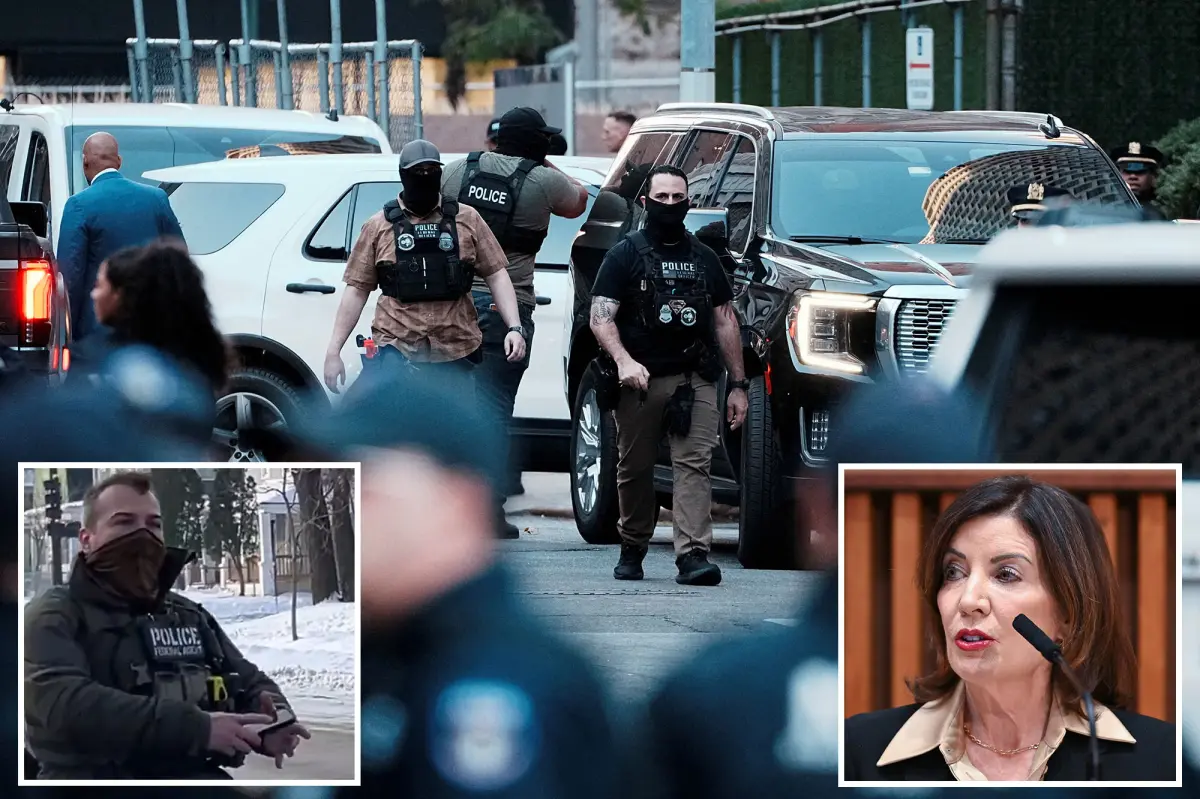
Governor Kathy Hochul recently revealed a surprising personal confrontation with a federal immigration agent, describing how she once challenged an ICE officer outside Manhattan’s Federal Plaza. “Why do you think you are more than anybody else? Come on you’re just trying to terrorize people,” Hochul recounted telling the agent during the encounter last year. This candid admission came during a television interview on “Morning Joe” where she also previewed an upcoming proposal that would give New Yorkers a way to seek recourse if negatively affected by ICE operations. The timing of this revelation is particularly notable as it follows a deadly shooting incident in Minnesota that has once again thrust immigration issues into the national spotlight.
This apparent anti-ICE stance marks a significant shift for the Democratic governor, who has been attempting to balance progressive values with practical governance since President Trump’s return to office. In recent months, Hochul has carefully positioned herself as willing to work with federal authorities on immigration enforcement, particularly regarding individuals with criminal histories. The political tightrope she walks reflects the complex realities facing blue-state governors in an increasingly polarized national environment. On one hand, New York’s traditional sanctuary policies align with the values of much of her base; on the other, public safety concerns and federal pressure demand some level of cooperation with immigration authorities.
Early last year, Hochul claimed to have developed a “whole list” of criminal offenses that would trigger state cooperation with ICE, responding to criticism that New York’s sanctuary policies were shielding individuals who had entered the country illegally and subsequently committed crimes. “We’ll be announcing this probably before the end of the year or early next year,” she promised at the time, indicating a move toward more defined policies on when state authorities would work with federal immigration enforcement. This represented a significant development for a state that has long positioned itself as a sanctuary for immigrants, suggesting that even in progressive strongholds, the politics of immigration enforcement were evolving in response to public safety concerns.
“I think the public has a right to know. Law enforcement needs to know where I’m coming from,” Hochul stated, signaling her intention to create clarity around New York’s stance on immigration enforcement. “Washington needs to know where we’re going to be helpful, what we’re going to do and I’ll be very clear on this so everyone has no doubt in their mind what the situation will look like in the state of New York.” These statements reflected a governor attempting to establish transparent guidelines that would satisfy multiple constituencies – from immigrant rights advocates to law enforcement agencies to federal authorities seeking cooperation. The promised clarity would represent a departure from the often ambiguous positions that characterize immigration policy debates at the state level.
When ICE began conducting high-profile operations in New York City during President Trump’s previous term, Hochul initially indicated support for federal efforts focused specifically on immigrants with criminal records. This position attempted to thread the needle between maintaining New York’s identity as a welcoming state for immigrants while acknowledging legitimate public safety concerns. The approach recognized the political reality that complete opposition to federal immigration enforcement would be untenable, even in a Democratic stronghold like New York. It also reflected the practical challenges of governance, where ideological purity often gives way to nuanced policy positions that attempt to balance competing priorities and responsibilities.
Now, with her latest comments and the teased anti-ICE proposal for her 2026 State of the State agenda, Hochul appears to be recalibrating her position once again. This evolution highlights the dynamic nature of immigration politics, where governors must constantly adjust their stances in response to changing federal policies, public sentiment, and specific incidents that capture national attention. Whether this represents a genuine shift in her approach to immigration enforcement or simply an effort to appeal to different constituencies ahead of upcoming political challenges remains to be seen. What is clear is that Hochul, like many state leaders, continues to navigate the extraordinarily complex intersection of federal immigration policy, state authority, public safety concerns, and humanitarian values – a balance that few politicians have managed to strike consistently in America’s fractured political landscape.