







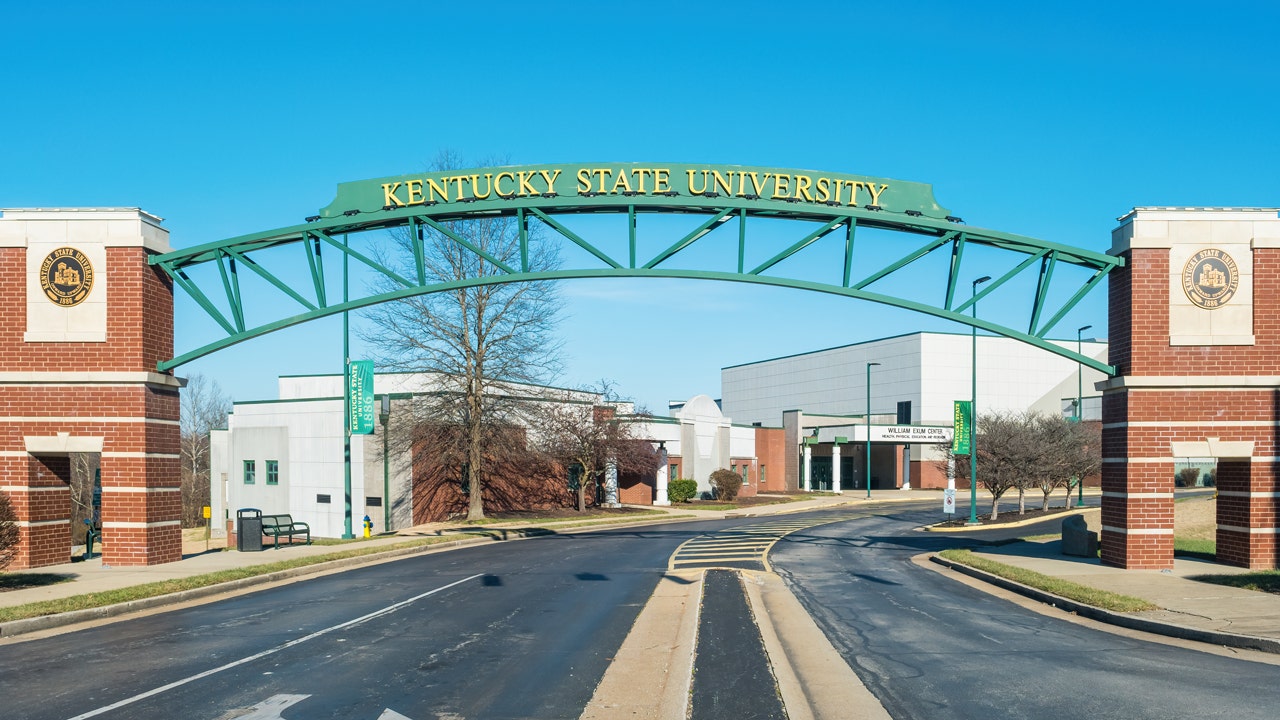
Kentucky State University Shooting Incident: A Community in Shock
In a troubling development that has shaken the academic community in Frankfort, Kentucky Governor Andy Beshear confirmed a shooting at Kentucky State University on Tuesday. The governor used social media to inform the public that law enforcement had responded quickly to the scene, resulting in the arrest of a suspect. While details remain limited in these early hours, Governor Beshear acknowledged that there were injuries, though the full extent of those injuries has not yet been disclosed. “Let’s pray for all those affected,” the governor wrote, capturing the sentiment of concern spreading throughout Kentucky and beyond as news of the incident began to circulate.
The Frankfort Sheriff’s Office has taken an active role in managing the situation, reporting via their official social media channels that they had successfully “secured the campus and have a suspect in custody.” This swift response likely prevented further tragedy, though the campus remained under lockdown as authorities continued their investigation. The lockdown protocol, designed to protect students, faculty, and staff during emergency situations, reflects the unfortunately well-rehearsed safety measures that have become necessary at educational institutions across the country. For students and faculty members caught in the lockdown, the experience represents a frightening disruption to what should have been an ordinary academic day.
The incident at Kentucky State University joins a distressing pattern of violence that has affected educational institutions nationwide. For the KSU community, a historically Black university with deep roots in Kentucky dating back to 1886, this event represents an unprecedented challenge. The university, which normally serves as a center for learning, cultural exchange, and community building, was transformed in an instant into a crime scene. Students who arrived on campus that morning expecting lectures and study sessions instead found themselves texting loved ones and sheltering in place while emergency response protocols unfolded around them.
As law enforcement continues to investigate, many questions remain unanswered. Information about the suspect’s identity and potential motives has not been released. Similarly, details about those injured in the incident—whether they were students, faculty, or staff—remain unknown to the public. These information gaps, while necessary during an ongoing investigation, naturally create anxiety within the community as people seek to understand what happened and why. Parents of KSU students have undoubtedly spent anxious hours attempting to contact their children, while university administrators work to provide support services and accurate information to a community in crisis.
The impact of such incidents extends far beyond the immediate physical injuries. Students and faculty who experience or witness campus violence often face lasting psychological effects, including post-traumatic stress, anxiety, and depression. University officials will need to implement comprehensive support services in the coming days and weeks to address these needs. Additionally, the incident raises questions about campus security measures and whether any improvements might prevent future violence. These considerations will likely become part of broader conversations within the KSU community as they begin the difficult process of recovery and healing.
In the wake of this incident, the Kentucky State University community will face the challenging task of returning to normal operations while processing what has occurred. Classes may resume, but the psychological impact will linger. Students and faculty will need time and support to regain their sense of safety on campus. Meanwhile, the broader conversation about violence prevention in educational settings continues across the nation, with each incident serving as a painful reminder of work yet to be done. As Governor Beshear suggested, many throughout Kentucky and beyond are indeed keeping the KSU community in their thoughts during this difficult time, hoping for healing for those injured and resilience for a university community facing an unexpected trauma.