


Trump’s Rally: A Reflection of Grievances, Achievements, and Political Theatre
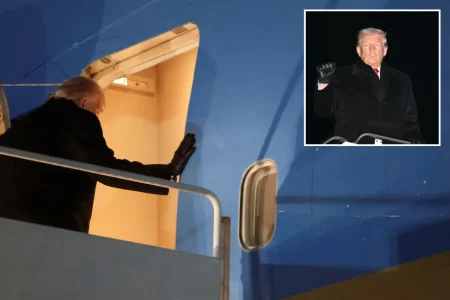
In a lengthy address spanning nearly two hours, President Trump delivered a speech that embodied his distinctive political style—a stream-of-consciousness journey through his administration’s accomplishments interwoven with deeply personal grievances. The President’s remarks followed a familiar pattern that has defined his public appearances, moving organically between policy points and sharp criticisms of his opponents. As audience members listened, Trump navigated through an extensive landscape of topics, highlighting what he considers victories of his administration while simultaneously denouncing those he perceives as obstacles to his agenda.
The President’s rhetoric consistently returned to a narrative of persecution, positioning himself as the target of unfair treatment by political opponents and media organizations. This victim narrative has become a cornerstone of his political identity, resonating strongly with his base who see in his struggles a reflection of their own feelings of marginalization in a changing America. Trump devoted considerable time to enumerating specific grievances against individuals who have criticized his administration or policies, often employing colorful language and personal attacks that have become his rhetorical signature. These moments elicited the most energetic responses from attendees, suggesting that this combative posture remains central to his appeal among supporters who appreciate his willingness to abandon traditional political decorum.
When addressing his administration’s achievements, Trump painted a picture of unprecedented success despite what he characterized as relentless opposition. He highlighted economic indicators, foreign policy initiatives, and domestic programs that he believes demonstrate the effectiveness of his leadership approach. The President framed these accomplishments within a narrative of fighting against entrenched interests, positioning himself as an outsider still battling established power structures even while occupying the highest office. This portrayal of perpetual struggle against “the system” has remained remarkably consistent throughout his political career, offering supporters a framework for understanding setbacks not as failures of leadership but as evidence of powerful forces aligned against their champion.
Perhaps most striking was Trump’s willingness to issue thinly veiled warnings to allies who have not demonstrated sufficient loyalty, suggesting potential consequences for those who fail to align themselves completely with his vision and priorities. This transactional view of political relationships has been characteristic of his leadership style, treating alliances as conditional arrangements rather than partnerships based on shared values or mutual interests. The President’s comments highlighted the premium he places on personal loyalty, reinforcing the perception that support for his agenda must be absolute and unquestioning, with anything less potentially interpreted as betrayal deserving of retribution.
Throughout the address, Trump demonstrated his practiced ability to read and respond to his audience, modulating his delivery based on their reactions and lingering on topics that generated enthusiastic responses. This interactive quality has long distinguished his rallies from more traditional political events, creating a sense of participation and direct communication that many supporters find appealing. The spontaneous and unscripted nature of his remarks—jumping between topics with little apparent transition—reinforces his image as an authentic voice unbound by conventional political constraints. While critics view this approach as undisciplined or unpresidential, supporters often describe it as refreshingly direct and evidence of his willingness to speak uncomfortable truths.
As the speech concluded after nearly two hours, it stood as a comprehensive encapsulation of the Trump political phenomenon—combining populist messaging, personal grievance, claims of historic achievement, and an adversarial stance toward critics. The event demonstrated how Trump continues to command attention and loyalty from his base through a communication style that blends entertainment, confrontation, and assertions of unprecedented success against overwhelming odds. Whether viewed as a masterful performance of political theater or a concerning deviation from presidential norms, the address reflected the polarizing nature of a president who has transformed American political discourse and reshaped expectations about how leaders communicate with their constituents.