





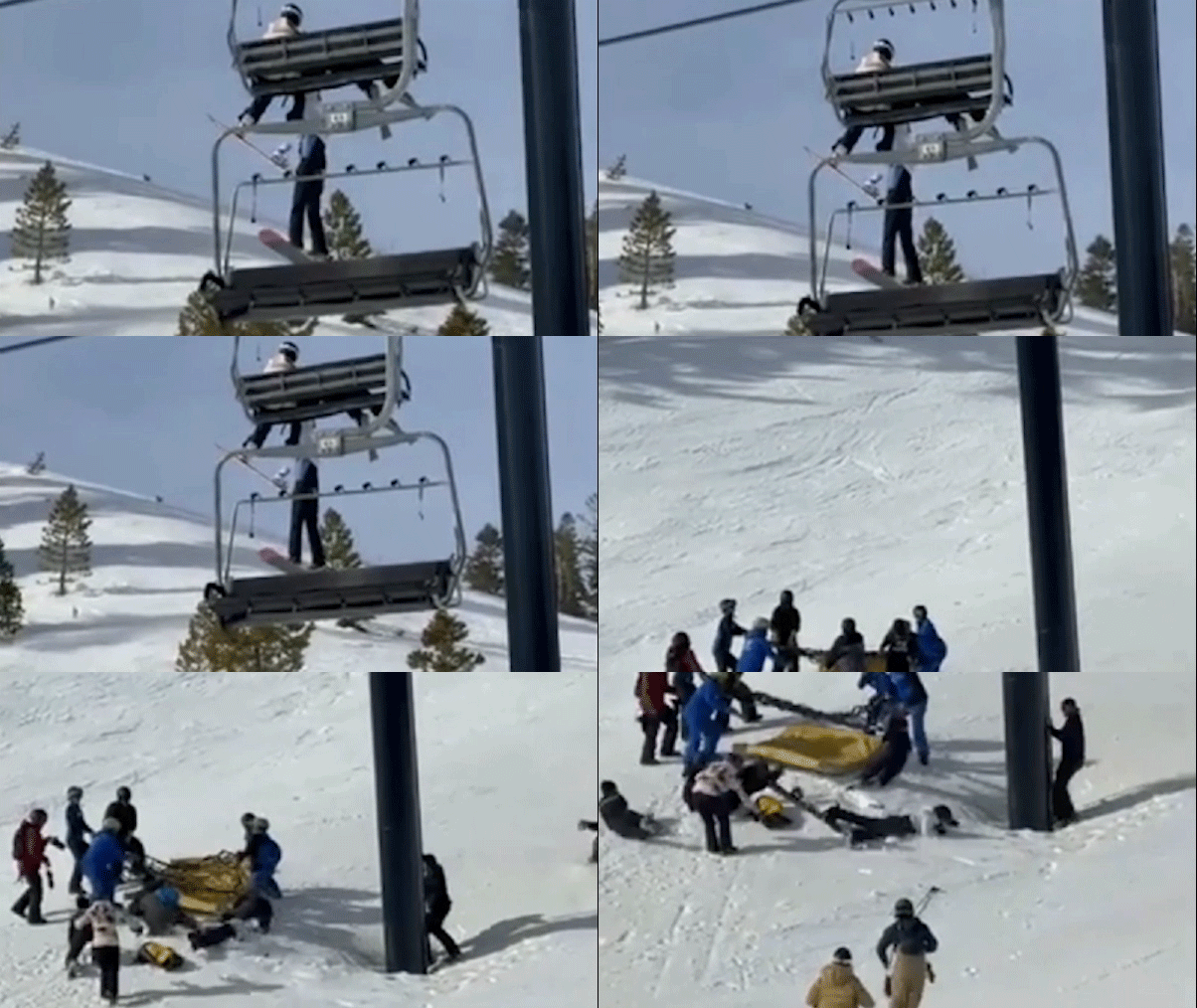
Imagine stepping onto a ski chairlift at a bustling resort on a crisp winter day, the air crisp with the promise of adventure, only for everything to unravel in a heartbeat. That’s exactly what happened to a 12-year-old girl visiting Mammoth Mountain Ski Resort in California last Saturday. The incident, captured in a jaw-dropping video that quickly went viral on social media, shows the sheer terror of a young snowboarder dangling from the chairlift before plunging to the ground. From the footage, it’s clear she was unsecured, her small hands gripping the seat desperately as her feet kicked wildly in the air, still strapped to her snowboard. As people watched in horror, the raw vulnerability of a child in such a precarious position struck a chord with viewers worldwide. This wasn’t just an accident; it was a moment that highlighted the fragility of leisure activities we take for granted. For the family, it must have been a parent’s worst nightmare, turning what should have been a fun outing into a terrifying ordeal. The video begins innocently enough, with the girl chatting excitedly, perhaps about the fresh powder or her first runs. Then, in an instant, the chair started moving, and she slipped down, unable to pull the safety bar. The rush of comments online reflected collective empathy—people worrying about her well-being, sharing similar stories of close calls on lifts. It’s heartbreaking to think of the adrenaline and fear coursing through her tiny frame as she clung on, the world blurring below. No child should have to face such danger, yet here she was, embodying the bravery of a kid who loves the thrill of snowsports. Staff responded quickly, but the human element shines through in the video: the girl’s wide eyes, the bystanders’ gasps, the palpable tension. This accident serves as a reminder of how quickly plans can change, and how one family’s ski trip turned into a story of survival and gratitude. We often idealize winter sports as safe and exhilarating, but incidents like this remind us of the real risks involved, urging us to appreciate the heroes who make them possible.
As the video unfolds, the intensity builds when mountain staff spring into action, rushing toward the lift with blankets and a hastily set safety net. You can almost feel the urgency in their movements, their faces etched with concern as they position themselves below, calling out instructions to guide the rescuers. The girl, still dangling, looked so small and helpless against the vast, snowy backdrop of Mammoth Mountain. It’s easy to imagine the chaos in her mind—the cold wind whipping around her, the height making everything feel surreal, like a bad dream she couldn’t wake from. Her snowboard, once a tool for fun, now a heavy weight pulling her down, strapped to feet that just wanted solid ground. In those agonizing seconds, the human instinct to hold on kicked in strongly; she gripped the chair with determination, her knuckles white, refusing to let go even as gravity beckoned. The staff’s efforts to improvise padding and netting spoke volumes about their training and quick thinking—people who’ve dedicated their careers to ensuring safety in a high-stakes environment. Yet, watching them scramble, you sense the humanity in their roles; they weren’t just workers but compassionate figures, like family members, doing everything to shield this child from harm. It’s a testament to the kindness of strangers, how in crisis, communities come together spontaneously. The girl’s flailing legs told a story of sheer willpower, a testament to her spirit despite the fright. Parents watching the video might reflect on their own children’s adventures, feeling a pang of guilt or worry for the “what ifs.” This moment of peril humanizes the dangers of winter sports, transforming a potential tragedy into a spotlight on courage and response. The staff’s swift actions echo the broader ethos of places like Mammoth, where safety protocols are paramount, yet accidents happen, reminding us all to cherish the joyful freedoms we seek on the slopes.
The climax approaches as the girl finally lets go or loses her grip, crashing to the ground and tragically missing most of the safety net. In the video, you see her body tumbling through the air, a blur of motion against the white snow, and then the impact—a dull thud that makes viewers wince. Rescuers freeze for a split second, their faces registering shock, before they surge forward in alarm, hearts pounding as they assess the damage. It’s a poignant reminder of the vulnerability of childhood, how a minor misstep can lead to such terrifying consequences. Imagine the rush of emotions: fear for her safety, relief as she stirs, and the immediate wave of medical checks. Pain must have flared through her young body, but miraculously, she emerged with no broken bones or major injuries, walking away from the ordeal stronger than expected. This resilience speaks to the incredible capacity of kids to bounce back, turning trauma into a story of triumph. For those on the scene, the seconds after must have felt like hours—the adrenaline slump, the questions racing through minds: What went wrong? How could this have been prevented? The mountain’s team, pillars of the community, embodied professionalism mixed with genuine care, their quick setup of the net a heroic attempt at mitigation. Viewers at home felt the collective exhale when her mother confirmed her health, but the video lingers, etching the image of a child fallen into our shared consciousness. It humanizes safety discussions around lift operations, prompting reflections on bar protocols and timely boarding. In skiing cultures, such incidents fuel debates about equipment and training, ensuring that future generations can enjoy the sport without the same dread. The girl’s crash, while scary, underscores the importance of community support, where strangers band together to offer comfort in the aftermath. This fall wasn’t just a physical drop; it was an emotional journey, one that tests the bonds of family and the goodwill of bystanders. Ultimately, it’s a call for empathy, to recognize the bravery in facing and overcoming such frights, learning from them to create safer adventures.
From the girl’s mother’s perspective, shared in heartfelt comments on the viral video, the incident was “incredibly traumatic,” yet she poured out thanks to everyone involved. Claiming to be the mother of this brave 12-year-old, she emphasized the “miraculous” outcome—no fractures, no severe damage—just sheer luck and timely intervention. Her words breathed life into the story, transforming a scary video into a narrative of gratitude and forgiveness. “The Mammoth team did their best to get to her as quickly as possible,” she wrote, highlighting the human effort behind the rescue. It’s touching to picture her, perhaps huddled with her daughter afterward, processing the fear while counting blessings. She addressed criticisms head-on, explaining that the safety bar slipped almost immediately, leaving no time for anyone to secure it. “We had no chance,” she said, stressing it was a “fluke accident” born of quick, small decisions, not fault. This defensiveness resonates with any parent; the guilt of questioning “what if I had done something differently” is universal. Yet, her message shifted to positivity, thanking the staff for their swift response and the community for their support. Her voice humanizes the ordeal, revealing a mother’s love—protective, resilient, and forgiving. Imagining her daughter’s recovery room conversations, filled with reassurances and cuddles, adds layers to the story. She shared how the group on the lift held onto the girl as long as possible, buying precious time for arrangements below. “We held on as long as we could,” she confessed, embodying parental instinct. This total support net underscores the power of teamwork in crises, from loved ones to strangers. Her story encourages empathy, showing how accidents, while random, foster bonds and gratitude. Despite the trauma, she vowed to ski again when ready, modeling strength for families everywhere. It’s a testament to enduring spirit, turning a fall into a lesson in kindness and perseverance.
Delving deeper into the dynamics on the lift, the video hinted at a group adventure—a family outing or friends’ trip—that could have gone so wrong. Sitting next to two others, the girl was surrounded by people who, according to her mother, held her desperately as the chair started its ascent prematurely. It’s incredibly human to picture those moments: hands reaching, voices shouting encouragements, the collective effort to keep her safe for just a bit longer. This extended reach wasn’t futile; it allowed staff below precious seconds to position the net and padding, potentially softening what could have been a worse landing. While it didn’t catch her entirely, the intention—the rush to help—reflects the innate goodness in people during emergencies. The mother’s account adds emotional depth: “As a mother, I know it is my job to protect my child. We held on as long as we could. Long enough to have people get into position to allow her to walk away.” These words tug at heartstrings, illustrating parental duty mingled with chaos. You can almost hear the frantic shouts, feel the grip slipping, the snow rustling beneath as rescuers positioned. This group effort turns the narrative from tragedy into triumph, emphasizing how quick actions and solidarity can mitigate disaster. For the girl, those clinging hands were lifelines, fueling her courage amid panic. It’s a reminder of how skiing, at its core, is a social activity, built on trust and mutual care. Parents reading this might think of their own outings, cherishing the bonds formed in hazardous pursuits. The incident prompts reflections on lift etiquette—always secure bars, check companions—yet praises the unsung heroes who intervene. In extending the summary, imagine the post-accident debrief: hugs exchanged, stories shared, perhaps a quiet relief over hot cocoa. The family’s resilience shines, with the mother affirming they’ll return to the slopes when her daughter is ready. This humanizes safety protocols, transforming them from rules into narratives of connection and recovery. Ultimately, it’s about finding light in darkness, where a fall teaches more than caution—it teaches community.
In wrapping up this heartrending tale, the family’s outlook offers a beacon of hope amidst the trauma. The girl’s mother, in her gracious comments, reassured that they won’t let this ordeal deter them from future skiing adventures, choosing instead to embrace the sport with renewed appreciation when readiness returns. This decision speaks volumes about human resilience—the ability to pick oneself up after a scare and face the thrill again, albeit with wiser eyes. For the 12-year-old, walking away unscathed must feel like a second chance, a miraculous gift that rebuilds confidence. Her story, shared through the viral video, has sparked widespread discussions on lift safety, prompting resorts like Mammoth to reflect on enhancements—perhaps better bar checks or passenger awareness campaigns. Yet, it’s the personal testament that resonates: no blame, just gratitude for the rapid response and communal support. Envisioning the girl now, perhaps recovering at home with sore muscles but an unyielding spirit, we see how such experiences forge character. Parents everywhere can draw inspiration, prioritizing safety while encouraging exploration, knowing that mishaps, though rare, are part of life’s tapestry. The incident, while frightening, humanizes the risks of outdoor pursuits, urging a balance between fun and prudence. Staff and responders emerge as everyday heroes, their actions a comforting reminder in uncertainty. Ultimately, this summary isn’t just about a fall; it’s a celebration of endurance, family bonds, and the kindness that helps us rise again. In expanding on the content, we recognize how one video can unite strangers in empathy, our shared humanity bridging the digital divide. For the girl and her family, skiing represents freedom regained, a testament to moving forward with hearts full of thanks and eyes wide open to the wonders—and warnings—of winter. This narrative encourages us all to humanize dangers, turning potential fears into stories of strength, ensuring that future slopes are kinder, and every lift a safer journey.