



Gen Z’s Political Paradox: When Entertainment Trumps Engagement
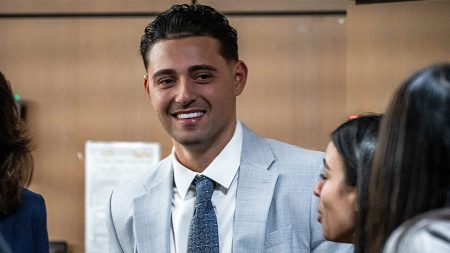
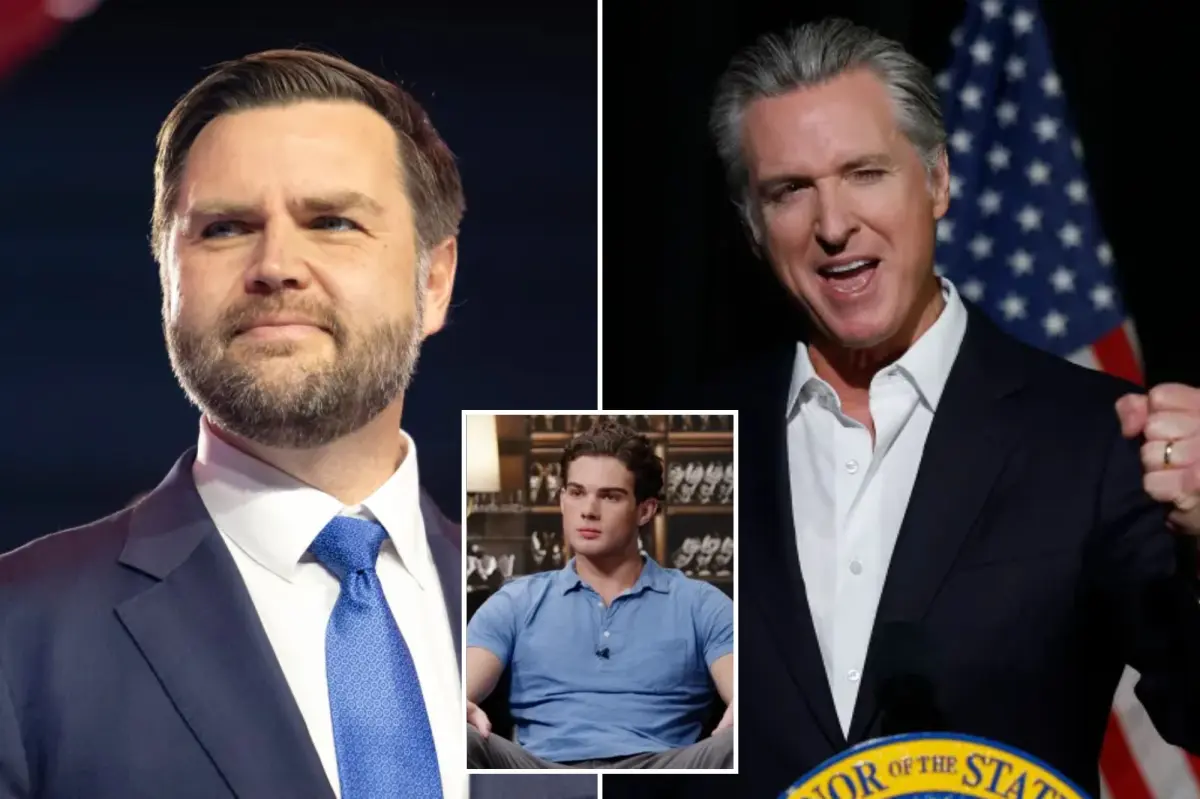
In an era where social media dominates youth culture, a troubling trend has emerged among Gen Z’s approach to politics. Rather than engaging with policy substance or ideological consistency, many young digital natives seem to view the political landscape as merely another form of entertainment—a concerning development for America’s civic future. This attitude was recently highlighted when social media influencer Clavicular (real name Braden Peters) declared that despite being pro-Trump, he would vote for Democrat Gavin Newsom over Republican JD Vance in a hypothetical presidential election based solely on physical appearance. The 20-year-old influencer, known for promoting “looksmaxxing” (extreme beauty enhancement techniques), dismissed Vance as “subhuman” and “fat” while praising Newsom as a “6’3″ Chad.” When pressed by a confused Michael Knowles to explain this contradictory position, Peters criticized Vance’s “facial width to height ratio” and claimed having a president who is overweight would be “embarrassing.” This superficial reasoning reveals a deeper problem: for many in Gen Z, politics has become less about substantive debate and more about aesthetics, entertainment, and ironic posturing.
This phenomenon isn’t isolated to Clavicular. Other prominent right-wing online personalities like Nick Fuentes and Sneako have echoed similar appearance-based judgments. Fuentes amplified the “Newsom mogs him” sentiment, while Sneako praised Newsom as a “total Chad” to his million-plus YouTube followers. Perhaps sensing an opportunity, Newsom himself seemed to lean into this attention by posting a decades-old photo of himself looking youthful and athletic with the caption “Happy new year patriots”—complete with what could only be described as an ironic wink to this new audience. This blurring of politics and internet culture creates a confusing landscape where sincerity is impossible to detect. Are these influencers genuinely advocating for voting decisions based on physical appearance, or is this merely another layer of irony in an already saturated online environment? The ambiguity itself represents the problem: a generation that has difficulty distinguishing between serious civic participation and meme-worthy content.
The consequences of this ironic detachment extend beyond influencer culture and into government institutions themselves. Recently, the Department of Homeland Security’s official X (formerly Twitter) account published a series of memes about the serious topics of deportation and immigration enforcement—suggesting this casual, internet-driven approach to politics has infiltrated even official channels. This generational ironic disregard appears to transcend traditional political divides. Take the case of former Congressman George Santos, who despite his extremely conservative voting record and controversial statements on issues like abortion (which he compared to slavery), maintains a surprising fanbase among left-leaning Gen Z women. Santos himself acknowledged this peculiar demographic support, speculating that his gay identity and perceived “authenticity” make him relatable despite policy positions that would typically alienate young progressive voters. The attraction seems to stem not from ideological alignment but from entertainment value—Santos as a character in the ongoing reality show of American politics rather than as a policymaker whose decisions impact real lives.
This treatment of politics as primarily entertainment explains why personality and aesthetics often trump policy substance for many young voters. When Clavicular suggests that Newsom’s physical appearance makes him more qualified for the presidency than Vance regardless of political positions, he exemplifies a worrying prioritization of style over substance. Similarly, when young progressives embrace Santos despite fundamentally disagreeing with his policy stances, they demonstrate how entertainment value and character appeal can override substantive political concerns. This mindset has been cultivated through years of social media consumption, where memes, ironic humor, and aesthetic judgments form the primary currency of online discourse. For a generation raised on TikTok, Instagram, and YouTube, where content is designed to entertain rather than inform, it’s perhaps unsurprising that these same values would transfer to their approach to civic engagement.
What makes this trend particularly concerning is that Gen Z has the most future ahead of them—and consequently, the most to gain or lose from political outcomes. Today’s policy decisions on issues like climate change, healthcare, economic inequality, and international relations will disproportionately impact younger Americans who will live with the consequences for decades to come. Yet paradoxically, many in this generation appear disconnected from the serious implications of these choices, preferring instead to view politics through an ironic, aesthetically-driven lens. This detachment isn’t uniform across the generation—many young activists are deeply engaged with substantive issues—but the growing influence of internet culture on political discourse threatens to normalize a superficial approach to civic responsibility that undermines democratic engagement.
The challenges facing American democracy require serious engagement from all citizens, particularly the younger generation who will inherit the future shaped by today’s decisions. While humor and irony have always played a role in political discourse, the reduction of politics to purely aesthetic judgments or entertainment value threatens to hollow out meaningful civic participation. When young influencers with millions of followers suggest that physical appearance should determine presidential fitness, they normalize a dangerously shallow approach to democracy. For Gen Z to effectively advocate for their interests and shape the world they’ll inherit, they must move beyond memes and ironic detachment to engage with the substance of policy debates. The stakes are too high for politics to be treated as just another form of internet entertainment. The time has come for this generation to recognize that while political engagement can be creative and even humorous, it ultimately requires serious consideration of how governance affects real lives. The future depends on their ability to put away childish things and embrace their responsibilities as citizens of a democracy that needs their authentic, substantive participation.