







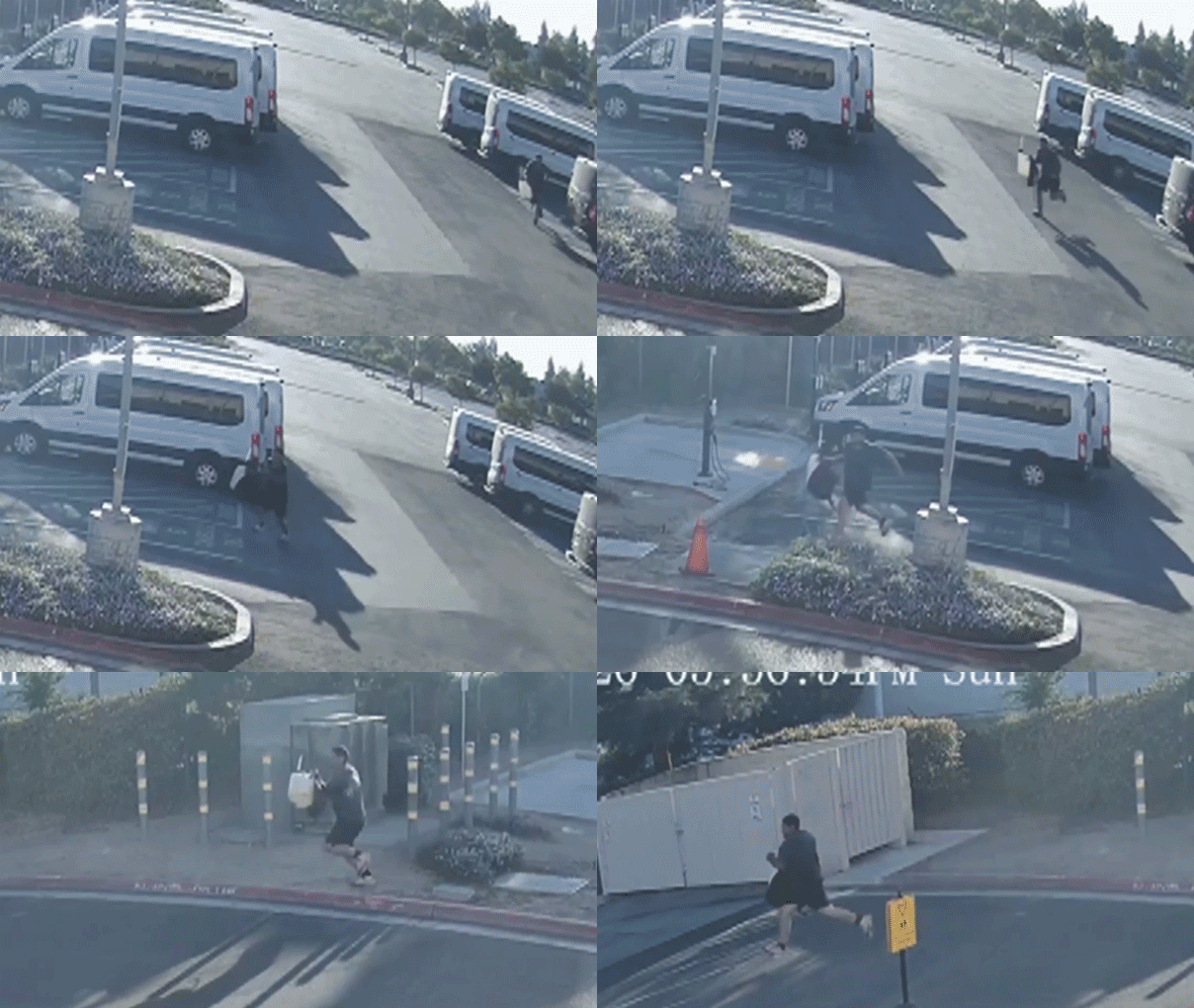
Imagine walking into a quiet, dedicated space where learning happens every day— a place called the Diamond Learning Center in Clovis, California, where close to 200 students with intellectual disabilities come to grow, learn, and feel safe. These kids depend on the stability of their routines, from pickup times to bus routes, to navigate their world. Now picture a brazen thief shattering that peace. On a Sunday evening around 5 p.m., surveillance cameras captured a man sneaking into a gated parking lot, like a shadow slipping through cracks in the system’s defenses. He wasn’t there by accident; he came equipped with multiple gas containers, clearly planning to steal fuel from the van that ferries these vulnerable students to and from home. This wasn’t just a crime—it felt deeply personal, an invasion into a community built on trust and care. Staff members, who pour their hearts into supporting these families, reacted with a mix of disbelief and anger. Senior director Isaac Jimenez described arriving to find oil splattered across the floor, a sign that the intruder had tampered with the vehicle in a careless, reckless way. The thief left two gas cans behind but fled with a large red one filled with stolen fuel—planned, not impulsive. It was like stealing from people who can’t always speak up for themselves, and it left everyone at the center reeling, wondering why someone would choose such a heartless act.
What’s striking is how ordinary these gas thefts might seem in a world where fuel prices fluctuate and desperation drives some to drastic measures. Police in Clovis confirmed filing a report early Monday for misdemeanor charges: vehicle tampering, trespassing, and theft, with the fuel valued at just about $40. But the video? It’s frustratingly unclear, making it tough for investigators to pinpoint the suspect. The fence was supposed to be a barrier, yet somehow, this guy got in—climbing over or finding a weak spot—and left minor damage in his wake. For a community already facing challenges, this incident underscores a broader truth: these crimes spike when gas prices soar, turning everyday frustrations into criminal opportunities. Yet, as a society, we have to recognize that no theft is small when it breaches a sanctuary like this learning center. It’s disappointing, as one officer put it, because it violates not just property but the sense of security that these students and families deserve. You can almost hear the exasperation in their voices—why target a place that’s all about helping others?
Diving deeper into the story, it becomes clear that the suspect appeared prepared, his actions calculated. He headed straight for the van, bags and containers in hand, ready to siphon more gas than he ended up taking. Witnesses and staff piecing it together later felt a chill; this guy wasn’t new to opportunism. Similar incidents, like teen mobs storming gas stations or repeat offenders caught in high-speed chases, remind us that while gas theft isn’t epidemic, it’s a symptom of bigger issues like economic strain or simple greed. In this case, the shoes on its feet were those of a troubling intrusion into a gated lot meant to protect. The center’s team, bound by duty, quickly sprang into action—reshuffling routes, delaying pickups, and scrambling to notify parents. It disrupted entire school days, throwing off the fragile balance for hundreds. Picture the parents’ worry, the staffs’ exhaustion from trying to calm everyone down. Jimenez didn’t mince words when talking to the outlet: “Don’t come back,” he warned the thief. “You got away with it once—you’re not going to get away with it again.” There’s a steely resolve in that statement, born from protecting not just property, but a community’s heart.
The human side of this hits hard when you consider the students’ experiences. For many with intellectual disabilities, routines are lifelines—predictable schedules help them feel grounded in a world that can feel overwhelming. A disrupted day means more than lost time; it derails focus, builds anxiety, and sets recovery back. Jimenez shared how tough it is to refocus them afterward, like resetting a delicate puzzle that’s been jostled. These kids aren’t just numbers; they’re individuals with dreams, challenges, and immense potential, and the theft indirectly stole a piece of their security. Staff members, who know each student by name and story, poured extra effort into recovering the day—reassuring parents, adjusting plans on the fly. It’s a reminder of the unsung heroes in special education, battling not just logistical chaos but emotional fallout. This incident amplifies the need for empathy in how we view these spaces; they’re not just schools, they’re havens where vulnerability meets compassion. In a broader sense, it echoes the pain of past theft sprees, like those repeat offenders nearing their umpteenth arrest, each crime chipping away at community trust.
From a law enforcement angle, the case stalled before it began—suspended due to unclear video and no leads. Yet, police urged anyone with information to step forward, emphasizing that even a petty theft under $900 can ripple into something deeper, especially when it involves breaking into secured areas. They painted a picture of prevention: lock those gas caps, park in well-lit spots, avoid temptation. Community safety officer Stepheny Price, who covers these stories, might say it’s about lifting up victims’ voices, from missing persons to migrant crime to everyday heartaches like this. Officials encourage tips—emailing Stepheny directly or contacting local police—to close the loop on such acts. It’s not just about catching a thief; it’s about sending a message that theft, no matter how “small,” erodes the fabric of places dedicated to growth and care. In an era where breaking news floods our feeds, stories like this humanize the headlines, showing how one person’s greed can unravel a web of dependability.
Ultimately, the Diamond Learning Center’s story isn’t just about a stolen tank of gas—it’s about resilience in the face of disruption. Staff are rallying, students are adapting, and the community is watching closely. Jimenez’s defiant words to the suspect linger like a promise: this place won’t be easy prey. As we absorb these unfolding events, it prompts reflection on our own safeguards and kindnesses. Whether you’re a parent, educator, or neighbor, incidents like this bridge the gap between news fodder and real lives touched. Police investigations carry on, and recommendations stand firm—secure what matters, protect the vulnerable. In the end, humanizing crimes like this means acknowledging the quiet strength of those rebuilding afterward, turning chaos into a call for better protection and unity. For more on such stories, following outlets like Fox News on X or signing up for breaking emails keeps us informed, but it’s the human element that truly connects us all. If you’ve got a tip, reach out—it could mean the difference for families holding their fragile routines together. This isn’t just another theft; it’s a testament to the enduring spirit of caregivers refusing to back down, one reconstructed day at a time.