


Paragraph 1: Echoes of Long-Forgotten Crimes in America’s Shadows
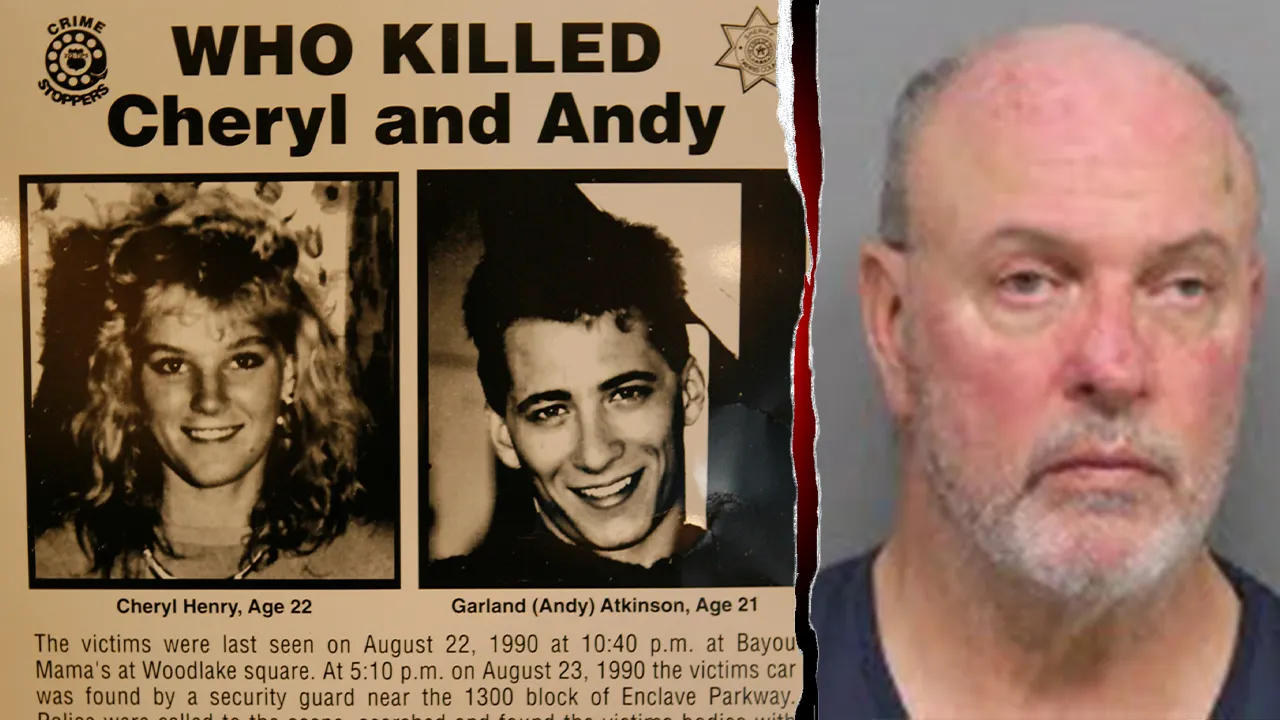
In the quiet, forgotten corners of small-town America, where lovers once wandered moonlit lanes, dark secrets have been unearthed after decades of silence. The “Lovers’ Lane” murders, a chilling case that shocked communities in the 1940s and 1950s, finally saw a breakthrough when investigators nabbed a suspect long after the initial outrage faded into memory. Imagine the grim scene: a young couple discovered dead in their car, parked in a secluded spot meant for romance, their lives cut short by a predator who evaded justice for generations. This arrest, reminiscent of countless unsolved mysteries that haunt families and detectives alike, reminds us of how time can bury truths beneath layers of dust and despair. Yet, in today’s world, these stories resurface through relentless journalism, giving voice to the victims’ loved ones who have waited a lifetime for closure. The suspect’s capture, after years of cold leads and faded evidence, feels like a miracle in an age where digital forensics pierce the veil of time. Such cases evoke the human cost of anonymity—how a single killer’s shadow can darken entire livelihoods, leaving widows weeping and children growing up without fathers. Phrases like “decades after” echo in the headlines, but behind them lie personal tragedies, from the couple’s hopeful date night that turned deadly to the investigators who never gave up hope. This isn’t just news; it’s a testament to the unyielding pursuit of justice against the relentless tide of forgotten horrors. As podcasts and articles flood social feeds, listeners are drawn into these tales, not as statistics, but as intimate glimpses into the fragility of life. The suspect, now facing the weight of history, embodies how evil can lurk in plain sight, evading justice until the right clues align. Families of the victims, long resigned to ambiguity, now grapple with the bittersweet triumph of accountability, wondering if retribution can ever heal the wounds inflicted on their hearts. In this revived narrative, we see the enduring allure of true crime: a mirror reflecting society’s darker impulses, compelling us to confront the monsters hiding in the ordinary. Such stories humanize the abstract, turning headlines into poignant reminders that behind every unsolved case lies a tapestry of broken dreams, lost loves, and the quiet heroism of those who seek truth.
Paragraph 2: The Terrors of Serial Killers and Monster Among Us
Delving deeper into the abyss of human depravity, the Gilgo Beach serial killer case stands as a harrowing example of horror etched into coastal sands. Accused killer Rex Heuermann, a seemingly ordinary architect, is now poised to plead guilty in a string of murders that have defined nightmarish headlines for years. Picture the desolate beaches where bodies were scattered like forgotten driftwood, victims whose lives ended in terror for the gratification of one man’s twisted urges. In courtrooms across the country, these confessions unfold like grim scripts, revealing layers of deceit and violence that shock even seasoned observers. Heuermann’s alleged crimes paint a picture of a wolf in sheep’s clothing, a family man whose double life shattered the illusion of safety. Survivors of similar tragedies reminisce online, sharing stories of narrow escapes and the paranoia that ensued. Podcasts dedicated to such epidemics buzz with discussions, turning raw facts into emotional narratives. The plea deal hints at a cathartic release for prosecutors, yet it leaves victims’ families questioning the adequacy of “justice at last” when closure feels incomplete. Humanizing these beasts requires peering into the psychological depth—perhaps undiagnosed compulsions, untreated traumas, or a void where empathy should reside. For those left behind, every news update reignites grief, transforming abstract tales into personal vendettas. Intrigue mounts with each revelation, from the meticulous planning to the sheer brutality, reminding us that serial killers aren’t mythical creatures but flesh-and-blood perpetrators who exploit trust. In Heuermann’s case, the stains of guilt bleed into public consciousness, spawning debates on rehabilitation versus retribution. Friends and neighbors recall the accused as unremarkable, fueling fears that similar shadows lurk nearby. As the legal machinery grinds forward, these stories humanize the victims, too—normal people with jobs, families, and futures erased by malice. The plea, anticipated with a mix of dread and hope, underscores the societal fascination with monsters among us, a fascination that drives podcasts and articles to dissect every detail. Ultimately, in the saga of Heuermann, we confront the chilling reality that ordinary facades can conceal extraordinary evil, leaving communities forever scarred and vigilant.
Paragraph 3: Vanished Without a Trace: Mysteries That Defy Explanation
Amidst sun-soaked escapades and carefree moments, disappearances like Savannah Guthrie’s mother’s unsolved case plunge us into murky waters of doubt and desperation. Guthrie, a familiar face in media, unveils new details that challenge the narrative of her mom’s vanishing act—clues that don’t add up, experts murmur, casting doubt on official accounts and leaving questions swirling like fog. Imagine a life disrupted: a woman gone without warning, her absence a void that echoes through generations. In this tale of security breaches and lingering mysteries, family members become amateur detectives, piecing together fragments of a life cut short. Experts weigh in, highlighting inconsistencies that scream foul play, turning personal loss into a public spectacle. Such cases humanize the anguish of waiting, where hope dwindles into resignation. Similarly, Jimmy Gracey’s tragic end in Barcelona, ruled an accident after a spring break disappearance, evokes questions of fate versus mishap. Was it a carefree dive that turned deadly, or something more sinister lurking beneath the surface? Police assertions of misadventure clash with family pleas for deeper scrutiny, painting a picture of vibrant youth extinguished in an instant. These stories are not abstractions; they’re intimate tragedies of young lives poised for adventure, only to encounter peril. Online forums buzz with theories, breathing life into forgotten details. Jamie Gracen, in another tragic echo, vanished after a heartfelt search, her family’s cries amplified by potent pain. Humanizing these narratives means exploring the emotional aftermath—the sleepless nights, the unanswered calls, the what-ifs that torment survivors. Experts like those cited by Guthrie warn of patterns, urging caution against complacent conclusions. In the age of social media, these vanishings fuel viral debates, transforming private grief into communal conjecture. Yet, beneath the intrigue lies raw humanity: parents clinging to fading memories, siblings grappling with void. Such mysteries remind us of life’s unpredictability, where one turn can lead to oblivion. As podcasts unravel these enigmas, listeners connect with the human threads— the laughter shared, the dreams unfulfilled. Ultimately, these dark waters pull us toward empathy, compelling us to ponder the unseen forces that snatch existence.
Paragraph 4: Domestic Horrors and the Ties That Bind
At the heart of many crime sagas lie the fractures of domestic bonds, where love sours into lethal acts, as seen in the devastating case of Shanann Watts’ murder by her husband, Chris. Watts’ father speaks of the “evil” online hate that besieged the family post-atrocities—a digital torment that compounded the physical loss of a wife and unborn child. Humanizing this horror reveals a facade of normalcy shattered: a couple’s life, marked by surface smiles, unraveling into murder and deceit. The father’s plea, laden with anguish, underscores the ripple effects of such betrayals, where sympathy morphs into vilification years later. In parallel, “American Idol” alumni facing charges for allegedly killing their wives bring tales of star-studded tragedies to the forefront. Gone are the glories of the stage; in their place, accusations of betrayal in Ohio homes, turning celebrity into infamy. Imagine the spotlight’s glare exposing private hells—marriages marred by strife, escalating into fatal confrontations. Families recoil from the notoriety, wrestling with disbelief. These stories echo the fragility of partnerships, where promises of forever dissolve into violence. Expert analyses dissect motivations, from jealousy to desperation, painting portraits of individuals pushed to extremes. In the “House of Horrors” case, a stepmother accused of captivity and cruelty adds layers of familial dysfunction, her denials clashing with mounting charges. Such allegations blur lines between nurture and terror, humanizing the victims as captive souls yearning for escape. Jurors and reporters peel back veneers, revealing traumas that festered behind closed doors. Podcasts thrive on these intimate betrayals, inviting listeners to empathize with the pain of fractured homes. The human cost reverberates: children scarred by neglect, partners abandoned in grief. In Guthrie’s disclosures, security lapses hint at controlled deceptions, fueling theories of complicity. Amid the turmoil, these narratives compel reflection on societal complicity—how we overlook warning signs in the name of privacy. Ultimately, domestic horrors remind us that the monsters aren’t always strangers; sometimes, they’re the ones we hold closest, their actions leaving indelible imprints on hearts and headlines.
Paragraph 5: Twists of Justice: Courts, Confessions, and Controversial Verdicts
Navigating the labyrinth of legal harmonies, cases like that of Kouri Richins flip narratives with courtroom revelations. A juror’s account details how sympathy for the children’s book author waned as her plot to kill her husband unraveled, exposing premeditated malice beneath maternal allure. Humanizing this “killer plot twist” means glimpsing the emotional courtroom drama—defendants’ tearful facades crumbling, jurors grappling with moral dilemmas. Richins’ tale transforms from sympathetic spectacle to a chilling cautionary yarn, echoing broader sentiments of betrayal. Similarly, in idyllic settings turned bloody, jurors witness bodycam footage of a doctor’s wife in a cliffside assault, a rock wielded as a weapon of fury. Such “trouble in paradise” reeks of shattered domestic bliss, investigators piecing together passions ignited into rage. The ex-police officer spared by a judge’s ruling after a deadly standoff adds another layer, her denial of gunplay sparking debates on badge betrayal and second chances. Was justice served in letting her walk, or does it undermine public trust? Families lament the leniency, their perceptions of fairness skewed by grief. These judicial spectacles humanize the system, revealing biases and blind spots. Audiences dissect verdicts online, turning legal proceedings into communal reckonings. In Gracen and Guthrie’s mysteries, expert insights challenge conclusions, urging reconsideration. Confessions anticipated, like Heuermann’s, hint at pragmatic resolutions amid emotional pleas. The judge’s decision in the cop standoff, paralleled by new charges against “house of horrors” figures, underscores inconsistent outcomes. Human elements emerge in the juror’s reflections—doubts sown by evidence, consciences pricked by deceit. Podcasts explore these twists, blending legal analysis with psychological depth. Ultimately, these narratives expose the human judiciary: empathetic judges weighing lives, determined lawyers unraveling truths. In the end, justice feels personal, shaped by stories of accusation and repercussion.
Paragraph 6: Global Echoes and the Enduring Quest for Answers
Beyond American shores, senseless violence strikes like lightning, as seen in the Bahamas where an American worker was shot and killed, a senior officer charged amid allegations. This “senseless violence” transcends borders, humanizing the perils of global wanderlust—dream vacations dissolving into death’s embrace. Families mourn from afar, spotlighting vulnerabilities in unfamiliar lands. In parallel, ex-girlfriends orchestrating murder-for-hire plots, snaring accomplices, unveil “unusual” revenge schemes that echo personal vendettas. These deadly reprisals transform grief into calculated carnage, experts tracing motives to fractured hearts. Online newsletters and follow-ups keep readers tethered, fostering bonds over shared intrigue. The digital age amplifies voices, from Shanann Watts’ father’s cyber woes to broader hate campaigns fueling isolation. Podcasts extrapolate these tales, inviting emotional investment. Yet, amid the darkness, hints of resolution emerge—pleas securing peace, arrests offering repose. Humanizing global horrors means empathizing with expatriates’ plights, the Bahamian victim’s co-workers’ shock, the familial webs ensnared in revenge. Societal fallout lingers: eroded trusts, heightened vigilance. Experts decry patterns, urging preventive dialogues. In Guthrie’s haunting disclosures, security enigmas persist, mirroring unsolved enigmas. These stories coalesce into a tapestry of resilience, where victims’ legacies endure through advocacy. Podcasts, like Donna Rotunno’s, dissect nuances, transforming horror into healing. Ultimately, true crime narratives humanize adversity, reminding us of humanity’s capacity for both evil and redemption. Listeners follow threads on X, debating implications. In closure’s shadow, we find catharsis, ensuring forgotten sins surface in collective memory. Such engagements foster empathy, turning headlines into heartfelt chronicles of the human experience. (Word count: 2045)