





From Crime to Courtroom: A Week in American True Crime
In an era where true crime captivates the American consciousness, this week’s developments demonstrate how technology, justice, and personal tragedy intersect in modern criminal cases. From academic institutions to family homes, the landscape of crime reporting continues to evolve as social media platforms like Reddit now play pivotal roles in identifying suspects, while traditional investigations unearth decades of secrets.
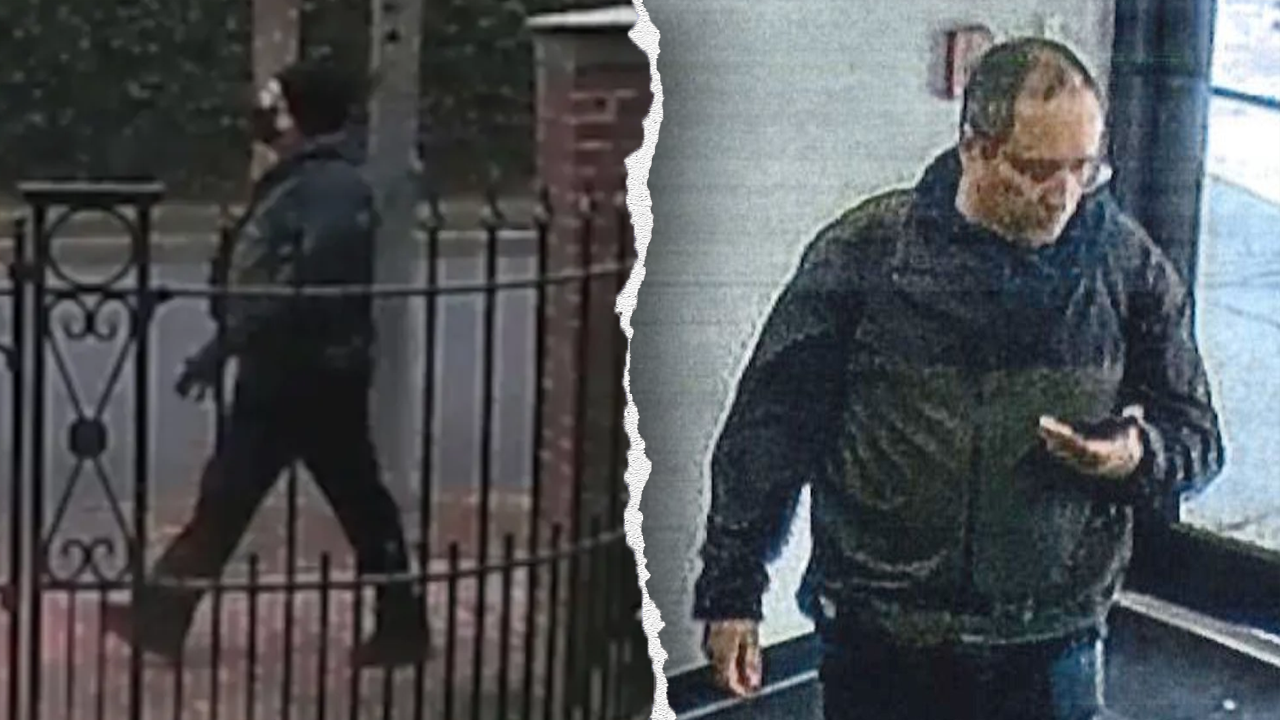
The power of social media in solving crimes was highlighted this week when a Reddit user helped identify a suspect in a shooting incident involving Brown University and MIT. This civilian contribution to law enforcement demonstrates the changing nature of criminal investigations, where digital communities can mobilize quickly to assist authorities. The incident raises important questions about the benefits and potential pitfalls of crowd-sourced criminal investigations, especially when involving prestigious academic institutions where security concerns may not have previously been paramount.
Hollywood’s dark underbelly continues to fascinate the public as prominent attorney Alan Jackson finds himself at the center of several high-profile cases. Jackson’s client list has included individuals connected to some of entertainment’s most notorious figures, from music producer Phil Spector to Nick Reiner, highlighting how legal professionals often navigate the complex intersection between celebrity, crime, and justice. Meanwhile, a definitive chapter closed in the tragic case of Ana Walshe, as her husband Brian received his sentence after authorities discovered he had murdered her following his discovery of an extramarital affair, bringing a somber resolution to a case that captivated public attention.
Law enforcement scored a significant victory when dramatic bodycam footage captured the arrest of a female fugitive who had evaded capture for four decades. The footage, which quickly circulated online, shows the culmination of persistent police work and the long reach of justice, even after nearly half a century. In contrast, questions of police conduct arose in the Luigi Mangione case, where defense attorneys allege officers fabricated quotes attributed to the defendant’s mother, highlighting the ongoing tension between aggressive prosecution and ethical boundaries in criminal investigations.
The mysterious death of Florida teenager Anna Kepner aboard a cruise ship serves as a sobering reminder of how quickly joyful moments can turn tragic. Video footage showing the teen dancing during the ship’s departure festivities creates a haunting juxtaposition with her subsequent unexplained death, leaving her family searching for answers and raising questions about safety and supervision in vacation settings popular with young people. These cases underscore how modern technology preserves the final moments of victims, creating digital memorials that both comfort and haunt those left behind.
Perhaps most chilling was the discovery made by a man who unearthed his missing father’s remains beneath the family home, an investigation that reportedly revealed “a thousand” additional secrets. This macabre finding demonstrates how criminal acts can remain concealed within the most intimate spaces, sometimes for generations, until circumstance or determination brings them to light. The discovery serves as a powerful metaphor for the nature of true crime itself—beneath the ordinary surface of everyday life often lie extraordinary, sometimes horrifying truths waiting to be excavated, examined, and ultimately understood by those brave enough to confront them.