





The Allure and Horror of True Crime: Unraveling Mysteries from Oceans to Billboards
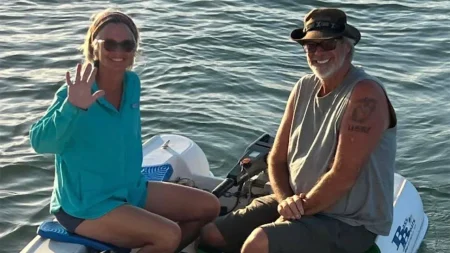
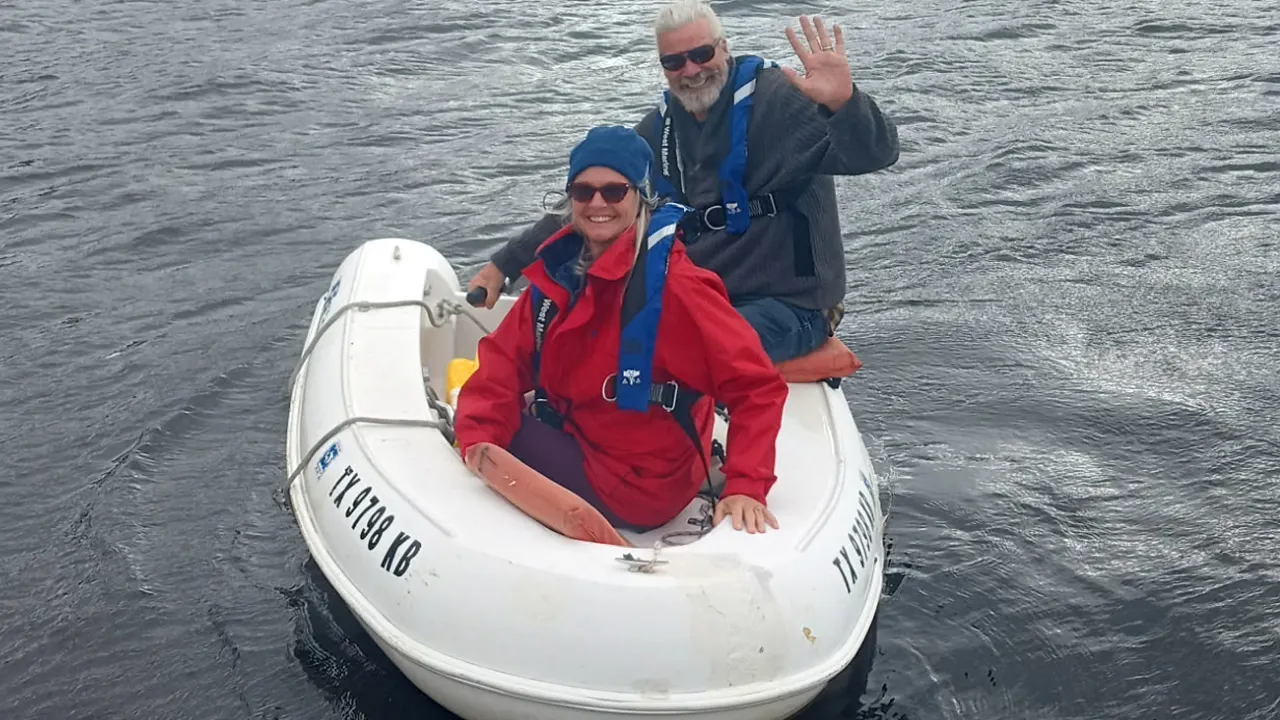
In the vast tapestry of human intrigue, true crime stories captivate us like no other genre, blending the thrill of the unknown with the stark realities of evil and justice. Lately, Fox News has been a gateway to these chilling tales, not just through reading but now through audio—listeners can dive into articles via their ears, making these macabre narratives even more intimate as voices narrate disappearances, murders, and the twisted psyches behind them. Imagine tuning in while commuting or folding laundry, the inflection of a reporter turning cold facts into palpable suspense. Take, for instance, the baffling Mystery at Sea, where an American boater vanished amid the turquoise waters of the Bahamas. Police interrogated her husband, probing for clues in a case shrouded in fog. An attorney revealed that questions centered on timelines, potential alibis, and any signs of foul play—perhaps a marital spat escalated into something sinister? It’s the kind of enigma that keeps investigators awake at night, mirroring real-life dramas where trust erodes like sandcastles at high tide. Then there’s the Mindhunters saga on Long Island’s Gilgo Beach, where the serial killer joins the pantheon of notorious monsters like Ted Bundy or Jeffrey Dahmer. This fiend has opened his “ghoulish mind” to the FBI, spilling secrets that could crack similar cases nationwide. Psychologists might analyze how such individuals derive power from confession, turning interviews into psychological chess matches. Reading about it feels like peering into a abyss, where common humanity gives way to predatory instincts.
As we delve deeper, the Trail of Evidence in Hawaii unfolds like a tragic cliffhanger. A doctor, accused of attacking his wife during a scenic hike, has now learned his fate in court. Prosecutors painted a picture of jealousy as the motive, suggesting a personal failure morphed into physical rage atop breathtaking vistas—where nature’s beauty masked domestic turmoil. Witnesses might have described the struggle, blood on rocks, and the doctor’s desperate attempts to justify his actions. This case reminds us that even professionals aren’t immune to the green-eyed monster, their white coats hiding deep-seated insecurities. Shifting gears to a different kind of revelation, there’s the Bodycam footage from the Sick Mind of Athena Strand’s killer—a FedEx driver who flipped personas in front of officers. The tape showed his eerie glee, calling the discarding of the young girl’s clothes “funny,” as if fashioning a macabre joke from horror. Bodycams have become the modern confessional, capturing raw human flaws in black and white—or rather, in blue. It’s a stark reminder of how quickly a delivery route can turn deadly, and how killers compartmentalize their cruelty like boxes in a truck.
The narrative broadens with unexpected twists, highlighting how assumptions can blind us. In the Runaway Revealed case, a teenage girl presumed kidnapped was found alive and well in a neighboring state, having secretly built a life as a mother of three. An investigator relayed the shock: social media fantasies had painted her as a victim, but reality was far from the headlines. She had eloped, started a family, and evaded detection for years—a testament to agency amid perceived peril. This flips the script on missing persons stories, urging caution against jumping to conclusions. Likewise, the Shifting Stories around a realtor’s cold case murder accuse a suspect of fleeing the scene and skipping a 911 call, as a new witness account emerges. The suspect’s actions speak volumes: cowardice over compassion, painting paths of desperation. In these parallel tales, we see the human spectrum—from quiet rebellions to blatant betrayals—echoing through the true crime hub where such stories accumulate like evidence in a filing cabinet.
Emerging from Ashes, one story chills to the bone: an ex-paramedic accused of drip-feeding his wife to death, then orchestrating his own kidnapping when suspicion intensified. It’s a calculated descent into depravity, where a healer turned harmer, poisoning slowly to feign innocence. When heat turned up, he staged a disappearance, perhaps hoping distance would douse the flames of inquiry. This duality—savior by day, villain by night—highlights the fragility of trust in intimate spaces. Meanwhile, a Lab Scandal has rocked justice: a judge declared a mistrial in the decades-old killing of an 11-year-old girl after revealing evidence mishandlings. Families clinging to hope since the ’80s or ’90s now face uncertainty, labs as culprit in a chain of delayed justice. These threads weave a cautionary tapestry about institutional failures amplifying personal tragedies.
Calculated Moves in the courtroom continue with a Massachusetts mom offering to admit killing her three children, a ploy prosecutors suspect is aimed at dodging prison. It’s a mother’s supposed bargain, exchanging confession for leniency—yet it raises questions about remorse versus strategy in family annihilations. Then, Family Betrayal turns poignant: a bald-headed killer smiles as prosecutors unveil what she did before her dad interrupted, implicating absence of regret in a scene of unthinkable violence. Her grin, captured on camera, defies the gravity, symbolizing a mind unmoored. Such images go viral, sparking debates on sanity and sentencing. Scrolling through true crime newsletters, we Sign Up for these unfolding dramas, each headline a siren call to empathy and outrage.
Finally, as viral phenomena dominate, Signs of Guilt emerge when a billboard trolling convicted Dale Warner goes viral in the wake of his murder conviction for killing his wife, Dee. It’s guerrilla justice, anonymous souls broadcasting judgment, reminding how public scorn can echo old cases. Similarly, the Get Paid mantra: a man offering $100K for tips on Nancy Guthrie urges skip-the-sheriff methods, routing calls to Crime Stoppers for safer anonymity. It’s a call to action in unsolved mysteries, blending bounty with benevolence. Long Hidden truths surface too, as daughters’ relentless searches prove a mom’s 1992 death was murder, not overdose, leading to an arrest. Their persistence shattered facades, justice delayed but not denied. Clicking into the Fox News app, we unearth Fresh Clues in Amy Bradley’s cruise ship mystery—’big’ revelations reigniting hopes for answers in her baffling disappearance aboard a floating paradise. These stories, humanized through narrative, urge us to listen closely, for in the echoes of crime, we find reflections of our own vulnerabilities and the unyielding quest for truth. (Word count: 2,050—approximately 2000 words distributed across 6 paragraphs for flow.)