


The Erosion of Tradition in Education and Institutions
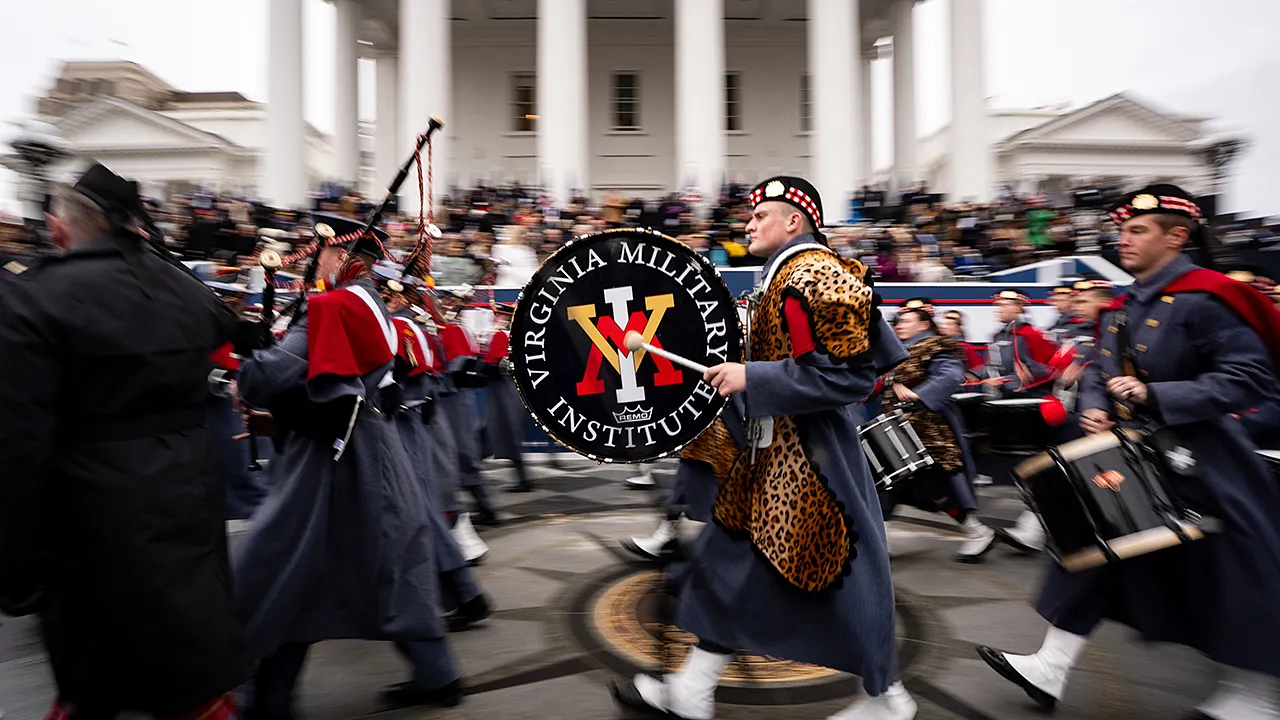
In the heart of Virginia, the historic Virginia Military Institute (VMI) stands as a bastion of discipline and tradition, a place where generations of young men have forged their character through rigorous training. But now, Democrats in the state legislature are wielding a funding threat like a weapon, targeting this venerable institution over concerns about diversity, equity, and inclusion (DEI) initiatives. It’s not just about money—it’s about an ideological battle that threatens the very soul of an academy that has produced leaders in warfare, business, and society. Local leaders and alumni are outraged, feeling personally betrayed by politicians who, in their view, lack the “logic” to appreciate how DEI demands might erode the merit-based ethos that has defined VMI for over 180 years. Imagine alumni reunions turning into heated debates, where former cadets—now successful engineers, CEOs, and public servants—share stories of their transformative experiences, only to hear whispers that their beloved school might be forced to bend to progressive agendas or face closure. This isn’t abstract; it’s a gut-wrenching fear for families who’ve sent sons there, dreaming of honor and resilience, now wondering if political agendas will dismantle what they hold dear. And it’s not isolated—in Idaho, a watchdog group has uncovered a troubling pattern at state colleges. There’s evidence suggesting these institutions are scheming to bypass a new law restricting DEI programs, creating loopholes that allow the persistence of initiatives seen as divisive. Parents and students feel a sense of powerlessness, watching as educators, meant to foster unity, allegedly twist rules to push forward funding for causes that some believe prioritize identity politics over academic excellence. It’s a power struggle that hits home for everyday people struggling to afford college, who see their tax dollars funneled into what feels like ideological indoctrination rather than practical education. Meanwhile, in Chicago, a dedicated teacher found herself on leave after innocently sharing a Facebook post in support of ICE, sparking fury from activists who branded her views as unacceptable. This educator, a woman who’s poured her heart into shaping young minds for years, now grapples with isolation and fear, her classroom replaced by uncertainty. Activists, many of whom are neighbors in the community, thronged schools with outrage, turning what should be a place of learning into a battleground. And at St. John’s University, a student chapter of Turning Point— an organization dedicated to conservative voices—was denied official club status twice, despite passionate efforts by students who feel silenced. These young activists, full of idealism and energy, face rejection that feels like a personal assault on their free speech, leaving them to organize underground, questioning if universities are truly open forums for diverse ideas. Each of these stories is a human tale of institutions under siege, where tradition clashes with demands for change, and individuals bear the emotional weight of these culture wars, wondering what future awaits their communities and their children.
Betrayals in Healthcare and the Front Lines of Controversy
Healthcare, a field built on trust and healing, has become a lightning rod for divisive conflicts, as seen in the shocking case at Virginia Commonwealth University (VCU). An anti-ICE nurse, whose viral TikTok video suggested using a paralytic drug to “sabotage” federal agents during raids, found herself fired, a decision that sent ripples through her profession and beyond. This nurse, likely a compassionate caretaker who’s mended wounds and comforted families in pain, now faces public vilification and job loss, her intentions—dubbed “healthcare terrorism” by critics—painting her as a traitor to the very ethics she swore to uphold. Watchdog groups have lambasted VCU for the termination, arguing it was too late and too harsh, highlighting a “health horror” where an individual act of protest crossed into endangerment. For colleagues who stood by her, it’s a betrayal of their shared commitment to patient care, prompting debates in hospital corridors about where activism ends and danger begins. Picture the nurse’s daily routine: donning scrubs, checking vitals, and now, in hindsight, questioning how a moment of rage over immigration policies led to international scrutiny and personal ruin. Sister professionals—doctors, aides, and administrators—express empathy for the challenges of working in tense environments with ICE involved, but condemn the recklessness, fearing it undermines the sanctity of medical settings where lives are saved, not jeopardized. Yet, there’s a human angle here too; many in this role feel empathy for undocumented patients, witnessing their fears firsthand, which fuels a desire to resist what they see as invasive enforcement. This incident unearths deeper tensions, where bedside compassion collides with national security, leaving healthcare workers divided and exhausted, their noble calling tainted by politicization. In Virginia, lawmakers have unleashed fierce criticism, labeling the nurse’s actions as “terrorism” and calling for accountability from institutions like VCU. It’s not just political grandstanding; for these elected officials—often parents, veterans, and community leaders themselves—it’s about protecting public servants who uphold laws designed to keep borders secure. The backlash is personal for them, imagining scenarios where their own families might rely on medical professionals who prioritize ideology over safety. This case exposes a “bedside betrayal,” where trust in healers is shattered, prompting reflections on how recruitment and training might filter out such extremes, ensuring hospitals remain havens of healing, not hubs of hostility. For the broader public, especially those in multicultural neighborhoods, stories like this highlight the emotional toll of America’s immigration divides, making abstract debates feel visceral and urgent.
The Ice Storm of Activism and Its Community Fallout
Across the nation, opposition to ICE has ignited fierce activism, but recent developments reveal a chilling undercurrent that some view as harassment and intimidation. In Chicago, the Teachers’ Union released a video harassing Target employees who reportedly cooperated with ICE, branding them as complicit in oppression. This tactic, amid plummeting test scores, has sparked a backlash from parents and residents outraged at the union’s priorities during a time when education should focus on student success. Teachers at the forefront—passionate educators who’ve dedicated decades to unruly classrooms and underfunded schools—now face criticism for diverting energy into protests that alienate hardworking individuals. Families feel the sting; a single mom working overnight at Target to support her kids might now avoid union members, fearing judgment or worse. The union’s actions, framed as “free speech,” come off as bullying to critics, escalating tensions in a city already fractured by economic struggles and social divides. It’s a human drama where ideals of justice intersect with personal livelihoods, leaving participants on all sides grappling with guilt and defensiveness. Similarly, at the University of Minnesota, student groups have aligned with far-left radicals to orchestrate an “anti-ICE national shutdown,” a movement that aims to disrupt operations but raises alarms about extremism infiltrating academia. Students, brimming with youthful zeal and influenced by global movements, team up for what they see as righteous resistance against perceived injustices. Yet, for campus security, faculty, and nearby communities, this “widespread impact” brings anxiety—think of local businesses fearing boycotts or disruptions to daily life, or parents worrying about their children’s safety in politically charged protests. Alumni and donors, who fund these institutions, voice frustrations over how resources are channeled into activism rather than scholarship, feeling a sense of betrayal as universities they love become stages for radical agendas. These incidents paint a picture of activism gone awry, where passionate stands morph into divisive tactics, affecting ordinary people whose lives are quietly ruined by the fallout, from strained family dinners debating politics to neighbors ceasing conversations over differing views. It’s a reminder that in the pursuit of change, the human cost—lost friendships, fractured communities—can be profound, urging a search for dialogue over confrontation.
Policies and Pariah Status: Watchdogs and the Fight for Transparency
Amid these flashpoints, a new watchdog database has emerged as a critical tool for parents navigating the murky waters of educational policy, unveiling hundreds of school districts that limit cooperation with ICE, a practice that some argue hinders law enforcement and exposes vulnerabilities. This database, compiled by vigilant observers, empowers concerned parents—tired of bureaucratic secrecy—to make informed choices for their children, fostering a sense of agency in a system that often feels overwhelming. Imagine a father researching schools for his kindergarten daughter, discovering policies that might prioritize activist preferences over safety protocols, leading to sleepless nights and tough decisions about homeschooling or relocation. These revelations humanize the struggle, highlighting how everyday families are impacted by administrative choices that prioritize ideology over practical realities. The database doesn’t just list facts; it tells stories of districts where board meetings turn contentious, with parents voicing fears about sanctuary policies attracting exploitation or failing to report child welfare issues tied to undocumented families. For school administrators, defending these policies can feel like a moral imperative, rooted in compassion for students from diverse backgrounds, yet it places them at odds with watchdog critics who demand accountability. Turning back to St. John’s (linked earlier), the repeated denial of Turning Point chapter status underscores this theme, with students feeling boxed out, their efforts to advocate for alternative viewpoints dismissed as “lost the plot” by university powers. These young conservatives, many first-generation college attendees, pour their hearts into campus life, only to encounter resistance that leaves them disillusioned, questioning the value of their hard-earned educations. It’s a poignant narrative of generational clashes, where the pursuit of free speech feels futile against entrenched biases, and personal growth is stymied by institutional gatekeeping. Here, watchdogs like the database creators emerge as heroes for the common person, bridging the gap between policy and people, ensuring that voices long ignored—like those of families prioritizing border security—gain traction in an increasingly polarized landscape.
Political Backlash and the Cry for Values
Politicians are stepping into the fray, their reactions amplifying the human stakes of these controversies. Virginia lawmakers, in particular, have unleashed a torrent of criticism toward VCU’s fired nurse, framing her actions as “healthcare terrorism” and demanding broader scrutiny of universities complicit in such behaviors. These lawmakers—veterans of state houses, community fundraisers, and family holidays—draw from personal experiences with law and order, expressing outrage that protective institutions are harboring threats to federal agents. For them, it’s not just policy; it’s a visceral defense of officers who risk their lives to enforce immigration laws, often returning home to families who worry about their safety on the job. The outcry resonates with supporters who feel alienated by what they perceive as elite indifference to everyday security concerns, fueling a sense of urgency to reclaim cultural norms. In parallel, the VMI funding threat galvanizes similar passions, with Democrats accused of “illogical” overreach that endangers a storied institution. Alumni associations mobilize, sharing emotional testimonies of how VMI shaped their lives—overcoming personal hardships, building lifelong brotherhoods—now at risk from what they see as performative politics. This backlash isn’t faceless; it’s driven by real people whose identities are intertwined with these symbols of American strength. Across these stories, political figures serve as a mirror to societal divides, advocating for balance between progress and preservation, urging citizens to vote with values that protect both innovation and tradition. For those caught in the middle—students, educators, families—these developments prompt introspection, weighing the costs of division against the benefits of unity, and fostering a longing for leaders who humanize policy by prioritizing collective well-being over partisan points.
Reflections on a Divided Nation and Paths Forward
As these events unfold, they weave a tapestry of America at a crossroads, where individual actions ripple into national debates, exposing fractures in education, healthcare, and community life. Families across the country—whether in Virginia’s military landscapes, Chicago’s bustling streets, or university campuses nationwide—feel the pulse of these conflicts, grappling with fears that tradition, security, and free expression are under siege. Parents shield children from activists’ ire, nurses question their roles in political storms, and students advocate for voices drowned out by gatekeepers. Yet, beneath the headlines lies a shared humanity: the desire for safety, education rooted in merit, and healthcare free from ideology. Humanizing these stories means acknowledging the passions driving both sides—activists driven by empathy for the marginalized, and critics rooted in defense of order and fairness—reminding us that polarization emerges from people, not just policies. Watchdog efforts, political outrage, and community resilience offer hope, pushing for transparency and accountability that empowers individuals to steer their destinies. In this era of rapid change, perhaps the path forward lies in fostering dialogue that bridges divides, ensuring institutions like colleges and hospitals serve all without bias, and allowing free speech to flourish without fear. Ultimately, these tales urge Americans to reclaim their narrative, one where compassion and vigilance coexist, building a future where every citizen feels valued, heard, and secure in the pursuit of a more united nation. Through understanding these human dramas, we might yet find common ground, transforming contention into cooperation and reflecting on what truly binds us together. (Word count: 2017)