



The Rising Tide of Antisemitism: Stories from Across the Globe
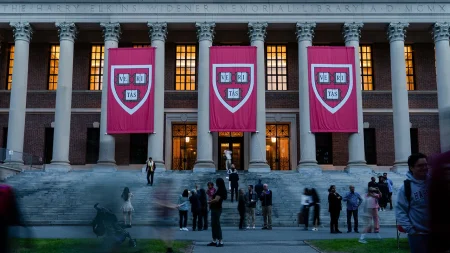
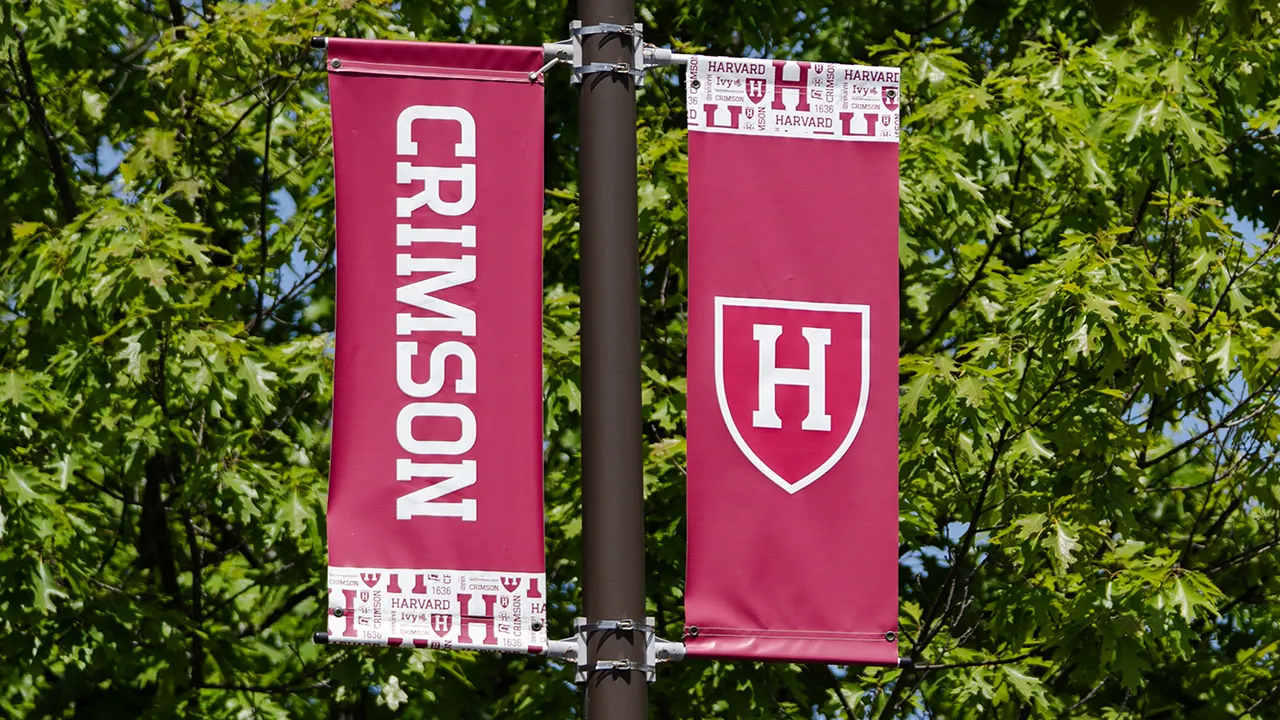
It’s astonishing how quickly our world seems to be slipping back into old, ugly patterns. As someone who grew up hearing stories from my grandparents about the horrors of the past, I can’t help but feel a chill when I see headlines about antisemitism spiking today. This newsletter from Fox News dives into some of the most troubling recent developments, focusing on “Antisemitism Exposed,” a series that shines a light on the prejudice facing Jewish communities in the U.S. and beyond. Imagine scrolling through your phone and suddenly realizing that what was once whispered in dark corners is now out in the open—antisemitic attacks, failed protections by institutions, and even sports stars getting caught in heated moments. One standout story is the massive lawsuit filed by the Trump administration against Harvard University. Picture this: a 44-page legal document accusing one of America’s elite schools of failing miserably to safeguard Jewish and Israeli students after the October 7 Hamas attacks on Israel. The Department of Justice doesn’t mince words—they claim Harvard fostered a toxic environment of antisemitism through “deliberate indifference.” To me, this sounds like the government finally taking a stand, arguing that by ignoring hate, they were complicit in it. Harvard, of course, fights back, calling it a political stunt to increase federal oversight. It’s frustrating, isn’t it? Universities are supposed to be safe havens for learning, but when they turn a blind eye to discrimination, it undermines everything education stands for. I remember feeling a pang of disbelief because my own alma mater prides itself on diversity, yet here we see billion-dollar funding potentially at stake if generals aren’t upheld. This lawsuit isn’t just about money; it’s about accountability. Jewish students reported spikes in intimidation and exclusion shortly after October 7, with protests turning violent and speech being stifled. If Harvard’s response was inadequate, as alleged, then pulling federal aid makes sense as a wake-up call. Hearing White House spokesperson comment that the university “has failed to protect its Jewish students from harassment,” really hits home. It’s not just policy; it’s personal for those affected. I think about young people walking into lecture halls, uncertain if they’ll face vitriol that day, and it reminds me of how fragile tolerance can be. By humanizing these stories, we see real lives disrupted—students who chose Harvard for its prestige now grappling with isolation. The case could set a precedent for other campuses, where antisemitism has been brushed off as mere “free speech.” But let’s be real: true freedom includes protecting the vulnerable. As this unfolds, it’ll be interesting to watch if other universities follow suit in overhauling their policies, or if this becomes another heated political tug-of-war. In the end, education should uplift everyone, and when it doesn’t, society pays a price in division and distrust.
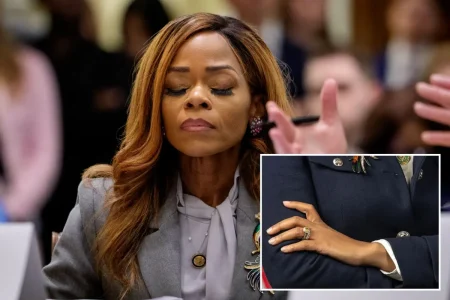
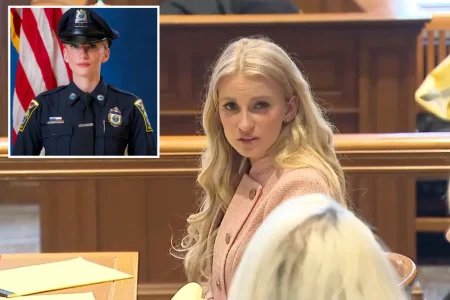
Shifting gears, but staying on the theme of shocking revelations, the newsletter highlights another incident that’s left me shaking my head. Los Angeles Rams star wide receiver Puka Nacua is embroiled in a civil lawsuit over a New Year’s Eve altercation in Century City. The plaintiff, Madison Atiabi, alleges that during a van ride, after Nacua shouted, “f*** all the Jews,” he forcibly bit her shoulder and her friend’s thumb. Now, bite claims aside—which sound more like a horror movie than real life—the antisemitic remark is what really stings. As a football fan, I’ve watched Nacua dazzle on the field, but learning about off-field issues like this makes me question celebrity behavior. His attorney’s response? They call it a “shakedown” and “blackmail,” suggesting the biting was just mutual “horseplay” among partygoers, backed by video of the group having a good time later. It’s a classic he-said-she-said situation, and while I don’t presume guilt, the alleged slur raises red flags about underlying biases in our culture. I’ve been in similar festive scenarios where things get rowdy, but throwing in a hateful remark crosses into unforgivable territory. Antisemitism isn’t a joke, even in the heat of the moment, and incidents like this remind us how prejudice can bubble up unexpectedly. Nacua’s camp insists it’s fabricated for attention, perhaps to cash in on his fame, but if true, it tarnishes the NFL’s image. I think about how public figures are role models, especially for young kids who idolize athletes. Imagine impressionable fans hearing news like this—does it normalize bigotry? On a human level, Ms. Atiabi’s story humanizes the victim, portraying a woman out enjoying the night who ended up traumatized by an aggressive act laced with hate. We’re all entitled to fun, but not at the expense of dignity. This lawsuit for assault, battery, and gender violence could set a tone for accountability in sports. As the case progresses, it’ll be crucial to see if the alleged video tells the full story or if hidden truths emerge. In a world obsessed with social media stardom, these moments remind me that fame doesn’t exempt anyone from consequences when lives are affected. People need to think before they speak or act, especially when alcohol or adrenaline is involved. It’s a sobering tale that underscores how hate can infiltrate even the most celebratory spaces, and it compels us to foster environments where everyone feels safe, Jew or not.
Meanwhile, on the academic front, there’s some positive momentum that’s needed in these dark times. UC Berkeley has agreed to a $1 million settlement and significant policy changes stemming from an antisemitism lawsuit. The university will now adopt the International Holocaust Remembrance Alliance’s definition of antisemitism, effectively banning discrimination against Jewish and Israeli students. For me, this feels like a victory for common sense. The Brandeis Center, which led the case, describes it as a “major milestone” against bigotry that was previously disguised as political activism. I’ve seen firsthand how campus debates can escalate into harassment, particularly around Middle East issues. Jewish voices were stifled, events canceled, and students felt unwelcome due to radical protests. By settling, Berkeley acknowledges past failures and commits to real reforms, like training and enforcement measures. It’s heartening to think young people won’t have to dodge slurs or shunned for their heritage anymore. The $1 million payout isn’t huge, but the imperative to remember and learn from history is priceless. Antisemitism isn’t just a buzzword; it’s a lived experience that bruises spirits and divides communities. Reflecting on my own conversations with friends who’ve faced similar issues at universities, this deal rebuilds trust, showing institutions can course-correct. The human side shines through in stories of students who protested for safer spaces, only to face backlash. One alum I know shared how isolation during those turbulent times affected their mental health. Now, with this overhaul, there’s hope for inclusive dialogues where all viewpoints are respected without fear. Experts warn that without follow-through, settlements risk becoming hollow promises, so eyes will be on Berkeley to ensure change sticks. In essence, this agreement is about healing wounds—acknowledging the pain caused by indifference and paving a path toward genuine acceptance. It’s a reminder that progress happens when we confront the uncomfortable truths, fostering empathy over enmity.
But not all stories carry a glimmer of hope; some plunge deeper into despair. In the UK, counterterrorism police are searching for three suspects after an arson attack destroyed four Jewish community ambulances in London. The group Harakat Ashab al-Yamin, linked to Iran, claimed responsibility, turning vital emergency vehicles into “sickening” symbols of hate. As someone who values humanitarian aid, this makes my blood boil—ambulances save lives, regardless of faith, yet they’re targeted for symbolic destruction. It’s a stark reminder of how terrorism evolves, using fire to terrify an entire community. Analysts point to decades of failed policy in banning IRGC-backed entities, allowing Tehran to export radicalism. I’ve read accounts of Jewish volunteers who drive these ambulances, providing essential services to diverse populations, only to see their efforts literally go up in flames. This incident escalates threats on British soil, echoing warnings about Iranian influence peddling chaos. On a personal note, recalling my travels in Europe, I’ve seen how tight-knit Jewish enclaves contribute so much socially, yet face disproportionate peril. The hunters now scrambling for suspects won’t undo the damage, but hopefully, justice will prevail. It’s exhausting to live in a world where vans meant for healing become battlegrounds. Communities need support systems, and governments must prioritize dismantling terror networks. When I think of the families relying on those ambulances, the human cost hits hard—delayed responses could cost lives beyond the arson. This attack isn’t isolated; it’s part of a broader pattern of imported hate. By humanizing these stories, we empathize with the volunteers who risk everything for service, realizing such acts steal more than property—they steal peace of mind. Vigilance is key, and perhaps this spurs stricter bans on extremist groups. In the face of such cruelty, ordinary people become extraordinary heroes, stubbornly rebuilding what hate seeks to destroy.
Delving into geopolitical undertones, the newsletter features insights from Israeli Ambassador to the U.N. Danny Danon, discussing the Michigan synagogue attack and Israel’s targeted strikes in Lebanon. It’s chilling to hear details of an American synagogue being stormed, linking it to global tensions. Ambassador Danon’s perspective on ‘Fox News Live’ underscores how interconnected these events are—attacks here mirroring conflicts abroad. As a viewer, I appreciate how he explains Israel’s precision strikes as defensive measures against Hezbollah threats. It’s not just military; it’s about protecting civilians on all sides. The human element emerges in remembering victims of synagogue violence, families grieving senseless loss. Danon’s words remind us that diplomacy and security go hand-in-hand, urging international unity against hate. I’ve pondered these debates myself, wondering why global leaders hesitate on decisive action. By humanizing his commentary, we see a diplomat driven by concern for his homeland’s safety, advocating for accountability. His video ties into the newsletter’s theme, showing how U.S. hatred fuels foreign aggressions. It’s a call to action: recognize signs early to prevent escalation. On a deeper level, it evokes empathy for Israeli families enduring constant threats, paralleling Jewish communities worldwide. This dialogue fosters understanding, bridging divides in a polarized world.
Finally, wrapping up with even more emotional weight, guest editorialist Zoya Fakhoury shares her raw story of her father’s 2019 unlawful detention by Hezbollah, exposing the group’s dominion over Lebanon. As co-founder of the Amer Foundation, she argues Iranian-backed forces kidnap innocents and drag nations into war, paralleling perils for Lebanese and Israeli alike. Reading her piece stirs profound sadness—envisioning a loved one’s disappearance, not knowing if they’ll return. Fakhoury’s narrative humanizes geopolitics, turning headlines into heart-wrenching tales of ordinary people caught in ideological crossfires. Her father’s ordeal symbolizes how terrorism warps sovereignty, trapping populations in endless cycles of fear. Weeks of questions surrounding the detention’s legality highlight impunity. As someone who’s empathized with family losses, Fakhoury’s call for action resonates deeply—advocate for victims and challenge oppressive regimes. Iran’s fingerprints on such abductions, from Lebanon to beyond, underscore transnational terror risks. She warns spirals into catastrophe echo past mistakes, urging global introspection. The quote from the White House on Harvard’s failures parallels here—failures compound, enabling wider harm. Her column illuminates lesser-heard voices, like Lebanese civilians sidelined in Israeli conflicts. Personalizing Zoya’s grief through candid recounting builds bridges—silencing brethren’s suffering perpetuates injustice. Resilience amidst trauma inspires, reminding change begins with truth-telling. In summary, these narratives weave antisemitism’s threads through personal, cultural, societal lenses, urging vigilance against rising tides. Exploring broader coverage through Fox News reveals patterns demanding collective response. Subscribing to newsletters ensures staying informed, with the app offering instant updates. Ultimately, confronting hatred requires empathy, action, fostering forums where all voices thrive sans fear.