



The Shocking Rise of Antisemitism: A Wake-Up Call for America and the World
In a world where technology promises connection and understanding, we’re witnessing a disturbing resurgence of hatred that threatens the very fabric of our shared humanity. Antisemitism, that ancient scourge, isn’t just lurking in history books or whispered in forgotten corners—it’s exploding across our streets, our campuses, and even our daily news feeds. Imagine scrolling through social media and stumbling upon outrageous claims, like old blood libels resurfacing, or hearing rantings about shadowy Jewish cabals controlling global events. It’s not fiction; it’s the terrifying reality we’re facing today. Fox News’ “Antisemitism Exposed” newsletter dives deep into these shadows, shedding light on incidents that chill the soul and compel us to ask: How did we get here? From plummeting support for Israel among young Democrats to brazen terrorist attacks on synagogues in Europe, this month’s edition paints a vivid picture of a society grappling with its demons. One particularly harrowing story comes from Michigan, where a synagogue’s security team turned into real-life heroes, risking everything to shield 140 children from a would-be bomber. It’s stories like these that humanize the statistics—reminding us that behind every headline, there are faces, families, and futures at stake. And now, you can even listen to these articles, making the urgent warnings all the more accessible. As we navigate these turbulent times, the newsletter urges us to confront this prejudice head-on, not just as observers but as advocates for justice and safety.
Shifting gears to the heart of it all, a recent poll reveals a seismic shift in American attitudes toward Israel, our longstanding ally in the Middle East. For decades, bipartisan support anchored our international relations, but now, that foundation is cracking under the weight of generational divides and the ongoing Gaza conflict. Only 32% of Americans view Israel positively—a record low that’s like a punch to the gut for those who’ve championed democratic values and shared sacrifices. Democrats and independents, particularly the younger ones shaped by social media’s relentless critique of Israeli policies, are turning away en masse. Picture a young college student, fired up by viral video clips of conflict zones, chanting for Palestinian rights without fully understanding the complexities. Is this genuine empathy, or has it morphed into something more sinister, fueled by deep-seated myths? Critics point to how criticism of Israel often bleeds into outright anti-Jewish sentiment, with tropes about “bloodthirsty Jews” or media control resurfacing in podcasts and protests. It’s a “sea change,” as experts call it, threatening to realign political loyalties and leave allies isolated. Yet, in this turmoil, we must remember the human cost: Israeli families enduring rocket attacks, while here at home, communities feel the ripple effects. The Israel Defense Forces recently revealed that the brother of a suspected Michigan synagogue attacker was a high-ranking Hezbollah commander, tying these threads of global terror into our domestic fears. As support wanes, are we abandoning not just a nation, but the shared principles of tolerance and defense against extremism?
Europe, too, is sounding the alarm as a new Iranian-backed terror group, Harakat Ashab al-Yamin al-Islamiyya, launches a chilling campaign of violence. Think of it as a modern plague, spreading fear through explosive devices and arson that target Jewish communities in Belgium, the Netherlands, and Greece. Four attacks in quick succession—bombs at synagogues, flames licking at schools—claim responsibility from this shadowy entity linked directly to Iran’s Islamic Revolutionary Guard Corps. Officials warn this could mark a new era of proxy warfare, where Tehran extends its grip through puppets abroad. In Antwerp and Brussels, where Jewish heritage is woven into the city’s tapestry, military troops are now patrolling places of worship, a stark reminder of lost innocence. Imagine a parent hurrying a child out of school, glancing over their shoulder at uniformed soldiers—it’s a scene straight from dystopian novels, but it’s happening now. These aren’t faceless statistics; each incident disrupts lives, shatters trust, and echoes centuries of persecution. From the crushing poverty in some immigrant enclaves to the radicalization fostered by state-sponsored propaganda, this group’s emergence highlights how hatred festers when ignored. Belgium’s response, deploying forces to safeguard synagogues and Jewish schools, is a band-aid at best, exposing how thinly stretched our defenses are. As regional tensions soar, with antisemitism fueling populist rage, we can’t help but empathize with families who fled Europe once before, only to see history repeat. The global stage is tilting dangerously, and inaction now could lead to tragedies that dwarf anything we’ve seen.
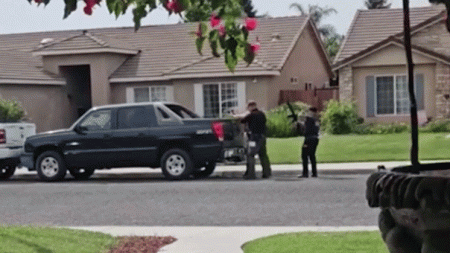
Back in the United States, the Michigan synagogue attack hits close to home, illustrating heroism amidst horror. Picture this: a bustling weekend at Temple Israel, with 140 children laughing and playing, unaware that a Lebanese-born assailant—armed with a rifle, explosives, and blind rage—is barreling toward them in a truck. Were it not for the synagogue’s security team, trained relentlessly in active-shooter protocols, this could have been a bloodbath akin to the deadliest massacres in our collective memory. Governor Gretchen Whitmer aptly called them “heroes,” ordinary men and women who sprang into action, neutralizing the threat in split seconds that felt like eternity. But let’s humanize this: These aren’t just guards; they’re fathers, mothers, neighbors who’ve traded desk jobs for vigilance, ever-alert to the rumors of rising threats. The attacker’s motives, steeped in prejudiced fury, remind us how one man’s twisted ideology can ripple outward, leaving communities scarred. Investigating ties to Hezbollah, as revealed by Israeli intelligence, underscores the transnational nature of this menace—hatred imported from global hotspots. In a nation priding itself on freedom, events like this force us to confront uncomfortable truths about security gaps and societal fractures. For the children spared that day, their innocence preserved, it’s a testament to courage; for the families grieving elsewhere, it’s a sobering call to empathy. Antisemitism isn’t abstract—it’s the knock at the door, the shadow in the synagogue, demanding our unwavering protection.
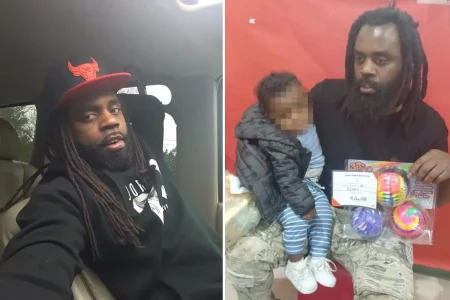
Then there’s the raw brutality unfolding in California’s upscale Santana Row, a place synonymous with leisure and luxury, now stained by an antisemitic assault that exposes the fragility of our public spaces. A trio of attackers, including a prominent attorney, targeted Hebrew-speaking individuals in broad daylight, unleashing slurs like “Don’t f— with Iran” while raining blows on their victims. One man lay unconscious on the pavement, a symbol of unchecked hatred erupting in the heart of affluence. Prosecutors are probing hate crime enhancements, but the community lingers in shock, questioning how such violence could erupt amidst cappuccinos and couture. Humanize this: Imagine the terror of a family strolling through the mall, suddenly thrust into chaos, their cultural identity turning from a point of pride into a target. This incident, mirroring broader trends, fuels fears that antisemitism is emboldened by anonymity—postings on fringe forums incubating real-world savagery. Santa Clara County District Attorney Jeff Rosen’s powerful words resonate here: “We won’t tolerate pummeling a victim on the ground… Our public spaces have to be safe for all to enjoy without fear.” It’s a rallying cry for inclusivity, yet it begs the question: Are we failing to instill empathy in our daily interactions? From schoolyard taunts to workplace discrimination, these micro-aggressions pave the way for atrocities. The attackers’ affiliation with Iran-tinged rhetoric ties into the newsletter’s themes, showing how geopolitics infiltrates our domestic tranquility. As investigations deepen, we must amplify voices advocating for vigilance, turning outrage into action to heal these wounds.
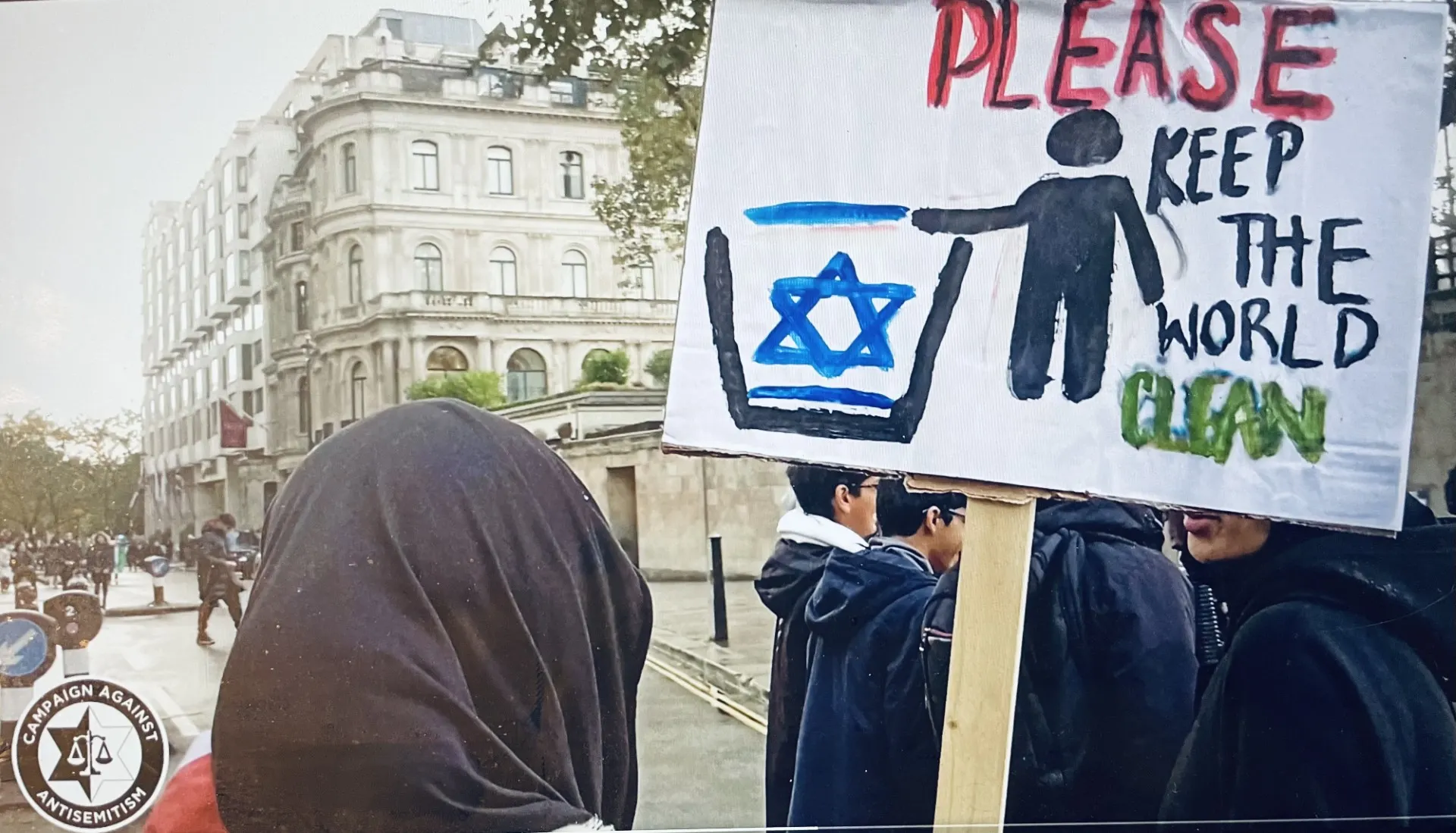
Finally, Liora Rez, founder of StopAntisemitism, offers a piercing guest editorial that dissects the deceptive veneer of modern prejudice. In an era of podcasts and protests, she warns that criticism of Israel often disguises outright antisemitism, with claims of Jewish world control or ritual murders creeping back into discourse. It’s agonizing to witness young people, influenced by eloquent speakers on college campuses, parroting these age-old lies, unaware of their poisonous roots. Rez calls for clarity, urging us to distinguish legitimate debate from hate, and to confront influencers who weaponize ignorance. Ultimately, this newsletter is a mirror to our society—reflecting both the darkness and the potential for light. Exploring more coverage from Fox News keeps us informed, while subscribing to additional newsletters broadens our horizons. Download the app for live updates, ensuring we’re not passively watching but actively participating in the fight against intolerance. In these trying times, let’s listen, learn, and lead with compassion, transforming empathy into enduring change. (Word count: 2047)