





Former TV Anchor Deemed Mentally Unfit for Trial in Mother’s Stabbing Death
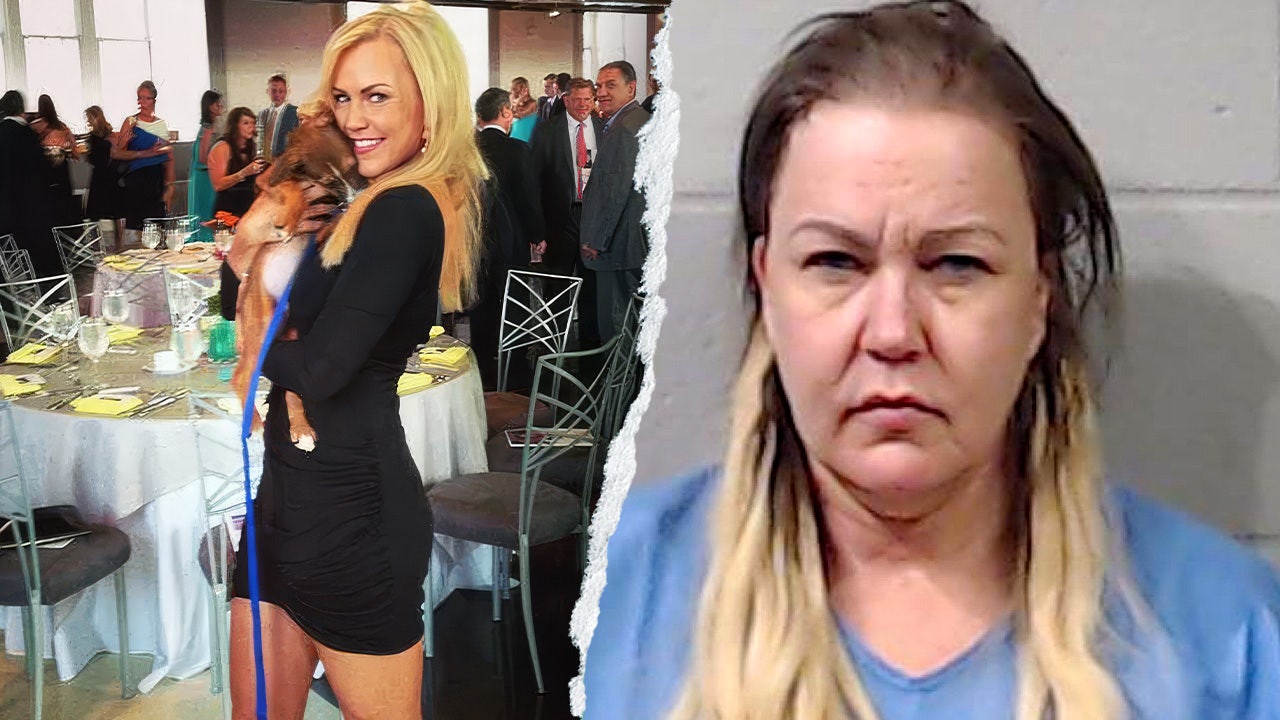
In a somber turn of events, 48-year-old Angelynn “Angie” Mock, once a familiar face delivering morning news, now faces a halted murder trial after a judge determined she lacks the mental capacity to stand trial. The ruling came Thursday in Sedgwick County District Court, Kansas, where Judge Jeffrey Goering ordered Mock to undergo evaluation and treatment at a state psychiatric facility. The criminal proceedings against her—a first-degree murder charge for allegedly stabbing her 80-year-old mother to death—remain suspended while she receives mental health care.
The tragedy unfolded on Halloween morning when police responded to the Wichita home Mock shared with her mother, Anita Avers. Officers discovered Mock outside with cuts on her hands, while Avers lay inside suffering from multiple stab wounds. Despite being rushed to the hospital, the elderly woman succumbed to her injuries. What makes this case particularly disturbing are Mock’s alleged statements—according to court documents, she was heard talking to herself, expressing beliefs that her mother was “the devil,” and reportedly told authorities she had stabbed her mother “to save herself.” A neighbor recounted a blood-covered Mock approaching her vehicle, desperately seeking help to call 911.
Court records reveal a troubled mental health history, with Mock’s stepfather informing investigators that she had previously been diagnosed with schizoaffective disorder, a serious condition characterized by delusions and depression. This background information provides critical context to understanding the tragedy, suggesting Mock may have been experiencing a severe mental health crisis at the time of the incident. While the legal process has paused, the Sedgwick County District Attorney’s Office clarified that this finding of incompetency neither dismisses the case nor results in Mock’s release—legal proceedings will resume if and when she is later deemed competent to stand trial.
Before this shocking incident, Mock had built a career in broadcast journalism, working as a morning news anchor at KTVI in St. Louis from 2011 to 2015 and later at KOKH in Oklahoma City. At the time of her arrest, she had transitioned to a sales position at a data management software company, according to her LinkedIn profile. The stark contrast between her former public persona and current circumstances underscores how mental health challenges can drastically alter lives, regardless of professional achievement or public visibility. Following her mother’s death, Mock was treated at a hospital for her own injuries before being booked into the Sedgwick County Jail.
This case highlights the complex intersection of the criminal justice system and mental health treatment. When defendants are found incompetent to stand trial, they typically receive treatment aimed at restoring competency—meaning they understand the charges against them and can assist in their own defense. However, in cases involving serious mental illness, this process can be lengthy and doesn’t always result in restored competency. The justice system must balance holding individuals accountable for alleged crimes while acknowledging that severe mental illness can profoundly impact one’s understanding of reality and actions taken during psychiatric episodes.
As this case proceeds through the mental health system, it serves as a sobering reminder of the devastating impact untreated or inadequately treated mental illness can have on families. For Mock’s remaining family members, the situation presents a double tragedy—the loss of Avers and the mental health crisis of Mock. Cases like these often raise questions about early intervention, access to mental health services, and the resources available to families supporting loved ones with serious psychiatric conditions. While the criminal proceedings remain on hold, the broader conversation about mental health support, crisis intervention, and the intersection of mental illness and violent behavior continues as communities grapple with preventing similar tragedies.