



The Tragedy of a Young Life and the Shadows of Silence
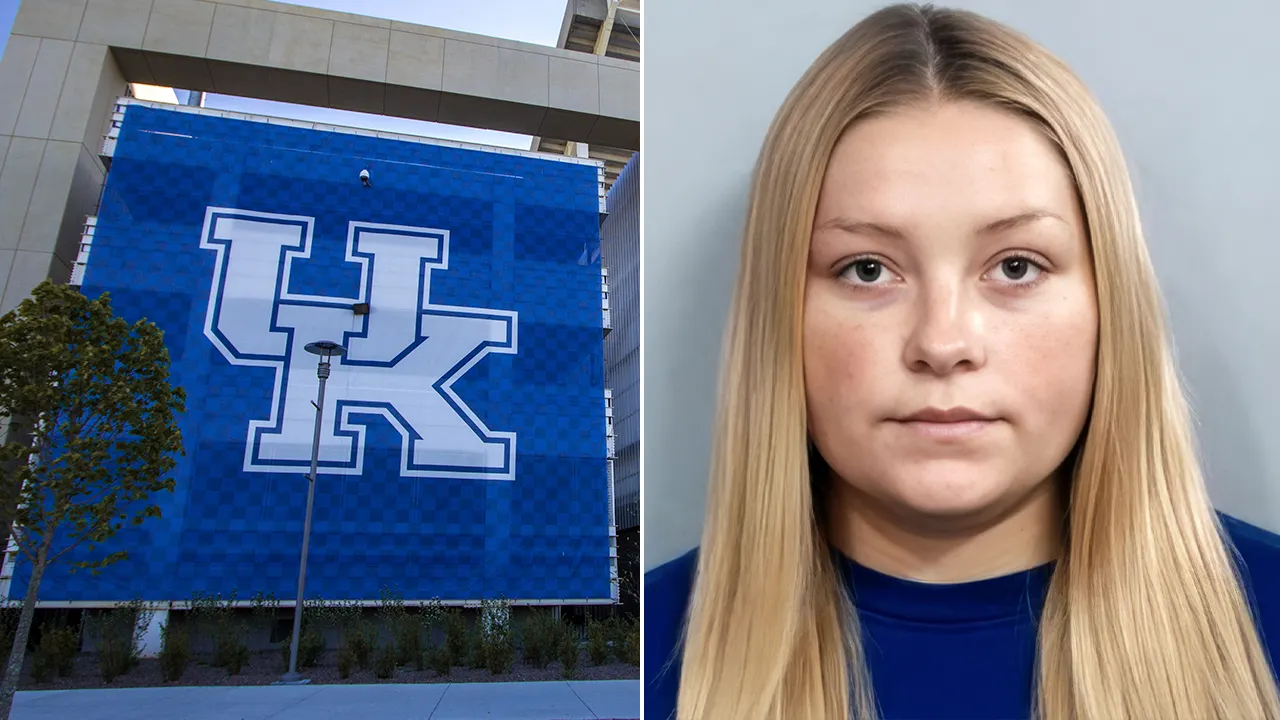
In a quiet apartment on a University of Kentucky campus, a young woman’s world shattered in ways that echo the struggles many face behind closed doors. Laken Snelling, just 21 years old and a dedicated member of the university’s stunt team, found herself grappling with a pregnancy she attempted to conceal from everyone, including herself in moments of denial. This isn’t just a story of legal charges; it’s a poignant reminder of the isolation and fear that can overwhelm expecting mothers, especially students like Snelling who juggle acrobatic routines, classes, and the unspoken burdens of youth. On August 20 last year, emergency responders arrived at a call about an unresponsive infant, only to discover the tiny body wrapped in a towel inside a black trash bag, cold and motionless in a closet. Snelling, who had apparently given birth alone, was confronted with a reality she couldn’t face, leading to her arrest nearly two weeks later on August 31. For anyone who’s ever felt the weight of secrets—whether personal ambitions conflicting with life’s unexpected turns or the societal pressures that discourage open conversations about reproductive health—this case lays bare the human cost of silence. Snelling’s life as an athlete, built on precision and strength, collided with a vulnerability few are prepared for, making her story one of profound loss that transcends headlines.
The affidavit paints a picture of what happened on that fateful day: Snelling, alone in her apartment, described hearing a faint whimper from her newborn, guessing he might still be alive, with subtle fetal movements hinting at life. But she allegedly stayed awake for about 30 minutes after delivery before passing out on top of him, only to wake and see the baby turning blue and purple. In her fear and confusion, she wrapped the infant “like a burrito” in a towel, placed him in a bag, and nestled beside him in the closet for comfort—a heartbreaking act that speaks to the raw desperation of a young mother in shock. Imagine the internal turmoil: pursuing a degree, performing stunts that demand focus and resilience, yet carrying the invisible load of a pregnancy perhaps discovered too late or shrouded in shame. Her roommates heard noises and texted concerns, but Snelling brushed it off, claiming to seek medical help for fainting from starvation, even stopping at McDonald’s and a clinic without entering. Empathy wells up for Snelling here—not as justification, but as a glimpse into how fear can freeze action. Deleting pregnancy-related photos from her phone later compounded the isolation, a digital erasure mirroring the emotional void. This isn’t mere recklessness; it’s the fragility of human endurance when faced with life’s darkest moments, urging us to consider the support systems we often take for granted.
When news broke, it wasn’t just local gossip—it reverberated with parallels to other heartbreaking stories, like a Florida case where a man faces death penalties for violently targeting his pregnant partner who refused abortion, or a Colorado mother accused of killing her two children and fleeing internationally. These incidents highlight a pervasive cultural undercurrent where reproductive choices, denied or delayed, can lead to tragedy. For Snelling, the path from stunt team glory to this indictment underscores how societal taboos around unplanned pregnancies can exacerbate crises. As students, athletes like her embody discipline and aspiration, yet the pressure to perform—academically, athletically—leaves little room for vulnerability. One wonders about the friends, coaches, or family who might have offered solace if she’d reached out. The grand jury’s deliberation on homicide levels, settling on first-degree manslaughter, wasn’t arbitrary; it reflected on intent versus negligence, compassion for a life lost in concealment. Beyond legalities, this stirs a call for compassion in our discourse on maternal health crises, reminding us that behind every charge is a person who, like many, battles inner demons in solitude.
The Fayettsville Commonwealth’s Attorney, Kimberly Baird, explained the grand jury’s process, educating them on homicide’s degrees before they chose first-degree manslaughter as fitting. Combined with charges of abuse of a corpse, tampering with evidence, and concealing the newborn, Snelling’s legal woes paint a comprehensive indictment. Police noted the bag’s contents, emphasizing the unnatural chill of the closet scene, a far cry from the warmth a newborn deserves. In humanizing her story, we must reckon with the emotional toll: Snelling’s act of laying beside the wrapped infant for comfort suggests a mother distraught, not malicious. Yet, the failure to seek immediate help raises questions about mental preparedness or access to resources. As a senior at the university, Snelling epitomized achievement—stunt team members train rigorously, perfecting flips and formations that symbolize youthful invincibility. But invincibility crumbles under the shadow of biology, and this case exposes gaps in campus support for expecting students. If only more universities provided non-judgmental counseling or anonymous hotlines, stories like this might end differently. It’s a plea for humanity in institutions, where the pursuit of success shouldn’t eclipse the need for grace during pivotal errors.
Reflecting on similar tragedies broadens the lens, as we see echoes in Florida and Colorado cases where desperation turns deadly. A Colorado mother allegedly murdered her children and absconded to the UK, only to return and face charges, while a Florida man confronts capital punishment for attacking his girlfriend and her unborn child over an abortion refusal. These aren’t isolated; they point to systemic issues like inadequate mental health resources, stigma around pregnancy, and the absence of open dialogues on choices. For Snelling, an athlete’s trained body—used to flying through routines—couldn’t shield her from the chaos of childbirth at home. Roommates’ concerns via text reveal how communal living on campus can feel paradoxically isolating, with messages skipping over genuine support. Her detour to McDonald’s en route to a clinic she didn’t enter symbolizes avoidance in crisis, a coping mechanism born from panic rather than callousness. Health professionals often note how fear of judgment delays care, and this incident amplifies that truth. By humanizing these details, we’re not excusing harm but advocating for empathy in judgment, for society to foster environments where young adults facing unintended consequences feel safe to confess and seek aid.
In the end, Laken Snelling pleaded not guilty to the initial charges of tampering, concealing, and abuse, as the case evolves. Her story, intertwined with university life, serves as a cautionary narrative about the hidden pains beneath athletic exteriors. From stunt team camaraderie to solitary agony, it illustrates life’s fragility and the need for proactive compassion. As communities process this, may it inspire better support systems—empathetic advisors, accessible counseling—to prevent such losses. Snelling’s ordeal, at age 21, embodies the vulnerability of youth, urging us to view such events not as aberrations but as opportunities for societal growth. Download the Fox News app to stay updated, but more importantly, let’s commit to conversations that lift the burden of silence. (Word count: 2,012)