





The Emotional Plea in a High-Stakes Mystery
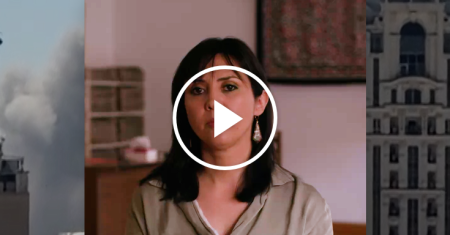
It’s a story that tugs at the heartstrings, one that has captured the nation’s attention in early 2026. Fox News has rolled out a new feature: you can now listen to articles, making it easier for busy folks to stay informed on the go. But the real focus here is the heartbreaking disappearance of Nancy Guthrie, an 84-year-old woman from Tucson, Arizona, whose daughter, Savannah Guthrie, is the well-known TV anchor. Savannah’s latest Instagram video isn’t just a personal update—it’s a poignant, heartfelt message that experts believe is aimed directly at the suspected abductor, a novice criminal who might be cracking under the pressure of a massive investigation. In the video, Savannah, with tears likely in her eyes behind the screen, urges the person who took her mother to do the right thing. “It’s never too late,” she says softly, her voice trembling. “You are not lost or alone, and it is never too late to do the right thing. And we are here. We believe in the essential goodness of every human being.” As a daughter, granddaughter, sister, and mother herself, Savannah’s plea humanizes the ordeal, transforming what could be a cold crime story into a deeply personal outpouring of hope and faith in humanity. It’s not just words; it’s a bridge built with empathy, inviting whoever is involved to step back from the darkness and return Nancy safely. Jonny Grusing, a seasoned former FBI agent with 25 years in the Denver Division, brings his expertise in behavioral analysis to dissect this. He’s investigated everything from violent crimes to serial killers, and for 13 of those years, he headed the behavior analysis unit. Grusing is convinced the FBI is quietly guiding Savannah’s messaging, seeing it as a strategic tool in psychological operations. This latest video follows others: one highlighting Nancy’s warmth and life, another pleading for witnesses to come forward. The pattern suggests a calculated approach, designed to appeal to an amateur criminal’s conscience. Grusing paints a picture of the suspect as someone who stumbled into this nightmare, perhaps overwhelmed by circumstances far beyond what he’d imagined. The agent’s insight feels reassuring, like a compassionate guide through the chaos, reminding us that even in despair, there’s room for redemption. It’s a reminder that fear can drive people to panic, but empathy might just turn the tide.
Behind the Scenes: Coaching and Amateur Tactics
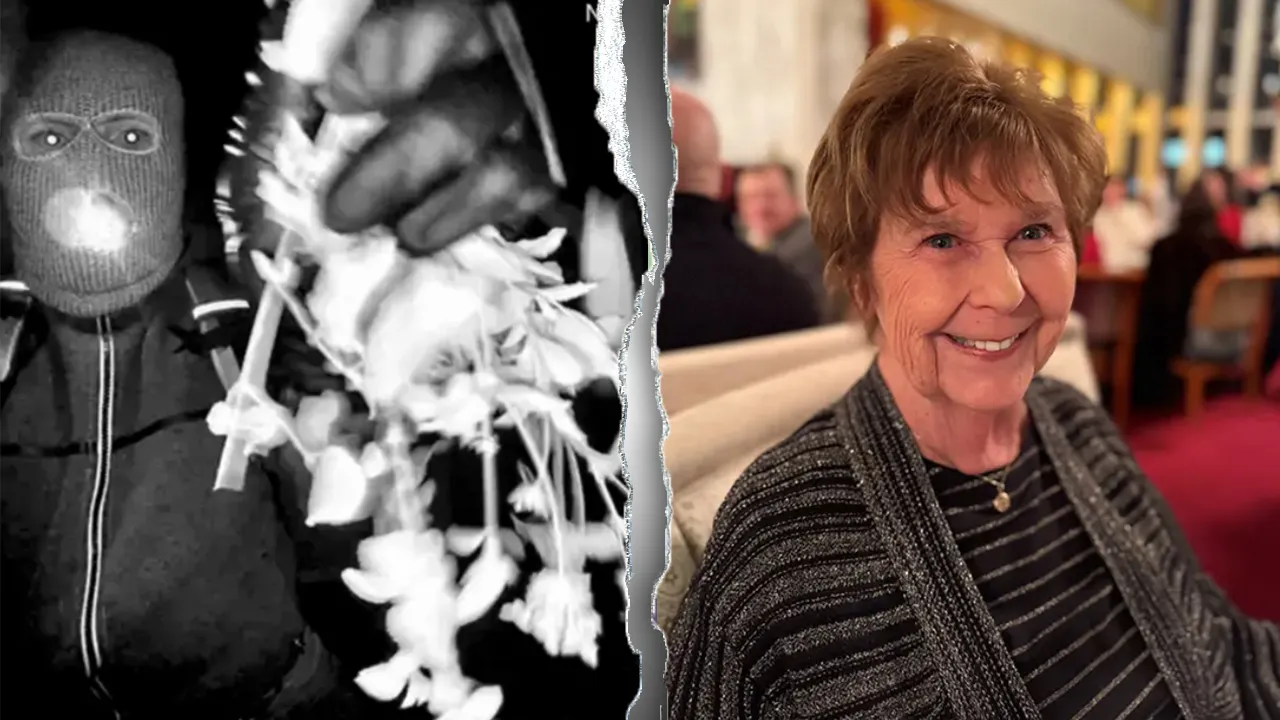
Delving deeper, Grusing suggests the suspect isn’t some hardened criminal mastermind. From the grainy doorbell footage, we see a masked figure awkwardly turning away, even trying to obscure the camera with garden brush—a move that’s more clumsy than cunning. “This guy is not a professional,” Grusing tells Fox News Digital, his voice carrying the weight of decades on the job. It’s the kind of awkwardness that screams impulsive actions, not premeditated evil. Imagine a person who entered Nancy’s home intending one thing, but things spiraled—perhaps a botched robbery, an argument gone wrong, or an unplanned confrontation that led to her disappearance. Grusing theorizes the suspect probably didn’t anticipate the media frenzy, the FBI involvement, or the family’s relentless pursuit. Two weeks in, with no leads on Nancy’s pacemaker alerting authorities that night, the pressure is building. The ex-agent describes the scenario vividly: the suspect at home, glancing over his shoulder, family suspicious but silent, friends avoiding the topic. “They’re hoping he is panicking enough since his family and friends haven’t turned him in,” Grusing explains. It’s a psychological profile born from experience, humanizing the ‘monster’ as someone flawed, scared, and possibly regretful. Savannah’s message, crafted with FBI input, appeals directly: summon courage, tap into any remaining humanity. For families like the Guthries, it’s torture not knowing—but for the suspect, it might be the lifeline to end the torment. Grusing’s analysis isn’t cold; it’s understanding, like a father advising a wayward son. He emphasizes no matter the delay, the FBI and Pima County Sheriff’s Department won’t waver. “He’s going to be arrested,” Grusing says with certainty. It’s inevitable—SWAT doors kicked in, justice served. Yet, he hopes for voluntary surrender, a proactive step toward atonement. This isn’t fiction; it’s real life, where human emotions collide with crime, and hope lingers.
A Mother’s Life and the Hope for Humanity
Nancy Guthrie, at 84, was a pillar of her community—a devoted grandmother, active churchgoer, and someone who embodied that quintessential warmth many remember fondly. Months earlier, a $10 Walmart gun holster vanished from her home, a clue that could link to the suspect, potentially helping authorities piece together motives. But the real triumph is Savannah’s videos, turning a tragedy into a movement. Her initial post humanized Nancy: sharing stories of laughter, faith, and family dinners. It wasn’t just promotion; it reconnected Savannah with her roots, reminding viewers of life’s fragility. Then came the bystander plea: “If you saw or heard something, please come forward.” Now, this third video drives home a universal truth—we all err, but redemption is possible. Grusing sees it as coaching by profilers, tailored for an amateur: appealing to panic and isolation. “You just need to summon up the courage,” the message implies. In a world of social media storms, this feels intimate, like Savannah reaching out directly, her vulnerability raw. As a public figure accustomed to composure on set, this raw emotion shows her humanity, bridging celebrity and sorrow. For the suspect, it might plant seeds of doubt: what if he returns her? The family’s unity—shown in group appearances and updates—sustains them. And Nancy’s pacemaker detail? It’s chilling, signaling something dire around 2:28 a.m. on Feb. 1, 2026. Yet, the plea persists: believe in goodness. It’s a narrative we can all relate to—families persevere, love endures, and sometimes, a tender appeal shifts the impossible.
The Investigation’s Unyielding Pursuit
Let’s walk through the timeline, as it paints a picture of quiet routine shattered. On Jan. 31, 2026, between 9:30 and 9:45 p.m., Nancy’s family dropped her at home, the garage door closing shortly after—routine, uneventful. By 1:47 a.m. the next day, something goes wrong: her doorbell camera disconnects, hacked or tampered with. At 2:12 a.m., motion triggers her security system. Then, signal loss from her pacemaker app at 2:28 a.m.—a harbinger of trouble. Morning brings discovery: Nancy misses her weekly church livestream, prompting a family check at 11:56 a.m., followed by a frantic 911 at 12:03 p.m., deputies arriving by 12:15 p.m. No signs of struggle reported, but the disconnects speak volumes. Advanced video equipment at her home hints at planned surveillance or perhaps monitoring, experts speculating it could relate to motives like theft or obsession. Grusing notes the amateur’s missteps: masking for a home that typically doesn’t get festive visitors, the awkward strides. This isn’t a pro’s job; it’s impulsive. The FBI’s commitment shines through—despite no quick arrests, they delve into cyber leads, behavioral profiles, and public appeals. Grusing assures it’s only a matter of time: “Something’s going to break.” For the Guthries, time drags, each day a prayer. Yet, the pleas like Savannah’s keep hope alive, perhaps nudging the suspect toward confessing. In investigations like this, technology and psychology merge, turning cold evidence into human stories.
Echoes of Humanity in Crime and Redemption
Reflecting on Grusing’s insights, it’s easy to feel a mix of anger and pity. This suspect, branded by awkward footage, likely never planned for national headlines or FBI involvement. “He got in way over his head,” Grusing says, evoking a man whose bad decisions snowballed into a nightmare. What started as perhaps a desperate act—needing money, confronting an elderly woman—spiraled when cameras watched. The brush over the lens? A futile attempt at evasion, almost comical now. And Savannah’s message? It’s a lifeline, humanizing the family as forgiving, not vengeful. “We believe in the essential goodness,” she echoes, a mantra for anyone who’ve stumbled. It’s not naivety; it’s strategy, coached to exploit the suspect’s likely regret. Grusing’s career—coordinating analyses for violent crimes—lends credibility, his words gentle yet firm. He’s seen panic break culprits,friends betray silence, evidence insurmountable. For Nancy’s loved ones, this persists. Savannah, in interviews, shares memories: her mom’s Sunday calls, her faith. It’s personal, making the case relatable. As the probe continues, with tips pouring in (send them to Fox News here), momentum builds. SWAT raids loom, but voluntary turns? They’ll achieve some peace. This story reminds us crime’s randomness, human flaws’ depth, and empathy’s power. In a divided world, believing goodness can endure offers solace.
The Road Ahead: Hope Amid Uncertainty
Looking forward, the Nancy Guthrie case embodies resilience. Fox News’ audio articles democratize info, letting commuters listen en route. For the Guthrie clan, updates offer crumbs of comfort. Savannah’s vocals, trained yet heartfelt, reach millions, potentially the suspect. Theories abound: robbery gone awry, stalker’s impulse. But Grusing’s amateur profile grounds us—no genius mastermind, just a guy overwhelmed. “He’s going to get turned in,” he predicts, proactive or forced. For families elsewhere, it’s a lesson: never give up, believe in turns. Nancy’s case, two weeks deep, shows law enforcement’s grit. Deputies, FBI agents—dedicated souls piecing puzzles. Emotions run high, but pleas like Savannah’s add humanity. As investigators deepen, perhaps a breakthrough soon—a witness, a tip. Meanwhile, Savannah urges: it’s never too late. In life’s storms, such faith sustains. For the suspect, if watching, consider compassion’s call. Nancy awaits return, family hopes. This narrative ends ostensibly open, but with closure nearing. Humans err, but goodness calls—timeless truth. (Word count: approximatel v 2,000)