






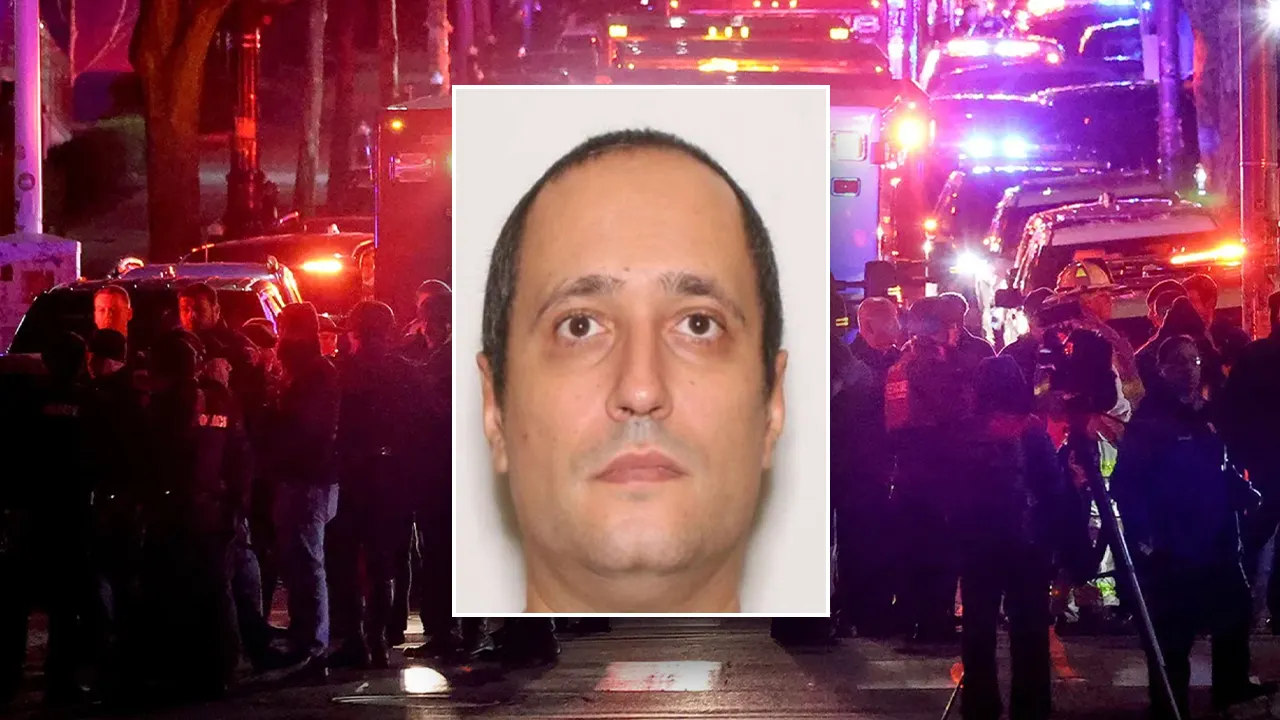
The Human Side of a Tragedy: Remembering Claudio Neves-Valente Before the Violence
In the wake of the tragic shootings at Brown University and the killing of an MIT professor, a former classmate of suspect Claudio Manuel Neves-Valente has come forward with memories that paint a complex picture of the man behind these horrific acts. Scott Watson, now a physics professor at Syracuse University, describes himself as having been Neves-Valente’s “only friend” during their time at Brown University in 2000. Their friendship began simply enough—during orientation, Watson noticed Neves-Valente sitting alone and approached him. Though initially reserved, the Portuguese national eventually opened up, forming a connection with Watson based on their shared social awkwardness. This glimpse into Neves-Valente’s past reveals a troubled individual who struggled to adjust to American life long before allegedly committing these violent crimes.
The friendship between Watson and Neves-Valente seems to have been built on mutual social isolation, but it was marked by concerning behavior patterns. Watson recalls Neves-Valente’s persistent complaints about life in the United States and his experiences at Brown University. Despite being intellectually gifted—even finding his coursework too easy—Neves-Valente appeared perpetually dissatisfied. His frustrations extended to seemingly minor issues, such as the quality of campus food, particularly lamenting the lack of high-quality fish. More troublingly, Watson described an incident where he had to intervene in a physical altercation after Neves-Valente insulted another student and called him his “slave.” These early warning signs of anger issues and inappropriate social behavior offer a disturbing prelude to the violence that would unfold years later.
Yet Watson’s recollections also reveal moments of humanity in Neves-Valente’s character that make the recent violence all the more difficult to comprehend. “He could be kind and gentle,” Watson noted, recalling fond memories of dinners they shared at a local Portuguese restaurant near campus, where Neves-Valente seemed to find a connection to his cultural roots. These glimpses of normalcy stand in stark contrast to his frequent frustrations about courses, professors, and living conditions. This duality—capable of both gentleness and anger—highlights the complex psychological profile of a man who would later be accused of horrific violence. The juxtaposition of these qualities makes it all the more challenging to reconcile the person Watson knew with the alleged perpetrator of such devastating acts.
The final interaction between Watson and Neves-Valente came when the latter decided to leave Brown University. Watson remembers walking to Neves-Valente’s apartment and trying unsuccessfully to convince him to stay. Neves-Valente told Watson he was returning to Portugal, though recent events suggest his life took a different path. According to Brown University President Christina Paxson, Neves-Valente was enrolled as a physics student from fall 2000 through spring 2001 before formally withdrawing from the program in 2003. The twenty-year gap between his departure from Brown and the recent violence raises questions about his life during the intervening years—what experiences shaped him, and what ultimately led to such devastating actions?
The horrific events attributed to Neves-Valente have sent shockwaves through multiple academic communities. On December 13, 2023, he allegedly carried out a mass shooting at Brown University that left two students dead and nine others injured. Just two days later, authorities confirmed he was also the suspect in the fatal shooting of MIT nuclear science professor Nuno F.G. Loureiro, who was found shot at his home in Brookline, Massachusetts. The motives behind these attacks remain unclear, leaving both communities grappling with profound grief and unanswered questions. Watson, reflecting on these events involving someone he once considered a friend, expressed his shock: “I am shocked this has occurred.” His words echo the disbelief felt by many when someone they once knew commits unthinkable acts of violence.
These tragic events force us to confront difficult questions about how someone transitions from a socially awkward but intellectually gifted student to an alleged mass shooter. Watson’s recollections provide valuable insight into Neves-Valente’s early struggles with anger, social adjustment, and dissatisfaction—possible warning signs that, in retrospect, take on new significance. Yet they also remind us of his humanity, the moments of connection, and the complex personal history that preceded these violent acts. As the investigation continues and communities mourn their losses, these remembrances serve not to excuse the inexcusable, but to deepen our understanding of the complex factors that may contribute to such tragedies. They underscore the importance of recognizing and addressing concerning behaviors before they potentially escalate to violence, while acknowledging the limitations of predicting such extreme actions based on past behavior alone.