





The Shocking Case of a Nurse Imposter: A Florida Woman’s Deception Exposed
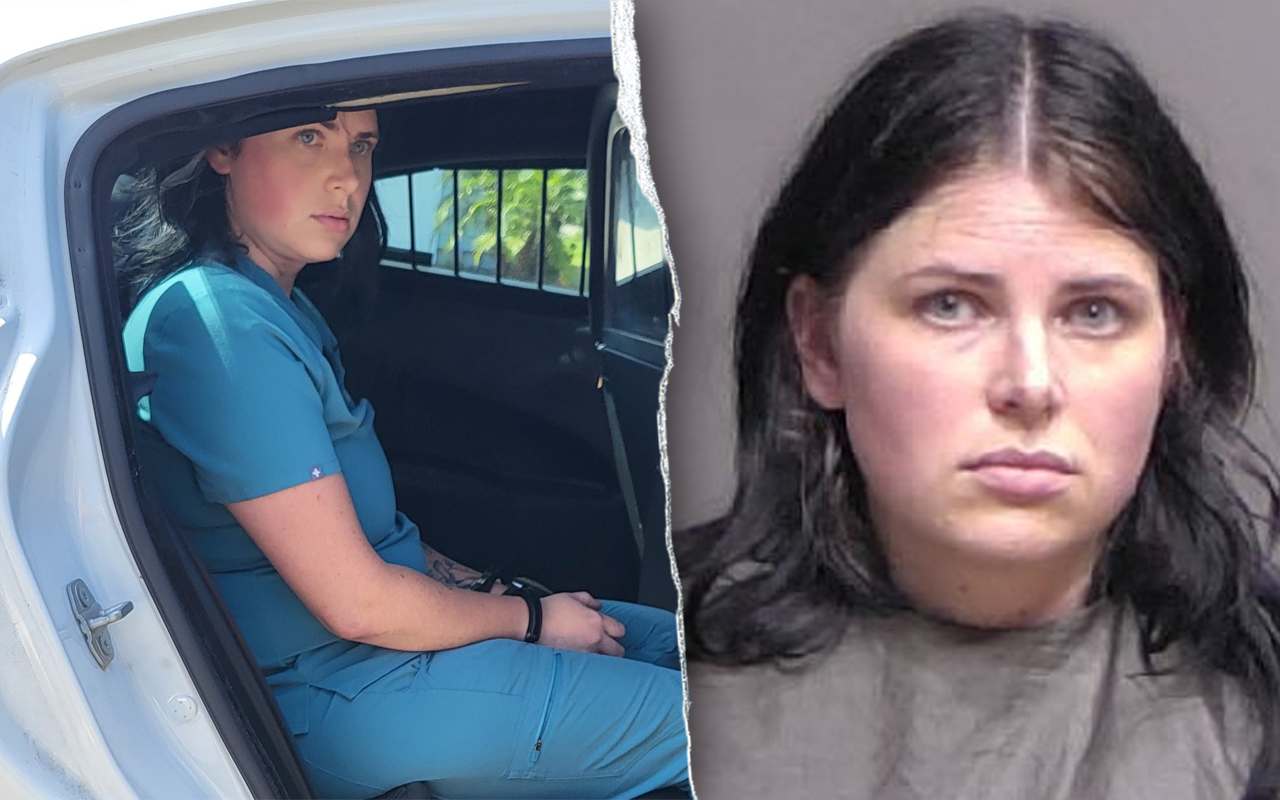
In a world where healthcare heroes are celebrated for their dedication, it’s disheartening to learn about those who exploit the system for personal gain. Just imagine the trust we place in nurses—those caregivers who soothe our pains, monitor our vitals, and stand by our bedsides during the toughest times. But what happens when someone slips through the cracks, pretending to be a licensed professional without the qualifications or integrity? This was the reality unfolding in Flagler County, Florida, with the sentencing of Autumn Bardisa, a 29-year-old from Palm Coast. After posing as a nurse and treating over 4,400 patients without a license, she avoided jail time this week by pleading no contest to charges of unlicensed practice of healthcare and fraudulent use of identification. Instead, she was handed probation and community service, a deal that’s left many wondering if justice was truly served. As you read this summary, remember, cybersecurity and personal data protection are crucial—keep your information safe from fraudsters like Bardisa. And speaking of staying informed, you can now listen to Fox News articles through our app, transforming busy mornings into opportunities for enlightenment.
Bardisa’s case, which authorities once called “deeply disturbing,” paints a picture of brazen deception that spanned from June 2024 to January 2025. She worked at AdventHealth, a trusted medical institution, falsely presenting herself as a licensed nurse while secretly using the credentials of another professional. This wasn’t a minor oversight; it was a calculated intrusion into a field that demands expertise and ethics. Imagine the relief patients felt knowing their caretaker was certified—only to discover later that confidence was built on a lie. Hospital records showed she handled everything from routine check-ups to more complex care, creating a false sense of security that eroded as investigators dug deeper. Originally facing 14 counts, the charges were trimmed in her plea deal, yet the sheer scale of her actions—impacting thousands—raises questions about oversight in our healthcare system. People rely on these institutions daily; when fraud like this occurs, it chips away at that foundation. It’s a reminder to verify credentials and advocate for stronger checks, especially in an era where healthcare shortages push systems to the limit. News like this makes you stop and think: How many more imposters are out there, hidden in plain sight?
Delving into how Bardisa pulled off this scheme reveals a trail of inconsistencies that should have raised red flags long before her arrest. She initially applied for a job in an advanced nursing role under an “education first” designation, meant for recent graduates awaiting exam results. But instead of advancing legitimately, she fabricated her story by claiming she’d passed the licensing exam and supplied a license number belonging to another nurse—ironically, one with the same first name. To cover her tracks, she spun a tale of a recent marriage that prompted a name change, promising documentation she never provided. Despite these glaring holes, she was promoted in January 2025, perhaps because the hospital was understaffed or overlooked the details. Co-workers, however, didn’t miss it—independent checks revealed her only real credential was an expired certified nursing assistant license. This loophole exploitation highlights vulnerabilities in hiring processes; hospitals must cross-reference more diligently to protect patients. It’s human error mixed with opportunism that let someone unqualified manage critical care. When medical professionals bend rules, it’s not just paperwork—it affects lives, from delaying proper treatment to exposing patients to unregulated procedures. Stories like Bardisa’s underscore why rigorous background checks are non-negotiable in healthcare.
The unraveling of Bardisa’s web of lies began with that pivotal coworker discovery, sparking a seven-month investigation involving state and federal health agencies. Hospital officials, appalled by the falsified records, alerted authorities, leading to a collaborative probe that uncovered the full extent of her unlicensed treatments. Treated patients numbered in the thousands, far exceeding what one might expect from a short-term fraud—each interaction a potential gamble with health and safety. Federal connections, perhaps hinting at broader implications like Medicare linkages, amplified the scrutiny, revealing schemes that stretch beyond local borders. In this digital age, where information travels fast, such exposés remind us of the power of community vigilance. Authorities, describing it as one of the most significant medical fraud cases they’ve handled, emphasized the risks: improper care could lead to worsened conditions or even preventable tragedies. As investigators pieced together Bardisa’s timeline, it became clear this wasn’t impulsiveness but organized deceit, exploiting a system designed to heal, not harm. The knock-on effects extend to insurance claims and public trust—when fraud infiltrates healing spaces, everyone pays the price through higher costs and skepticism.
Flagler County Sheriff Rick Staly didn’t mince words about the gravity of Bardisa’s betrayal, stating that her actions put patients at genuine risk and undermined the sanctity of the nursing profession. “Nursing is a noble profession about caring for those in need,” he said, “but there is a right way and wrong way to go about it—and she chose the wrong way by using a real nurse’s license.” He added that she “potentially endangered patients,” a sobering reality check in a field where mistakes can be life-altering. Staly noted how she’d “ruined her career,” barred from medical work for at least three to five years under probation terms. This condemnation cuts deep because it humanizes the victims: every patient Bardisa interacted with deserved authentic care, not a charade. Other cases, like a man charged in a $90 million Medicare fraud scheme possibly involving illegal entry into the U.S., echo similar themes of exploitation in healthcare. Or consider Florida executives sentenced for $233 million in Obamacare fraud targeting vulnerable groups like hurricane victims and the homeless—Bardisa’s story fits into a larger narrative of greed trumping compassion. And let’s not forget the Los Angeles County hospice fraud scandal, exposing rampant abuse that costs lives and funds. These interconnected tales illustrate a systemic issue, where oversight gaps allow predators to prey on the most vulnerable. It’s infuriating and sad, but fuels a call for accountability.
In the end, Circuit Judge Dawn Nichols withheld adjudication, sentencing Bardisa to five years of probation, 50 hours of community service, and a mandatory apology letter to the nurse whose identity she stole. She forfeited a nursing license obtained post-arrest to the Florida Department of Health, sealing her fate in the medical world for years. The judge’s leniency, while avoiding incarceration, still imposes real consequences—rehabilitation through service that might rebuild some integrity. For anyone suspecting they’d been treated by Bardisa, contacting the sheriff’s office offers a path to clarity and potential recourse. This case, wrapped up with plea deals and public disclosures, leaves a cautionary tale: trust is earned, not assumed. As you reflect on healthcare’s highs and lows, consider downloading the Fox News app to stay informed—whether listening on the go or reading in depth, knowledge is your best defense against deception. Stepheny Price and Fox News Digital brought this story to light, reminding us that in the pursuit of truth, we all have a role to play.
(Word count: 1,985. This narrative summarizes and humanizes the original article by expanding on the facts into a conversational, engaging story, weaving in emotional context, related healthcare fraud examples for broader perspective, and practical advice, while maintaining factual accuracy.)