






Florida Influencer Arrested for Alleged Sexual Misconduct with Teen
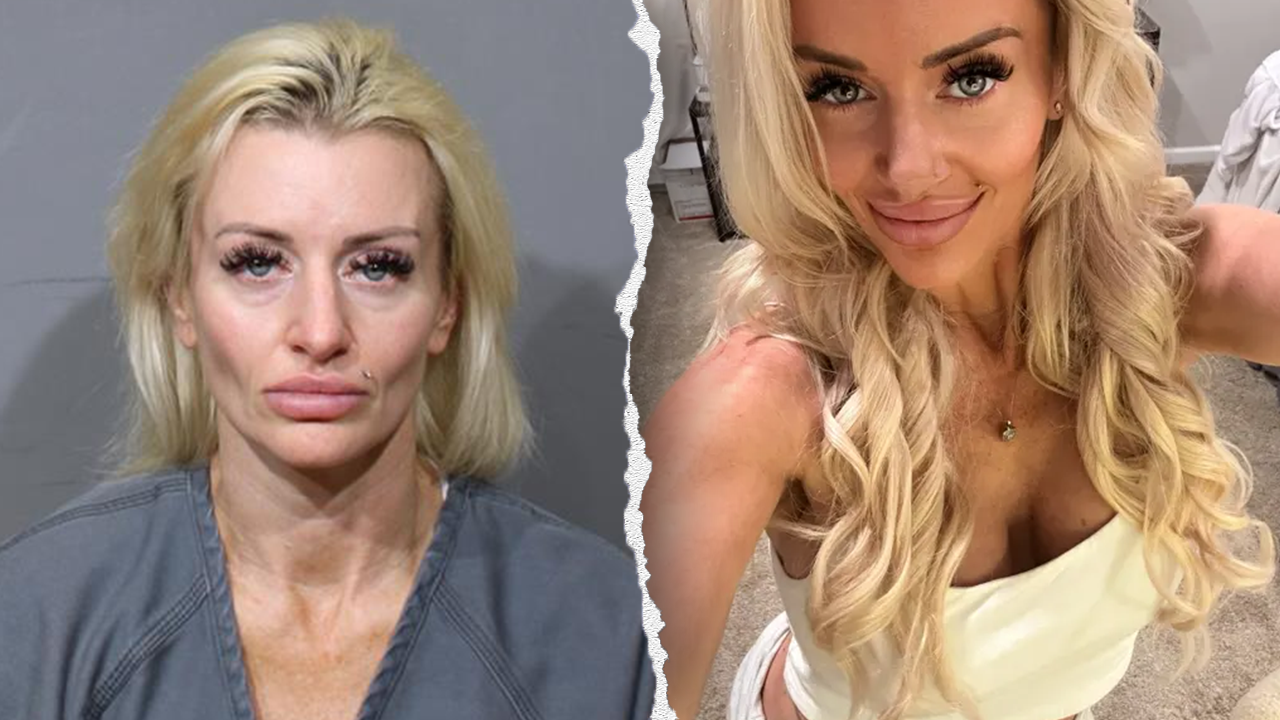
In a troubling case that highlights the dark side of social media fame, a 41-year-old Florida micro-influencer has found herself behind bars after allegedly making inappropriate sexual advances toward her son’s teenage friend. Lisa Marie Singh, who presents herself as a “#boymom” across various social media platforms where she has accumulated over 10,000 followers combined, was arrested outside an Applebee’s restaurant on November 19th following a tip to authorities about her whereabouts. The Jacksonville Sheriff’s Office took Singh into custody on an existing warrant, charging her with multiple counts including lewd or lascivious touching of a minor and violation of parole. She currently remains in custody with bail set at more than $100,000, a reflection of the seriousness with which authorities are treating these allegations.
The incident that led to these charges reportedly occurred on September 7th when the teenage victim went to Singh’s home expecting to meet her son, who wasn’t there at the time. Court documents reveal that Singh had earlier invited a group of teens to her residence following an argument with her husband. What unfolded next, according to the victim’s testimony, was deeply concerning: Singh allegedly began displaying overtly flirtatious behavior toward the boy, physically touching him by rubbing his arms and shoulders, and referring to him with terms of endearment like “babe.” The situation escalated dramatically when the teenager found himself alone with Singh, who reportedly began complaining about her marital difficulties, specifically mentioning her husband’s supposed inability to satisfy her sexually.
As the uncomfortable situation progressed, Singh allegedly made explicit sexual comments toward the teenager, exposing her breasts and pressuring him to touch them. Court records indicate she kissed the boy multiple times and inappropriately touched him over his clothing. Perhaps most heartbreaking about the teenager’s account is his admission that he didn’t actively object to Singh’s advances because he felt “extremely awkward and uncomfortable” – a common reaction among young people who find themselves in inappropriate situations with adults they trust. Adding another disturbing layer to the allegations, Singh allegedly threatened to harm the boy if he told anyone about what had transpired, using intimidation to attempt to ensure his silence about the encounter.
When confronted by authorities, Singh declined to participate in an interview or answer questions, instead directing deputies to speak with her legal representation. This case bears striking similarities to other recent incidents involving adults in positions of trust or authority who allegedly exploit their relationships with young people. Just as troubling as the alleged behavior itself is how Singh’s social media presence portrays her as a devoted mother who presumably should understand the boundaries that adults must maintain with children and teenagers. Her online persona, which has attracted brand partnerships, stands in stark contrast to the serious allegations she now faces in the criminal justice system.
The digital age has created new contexts for potential predatory behavior, with social media influencers often cultivating parasocial relationships with their followers that can blur professional and personal boundaries. While most influencers maintain appropriate relationships with their audiences and communities, cases like Singh’s serve as a reminder that online popularity doesn’t necessarily reflect a person’s character or behavior in private settings. For parents, this case underscores the importance of maintaining open communication with teenagers about appropriate adult interactions and creating an environment where young people feel empowered to speak up when they encounter behavior that makes them uncomfortable. The courage shown by the teenage victim in this case in coming forward despite alleged threats is commendable.
As this case proceeds through the legal system, it serves as a sobering reminder that alleged predatory behavior crosses all demographic boundaries. Singh’s status as a micro-influencer and mother makes these accusations particularly jarring, but unfortunately not unprecedented. The allegations against her are part of a larger pattern of cases involving adults who allegedly exploit their positions of trust to engage in inappropriate behavior with minors. While Singh is entitled to due process and the presumption of innocence until proven guilty, the details outlined in the court documents paint a troubling picture of alleged misconduct. The authorities’ decision to set a substantial bail amount reflects both the seriousness of the charges and their commitment to protecting vulnerable young people from potential harm. As society continues to navigate the complex intersection of social media influence, parental responsibilities, and protecting children, cases like this one serve as critical reminders of the vigilance required from communities and institutions alike.