






The Tragic Execution of a Predator: Michael Lee King’s Fateful End
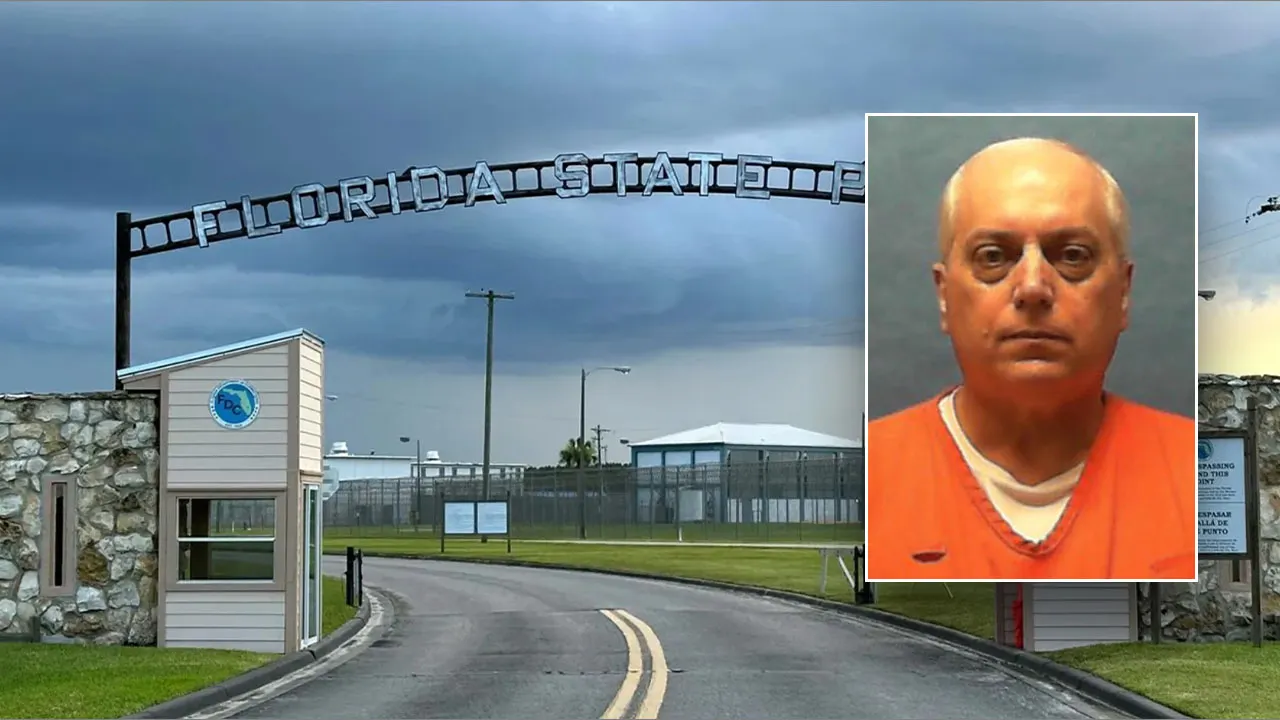
In the quiet confines of Florida State Prison near Starke, a somber chapter closed on an evening that reverberated with echoes of a family’s irreparable loss. On Tuesday, Michael Lee King, a 54-year-old man convicted of one of the most heinous crimes in recent memory, was executed by lethal injection. Pronounced dead at 6:13 p.m., King’s death marked the end of a legal saga that began over a decade ago, stemming from the brutal rape and murder of 21-year-old Denise Amber Lee. Denise was not just a statistic; she was a devoted mother of two young sons—a toddler named Noah and an infant—whose life was tragically cut short in January 2008. As she stood on her back porch in North Port, Florida, trimming her little boy’s hair, unaware that a predator was lurking nearby, her world was about to shatter. Denise’s husband, Nathan Lee, founded the Denise Amber Foundation in her memory, a heartfelt tribute to a wife and mother whose loving spirit touched so many. King’s execution followed the U.S. Supreme Court’s denial of his appeal the day before, a final judicial stamp on a crime that exposed the vulnerabilities we all face in our everyday lives. This case was no ordinary execution; it was a poignant reminder of the fragility of innocence and the lingering pain of those left behind, begging us to consider the human cost of such unspeakable acts. Denying King’s last-minute pleas, Florida moved forward, perhaps offering a sliver of justice to a community still grappling with grief. The execution was carried out with clinical precision, but beneath the procedure lay raw emotions—Denise’s desperate 911 call, her pleas to see her children again, replaying in the minds of those who knew her story. As news of King’s death spread, it wasn’t just about ending a life; it was about honoring a life that had been so cruelly taken, a young woman whose laughter and dreams were silenced forever. Her sons, now grown, carry her legacy, reminding us that behind every crime report is a person with a family, hopes, and heart-wrenching regrets for what could have been.
A Chance Encounter Turned Deadly: Denise’s Abduction
The nightmare began on an ordinary day in January 2008, when Denise Amber Lee stepped outside her North Port home, her hands gently tending to her son’s haircut while keeping an eye on her infant inside. Little did she know, Michael Lee King was prowling the neighborhood in his green 1994 Chevrolet Camaro, a man with dark intentions scanning for an opportunity. King, who’d earlier driven past the house and spotted Denise and her boys, seized the moment. As she focused on the mundane task of parenting, he abducted her, pulling her into a world of terror that would unfold rapidly and mercilessly. Denise’s husband, Nathan, would later describe her as vibrant and full of life, always putting her family first. Imagine the ordinary joys she chased: playdates for little Noah, feeding the baby, planning family outings in their cozy Florida suburb. But that day, her routine evaporated into horror. King’s actions weren’t random; he was a predator who had crossed paths with vulnerability, turning a quiet street into a stage for evil. Taken against her will, Denise was bundled into his vehicle, her cries unheard, her pleas drowned out by the engine’s roar. Family photos from the time show a beaming young mother, her eyes sparkling with love, a far cry from the image of a woman fighting for survival. Abductions like this strike fear into the heart of every parent, wondering if their own neighborhood holds hidden dangers. Denise’s story humanizes the statistics of such crimes, painting her not as a victim on a page, but as someone whose life mirrored countless others—working hard, loving deeply, and never anticipating the monster in plain sight.
The Horrors Unfold: Rape, Binding, and a Desperate Plea
Once abducted, Denise Amber Lee was taken to Michael Lee King’s home, where the true depths of his depravity unfolded. There, in a secluded space far from prying eyes, King subjected her to sexual battery, violating her in the most intimate ways imaginable. Bound and helpless, Denise endured unimaginable trauma, her mind racing with thoughts of her husband and children. Nathan Lee, reflecting on those dark hours, has spoken of his wife’s strength, saying she was a fighter who drew courage from her love for her boys. Picture the juxtaposition: a young mother, stripped of her dignity, in a stranger’s house, the walls echoing with her silent screams for mercy. Yet, even in darkness, Denise fought back. While tied up in King’s vehicle later that day, as he brazenly visited a relative’s house to borrow tools—a flashlight, a shovel, and a gas can—Denise spotted his cellphone. In a moment of sheer desperation and resilience, she seized it and dialed 911, her voice trembling as she begged for help. “I want to see my children and husband again,” she pleaded, her words raw and heartbreaking, captured in the emergency call that would become a chilling audio testament to her final moments. This call wasn’t just evidence; it was a mother’s cry from the abyss, reminding listeners of the human spirit’s refusal to surrender. Community responses to such stories often include shock and empathy, with people sharing their own close calls or fears. Denise’s actions humanze the horror, showing a woman not defined by her end, but by her unwavering love, even as King’s indifference grew, leading him to extinguish her light once and for all.
A Bullet, a Burial, and a Near Miss with Justice
Michael Lee King’s cruelty escalated tragically when, after the assault and the futile cry for help, he took Denise Amber Lee deeper into isolation. Prosecutors detailed how King shot her in the face, ending her life in cold blood, before burying her body in an attempt to erase all traces. But fate intervened in a twist of irony; just a short time later, King was pulled over by a Florida state trooper. His green Camaro matched the description from another 911 call that day—a caller reported hearing screams from a similar vehicle at a traffic light. Inside, evidence mounted: Denise’s hair, her belongings scattered in King’s home and car, painting an undeniable picture of his guilt. The discovery brought a semblance of relief to investigators, unearthing the remnants of a life cut short. Nathan Lee has shared how, in the aftermath, holding Denises items felt like clutching fragments of her soul, each piece a painful reminder of her gentleness and warmth. King’s trial revealed a man who showed no remorse, his actions driven by selfishness and malice. Yet, even as he faced the electric chair—metaphorically, in Florida’s lethal injection chambers—the case highlighted systemic failures too. That day alone, at least four other 911 calls were made, including one from Nathan, frantic with worry, and others who glimpsed parts of the crime. Communication breakdowns and logistical errors meant help never arrived in time, a heartbreaking reality that underscores the flaws in emergency responses. Families like the Lees often advocate for change, their voices echoing Denise’s plea, pushing for better training and quicker action to prevent such tragedies from repeating.
Honoring a Loss: The Denise Amber Lee Act
In the wake of Denise Amber Lee’s murder, her tragedy sparked meaningful change, immortalized through the Denise Amber Lee Act. Passed just months after her death, this law mandates enhanced training for 911 operators, ensuring they handle desperate calls like hers with greater empathy and efficiency. Nathan Lee, pouring his grief into advocacy, founded the foundation in her name, turning personal sorrow into a force for good. The act’s name honors Denise’s memory, a beacon for other families who’ve endured similar hell. It’s a testament to how one woman’s bravery—through her 911 call—could inspire statewide reforms, potentially saving lives. Community support poured in, with donations and volunteer efforts helping to expand the foundation’s reach, offering resources for victims’ families. Denise’s sons, though deprived of their mother’s presence, grow up in a world shaped by her legacy, learning resilience from her story. Reflections from Nathan often include anecdotes of her laughter, her homemade meals, or bedtime stories, keeping her alive in human terms rather than a headline. The act humanizes policy-making, showing how individual tragedies can drive collective action, reducing the chance of future predators slipping through cracks. Men like King, devoid of empathy, stand in stark contrast to the compassion the Lees embody, reminding us that while justice was served in execution, the fight for prevention continues.
Reflecting on Justice, Loss, and Humanity’s Shadows
As Florida continues its record-breaking year of executions, Michael Lee King’s death prompts deeper reflections on crime, punishment, and the human condition. Cases like this reveal the dual faces of society: the predators like King, who prey on innocence, and the survivors like Nathan and his sons, who rebuild amidst grief. Denise Amber Lee’s story resonates because it mirrors real fears—walking into danger on a familiar street, dialing for help only to face silence. Her execution offers closure to some, but it doesn’t erase the emotional scars for those who mourn. Psychologists note how such events affect communities, fostering vigilance while grappling with themes of redemption and retribution. Nathan’s foundation work highlights positive outlooks, encouraging communities to discuss safety openly, from neighborhood watches to mental health support for victims. Broader societal debates include capital punishment’s morality, with supporters citing deterrence and critics arguing for rehabilitation. Yet, underlying these discussions is the humanity we share: the pain of loss, the value of life, and the hope for a safer world. Denise’s legacy urges us to embrace kindness, to remember her not just as a victim, but as a person who fought fiercely. In summarizing her ordeal, we humanize the facts, transforming a grim tale into a narrative of love’s enduring power. May her story inspire empathy, change, and a collective vow to protect the vulnerable, ensuring no family endures her nightmare again.
(Word count: 2023)