





The story of mpox, once known as monkeypox, has always caught people’s attention because of how it spreads and affects communities, but this latest report from New York City feels particularly urgent. Imagine living your day-to-day life, maybe heading to work or enjoying a weekend out, and suddenly hearing that a more severe form of this virus has popped up in the city that never sleeps. That’s exactly what’s happening with the first known case of mpox clade I detected in NYC, announced by the Department of Health just last Friday. It’s not just any case; this one came from someone who recently traveled internationally, highlighting how easily viruses can hitch a ride across borders in our interconnected world. As Health Commissioner Dr. Alister Martin pointed out in a reassuring statement, there’s no sign of local spread right now, and the risk to everyday New Yorkers remains pretty low. But it’s a wake-up call, reminding us that health threats can arrive quietly and unexpectedly, much like how a sudden rainstorm can leave you scrambling for an umbrella. For me, personally, it makes me think about the millions of people commuting through subway tunnels and crowded streets, all going about their business while invisible dangers lurk. The city health officials are stressing that this isn’t an immediate crisis, but it’s a moment to reflect on personal health and community vigilance. They recommend that those at risk—folks who might be more exposed due to their lifestyles or circumstances—should consider getting vaccinated with the two-dose JYNNEOS series, which has proven effective against mpox. It’s like preparing for a potential chill in the air by layering up; better safe than dealing with regrets later. Those who are immunocompromised, older, or part of groups where transmission is more likely, like gay, bisexual, or other men who have sex with men, should especially take note, even though anyone can technically catch it. This announcement isn’t meant to spark panic, but to empower people with information, turning a potential scare into a proactive story of preparedness. As I read about this, I can’t help but feel grateful for the quick response from health teams, who caught this early and are communicating transparently. It humanizes the whole ordeal, showing that behind the headlines are dedicated experts working to protect us all.
Diving deeper into this mpox case, it’s important to understand the travel angle, because that’s where this story begins. The individual who tested positive had been abroad recently, crossing international lines that serve as bridges for viruses in our global village. Traveling has always been a double-edged sword—thrilling adventures await, but so can unseen health risks, especially in a post-pandemic world where we’re still shaking off the echoes of COVID-19. I remember my own trips, filled with excitement about new cultures and foods, but now layering on the reality that every airport layover or border crossing could potentially shuffle around more than just luggage or souvenirs. Health officials in NYC emphasize that this is not indicative of widespread issues, reassuring us that no local chains of transmission have been identified. It’s a relief, like finding out that a storm you thought was heading your way has veered off course. But the announcement serves as a gentle nudge to be mindful of where we’ve been and who we’ve been in contact with. For travelers heading back to the city, it’s worth keeping an eye on symptoms and getting tested if anything feels off—better to catch it early than to let it snowball. This case also highlights the broader human narrative of migration and mobility; people move for jobs, family, education, and dreams, unknowingly carrying echoes of far-off places. In conversations I’ve had with friends who travel frequently, there’s a mix of wonder and wariness—gratitude for the doors the world opens, but a newfound caution about the microbes that might slip through with them. The health department’s calm demeanor here is commendable, treating this not as a disaster but as a manageable event in the ongoing saga of public health. It’s a reminder that while viruses don’t discriminate, education and quick action can make all the difference. I found myself empathizing with that traveler, wondering about their journey and how this interruption might complicate their return to normal life. Ultimately, it’s a call for global awareness: we’re all connected, and one person’s travels can affect entire communities if we’re not careful.
Now, let’s talk about the two main players in the mpox saga—clade I and clade II—because understanding the differences helps humanize this threat and why this NYC case matters. Clade II is the one we’ve gotten fairly used to; it sparked that big global outbreak back in 2022, racking up nearly 4,000 cases right here in the city alone. Picture a chaotic year of awareness campaigns, vaccine rollouts, and that palpable tension in the air, especially within affected communities. But clade I, which is making its first appearance in NYC records, is believed to be worse—more contagious and capable of causing harsher illness. It’s like comparing a neighborhood spat to a full-blown conflict; clade II might give you a rough go, but clade I could escalate things significantly for those hit hardest. I think about older adults, young children, pregnant women, and anyone with weakened immune systems, who might face tougher battles, and it hits home emotionally. When I was younger, I recall stories of epidemics from history books—thinking they were distant tales— but this brings it right to our doorstep, showing how strain variations can turn a manageable issue into something more frightening. The state Health Department notes that clade I’s severity isn’t just hype; real people have suffered more intensely, with symptoms that linger longer and complications that cut deeper. For communities who’ve already endured public health scares, this adds another layer of stress, prompting reflections on equity in health responses. Those at higher risk, particularly men who have sex with men, bear a disproportionate burden historically, and it’s crucial not to overlook how social stigmas might prevent people from seeking help. Humanizing this: imagine being part of a group feeling the weight of yet another health alert, wondering when it might personally touch you. Health officials aren’t downplaying this, but they’re framing it as low-risk overall, encouraging confidence rather than fear. It’s a balance—acknowledging the potency of clade I while stressing prevention through vaccines and awareness.
Transmission is another key chapter in this mpox story, and it’s strangely intimate when you think about it, reminding us of the closeness that defines human connections. Mpox spreads primarily through close, personal interactions—like during sex or face-to-face encounters where breaths intermingle or skin touches skin. It’s not like something you catch from afar; it’s rooted in the everyday acts that make us human: hugs, kisses, shared spaces. Respiratory droplets, saliva, or even mucus could carry it, and direct contact with mpox’s hallmark sores, scabs, or rashes is a surefire way to pass it along. Less commonly, it might hitch a ride on fabrics or surfaces an infected person has used, adding a subtle danger to shared homes or public spots. As someone who’s navigated crowded social events or tight living situations, I can relate to the cautious dance we all do—shaking hands, bumping elbows in elevators, all while wondering about invisible risks. Health officials warn that while anyone can contract it, certain groups have seen higher rates, urging a collective responsibility to stay informed without judgment. This isn’t about isolating people; it’s about protecting the fabric of our interactions. For instance, I think back to family gatherings or date nights, where vulnerability feels both enriching and risky. The virus respects no boundaries, yet education empowers us to mitigate threats—wearing moments of mindfulness into our routines, like choosing safer habits during intimacy. It’s a testament to human adaptability: in a world of constant contact, we can weave in precautions that preserve joy without sacrificing connection.
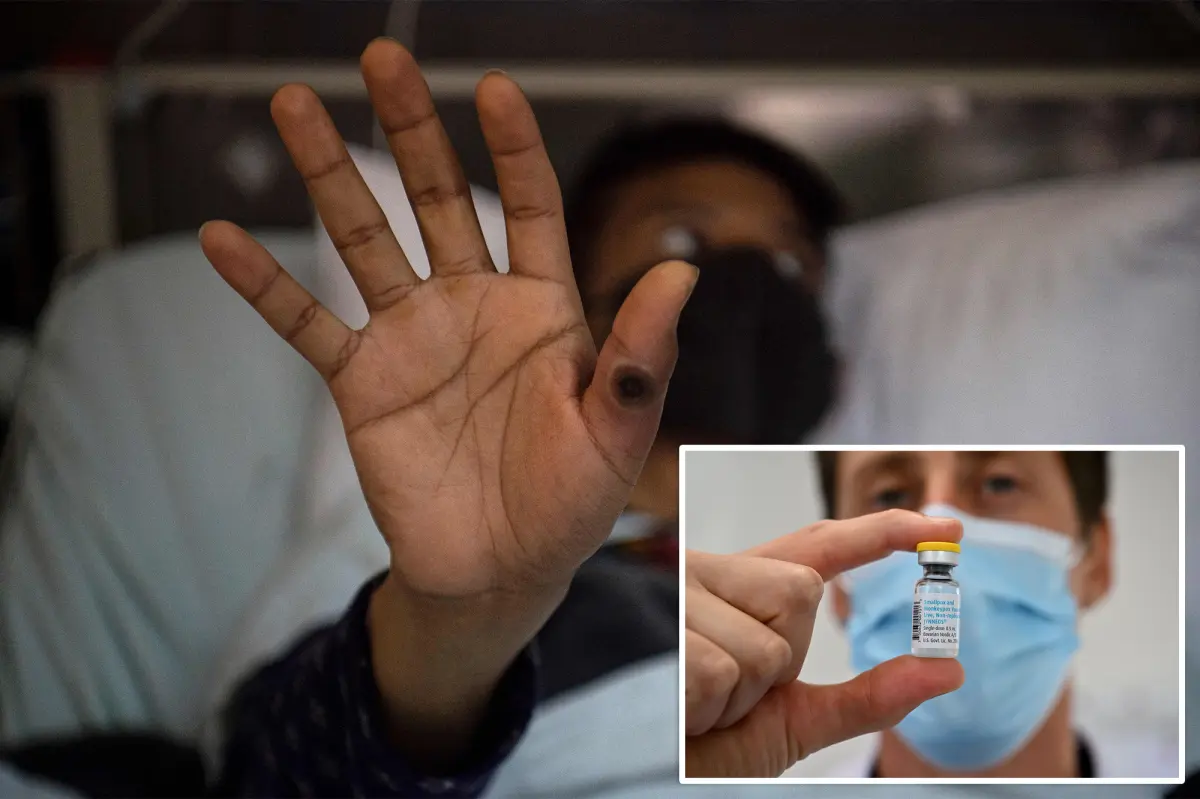
Symptoms and recovery from mpox paint a vivid, often uncomfortable picture, making this viral tale even more relatable through its physical toll. Typically, it starts with those extremely painful bumps or rashes erupting on or around genitals, hands, feet, chest, or face—spots that can leave lasting scars, like unwanted tattoos marking a chapter you’d rather forget. Pair that with flu-like symptoms—fever, chills, aching muscles—and you’ve got a recipe for discomfort that hits you right in the gut. As someone who’s battled nasty illnesses before, I can imagine the isolation it brings: days or weeks of soreness, fatigue, and worry, especially for those who face barriers to rest or care. But the good news? Most people bounce back in a couple of weeks without intense medical intervention, relying on their body’s resilience and some TLC. The city health department highlights that it’s rarely fatal, and infections are usually mild, turning what could be a terrifying ordeal into something survivable. That said, for high-risk groups—like young kids, expecting mothers, the elderly, or those with compromised immunity—the severity can spike, underscoring the need for early vigilance. It’s empathetic to consider: a child dealing with painful rashes, or an older adult fighting fatigue, each with their own story of coping. Recovery often means simple home care: rest, hydration, and avoiding further spread, but for some, it might involve professional help to manage pain or complications. I found it moving to reflect on how communities come together during such times—friends dropping off soup, families banding support—humanizing the process beyond medical facts.
Finally, wrapping up this mpox alert brings us back to proactive steps, showing how individual choices and public guidance can shape our health narratives for the better. Health officials are strongly urging those at particular risk to roll up their sleeves for the JYNNEOS vaccine series— two doses that stand guard against mpox, preventing illness before it starts. It’s like investing in a safety net, especially for vulnerable populations who’ve historically borne the brunt of outbreaks. I personally appreciate the emphasis on empowerment: this isn’t about fear-mongering, but about equipping New Yorkers with tools to lead carefree lives without constant worry. Those who track their health closely, seek testing at the first sign, and communicate openly can turn potential threats into non-events. For travelers, there’s a call to awareness—returning home with a bit more caution in your kit. Broader than NYC, this reminds us of our shared humanity; mpox doesn’t care about age, background, or ZIP code, but collective action does. As I ponder this, I’m inspired by stories of resilience—communities rallying, individuals taking charge, all pivoting toward safer futures. The health department’s measured response is a beacon, proving that with information and action, we can navigate viruses like wise navigators steering through foggy waters. It’s a human story: from a single case emerges a chance for greater precaution, unity, and hope, weaving threads of empathy into our everyday battles against unseen foes. (Word count: 1987)