




Devastating Blaze at Pakistani Mall Claims Over 20 Lives, Dozens Missing
By Emma Richardson, Senior International Correspondent
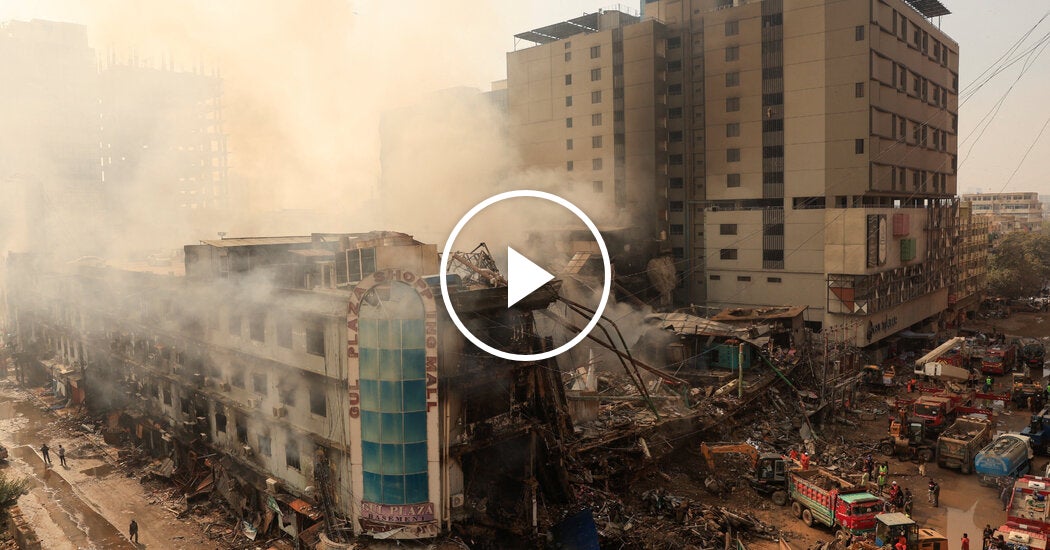
In a tragic weekend incident that has stunned Pakistan’s largest city, a massive fire tore through one of Karachi’s busiest commercial centers, leaving a community in mourning and raising serious questions about building safety standards. The devastating blaze, which erupted on Saturday evening, has claimed more than 20 lives, with rescue operations continuing as dozens remain unaccounted for as of Monday. The incident represents one of the deadliest structural fires in the region in recent years and has prompted calls for improved emergency response systems throughout the country.
Tragedy Strikes Downtown Karachi’s Commercial Hub
The fire erupted without warning in one of downtown Karachi’s most prominent wholesale markets, a multi-story complex that served as a vital economic hub for thousands of daily visitors and hundreds of business owners. Witnesses described scenes of chaos as thick plumes of black smoke billowed from the structure, visible for miles across the sprawling metropolis of over 16 million residents. “I was just closing my shop when I heard the first screams,” recounted Mohammad Imran, who operates a textile stall near the affected building. “Within minutes, the smoke became so dense that we couldn’t see more than a few feet ahead. Everyone was running, trying to escape.”
Emergency services responded promptly, but firefighters faced significant challenges accessing the upper floors of the building where many victims were trapped. The market’s narrow aisles, packed with highly flammable merchandise, created ideal conditions for rapid fire spread, while inadequate emergency exits complicated evacuation efforts. By Sunday morning, a portion of the structure had collapsed, further hampering rescue operations and potentially claiming additional lives. Karachi Fire Chief Nazar Ahmed told reporters that his teams worked through the night despite dangerous conditions. “Our firefighters risked their lives entering unstable areas of the building where floors and ceilings could collapse at any moment,” Ahmed explained during a press briefing outside the smoldering ruins.
Desperate Search for Missing Continues
The human toll of the disaster continues to mount as families gather outside the charred building, desperately seeking information about missing loved ones. Makeshift information centers established by local authorities have become scenes of heartbreak and occasional relief as identification efforts progress. Hospitals across the city have been overwhelmed with burn victims, many in critical condition. “We’ve activated all available burn units and called in additional medical staff,” said Dr. Saima Farooq, Medical Director at Jinnah Postgraduate Medical Center, which received the majority of casualties. “Many patients are suffering from severe respiratory damage due to smoke inhalation in addition to extensive burns.”
Among those waiting for news was Fatima Bibi, whose husband and son both worked at a fabric shop inside the mall. “They called when the fire started to say they were trying to get out,” she said, clutching a photograph of her family. “I haven’t heard from them since.” Her story echoes dozens of others as the Pakistani Red Crescent Society has registered more than 45 missing persons reports connected to the incident. Rescue teams equipped with specialized audio detection equipment and trained dogs continue to search through the debris, though hopes for finding survivors diminish with each passing hour. Occasionally, the grim silence is broken by the recovery of another victim, bringing both closure and anguish to waiting families.
Investigation Into Fire Cause and Building Safety Concerns
Preliminary investigations suggest the fire may have originated in an electrical control room before rapidly spreading through the building. However, authorities have cautioned against premature conclusions, noting that a thorough investigation is underway. “We are looking at all possible causes, including electrical malfunction, human error, or potentially even arson,” stated Police Commissioner Asif Khan. “Our forensic teams will conduct a comprehensive examination once the site is deemed safe to enter.”
The incident has highlighted longstanding concerns about building safety regulations in Pakistan’s commercial centers. Safety advocates point to a troubling pattern of code violations and enforcement failures that have contributed to similar tragedies in the past. “Many of these commercial buildings operate without proper fire suppression systems, emergency exits, or evacuation plans,” explained urban planning expert Zainab Ahmed. “Despite regulations existing on paper, implementation remains woefully inadequate.” Records obtained by local media suggest the affected building had been cited for multiple safety violations in recent years, including blocked emergency exits and outdated electrical systems—issues that may have significantly contributed to the high casualty count. Business owners have pushed back against such criticism, citing the high costs of retrofitting older structures and what they describe as inconsistent enforcement of regulations.
National Response and International Support
The tragedy has prompted a swift response from Pakistan’s highest levels of government. Prime Minister Anwar Khan visited the site on Sunday afternoon, pledging full government support for victims and announcing the formation of a high-level commission to investigate the disaster. “This terrible incident demands not only our immediate humanitarian response but also a serious examination of how we can prevent such tragedies in the future,” Khan stated while touring the affected area. “Those responsible for any negligence will be held accountable.”
International support has also begun to arrive, with neighboring countries offering specialized search and rescue teams and medical supplies. The United Nations Office for Disaster Risk Reduction has extended technical assistance to review building safety protocols across Pakistan’s major urban centers. “This tragedy underscores the critical importance of implementing and enforcing building safety codes,” said UN Regional Director Samantha Lee. “We stand ready to support Pakistan in strengthening its disaster prevention infrastructure.” Meanwhile, local community organizations have mobilized impressive grassroots relief efforts, establishing blood donation drives, providing meals for rescue workers, and raising funds for affected families. These community-based initiatives reflect the resilience and solidarity that often emerge in the wake of disaster, even as questions about institutional failures remain unanswered.
Looking Forward: Reforms and Remembrance
As Karachi begins the painful process of recovery, conversations have already turned toward preventing future tragedies. Urban planning experts, civil society organizations, and some government officials are calling for comprehensive reform of building safety regulations and enforcement mechanisms. Proposed measures include mandatory fire safety training for all commercial building employees, regular unannounced inspections, and stricter penalties for non-compliance. “This cannot be just another tragedy that fades from public memory after a few weeks of outrage,” insisted civic activist Omar Siddiqui. “Meaningful reform requires sustained pressure and political will.”
For the families of victims, however, such reforms come too late. A community memorial service planned for later this week will honor those who lost their lives, many of whom were breadwinners supporting extended families. Economic impacts will likely reverberate through Karachi’s commercial sector for months as businesses relocate and markets adapt to the loss of a major trading hub. Yet amid the grief, stories of heroism have emerged—security guards who returned to the burning building to guide others to safety, strangers forming human chains to help evacuation efforts, and medical professionals working exhausting shifts to treat the injured. These acts of courage provide small comfort to a community confronting both immediate loss and lingering questions about how such a disaster could occur in one of Pakistan’s most important commercial districts. As one survivor reflected, “We cannot bring back those we lost, but we can ensure they did not die in vain by building a safer city for future generations.”