


Federal Authorities Launch Major Anti-Fraud Operation in Minnesota
In a significant move to combat widespread fraud, the Department of Homeland Security announced Tuesday the launch of a “massive operation” in Minnesota aimed at identifying, arresting, and removing criminals who are defrauding American taxpayers. “We will root out this rampant fraud plaguing Minnesota,” the agency declared on social media, signaling a serious commitment to addressing what appears to be systemic issues in the state. This announcement follows mounting pressure after several fraud schemes have come to light in recent weeks, resulting in dozens of arrests and indictments across Minnesota. The operation represents an escalation in federal involvement in what has become a politically charged situation, with both law enforcement agencies and elected officials expressing grave concerns about the potential misuse of government funds.
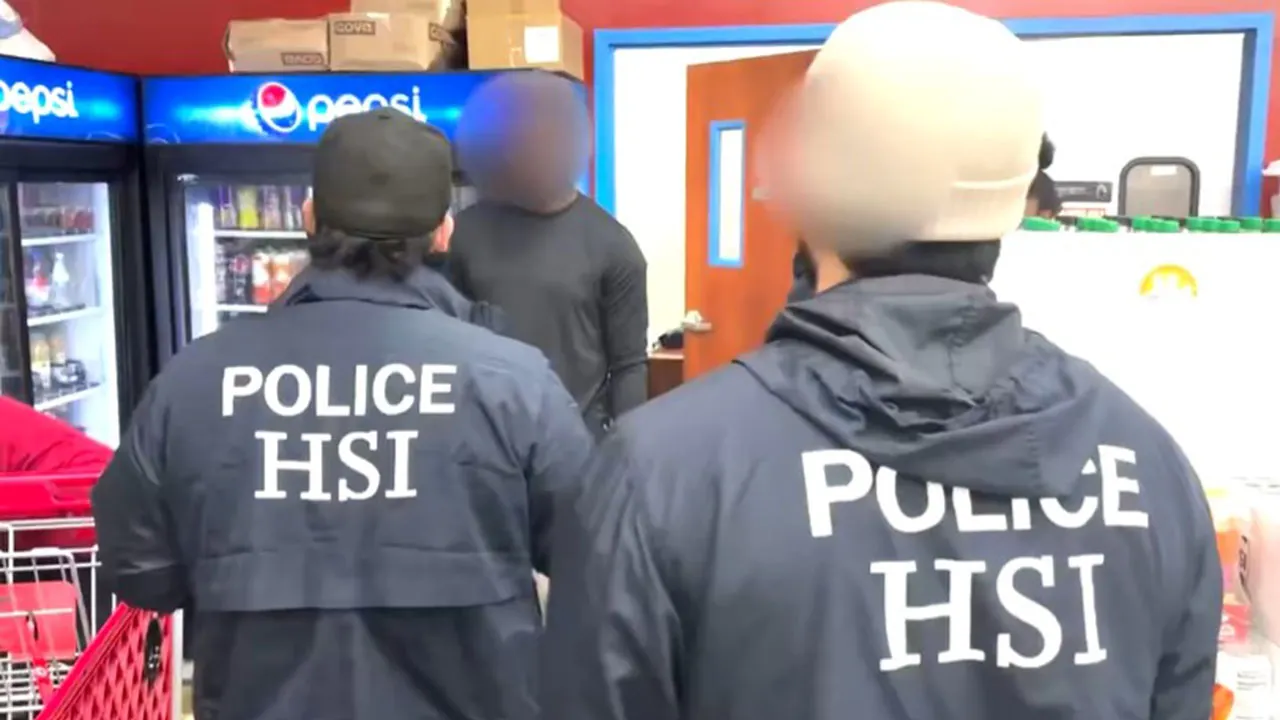
The current crackdown follows directly on the heels of viral footage released by independent journalist Nick Shirley that raised serious questions about childcare and learning centers in Minnesota. The video, which quickly gained traction on social media platforms, showed numerous facilities that appeared to be non-operational despite allegedly receiving millions in government funding. This grassroots investigation sparked immediate reactions from lawmakers and prompted Homeland Security Investigations agents to begin door-to-door questioning of businesses across Minneapolis. The visual evidence presented in these recordings has become a flashpoint in discussions about oversight and accountability for public funds, particularly in programs designed to support vulnerable populations during times of crisis.
Minnesota has been under increasing scrutiny since the uncovering of the “Feeding Our Future” scandal, a scheme that diverted at least $250 million in federal food aid that was intended for children during the COVID-19 pandemic. FBI Director Kash Patel highlighted the severity of the situation, noting that the bureau had moved additional resources into the state specifically to address these concerns, and characterized the known fraud as potentially just “the tip of a very large iceberg.” This comment suggests federal authorities believe the problem may be far more widespread than currently documented. The daycare center investigation appears to be part of a broader examination of how various government assistance programs may have been exploited in Minnesota, raising questions about the total financial impact on taxpayers.
The situation has inevitably taken on political dimensions, with Republican lawmakers criticizing Minnesota Governor Tim Walz for what they characterize as insufficient oversight of taxpayer funds. Some critics have suggested that more rigorous monitoring systems could have prevented such widespread abuse. These accusations have placed state leadership on the defensive, as questions multiply about how such extensive fraud could have occurred within multiple assistance programs simultaneously. The controversy comes at a particularly sensitive time, as debates about the efficiency and integrity of government assistance programs continue to divide public opinion nationwide, with this Minnesota case now serving as a prominent example in those discussions.
State officials have responded by defending their oversight processes while acknowledging the need for further investigation. At a Monday press conference, Minnesota Department of Children, Youth and Families Commissioner Tikki Brown addressed the allegations directly, stating that prior inspections of the centers in question had not uncovered fraud. She did, however, confirm that regulators were conducting additional unannounced visits to review concerns raised by the viral video. “While we have questions about some of the methods that were used in the video, we do take the concerns that the video raises about fraud very seriously,” Brown stated, attempting to balance skepticism about the investigative approach with recognition of the legitimate issues it may have uncovered.
This developing situation highlights the complex challenges of ensuring accountability in government assistance programs while maintaining essential services for those who genuinely need them. The federal operation in Minnesota represents a significant investment of investigative resources and suggests authorities believe the problem is serious enough to warrant extraordinary measures. As the investigation unfolds, it will likely raise important questions about the balance between accessibility and security in public assistance programs, the role of oversight in preventing fraud, and the responsibilities of both state and federal authorities in protecting taxpayer dollars. The outcome may well influence policy approaches to program integrity across the country, as officials attempt to learn from what appears to be a systemic vulnerability in Minnesota’s implementation of various assistance initiatives.