



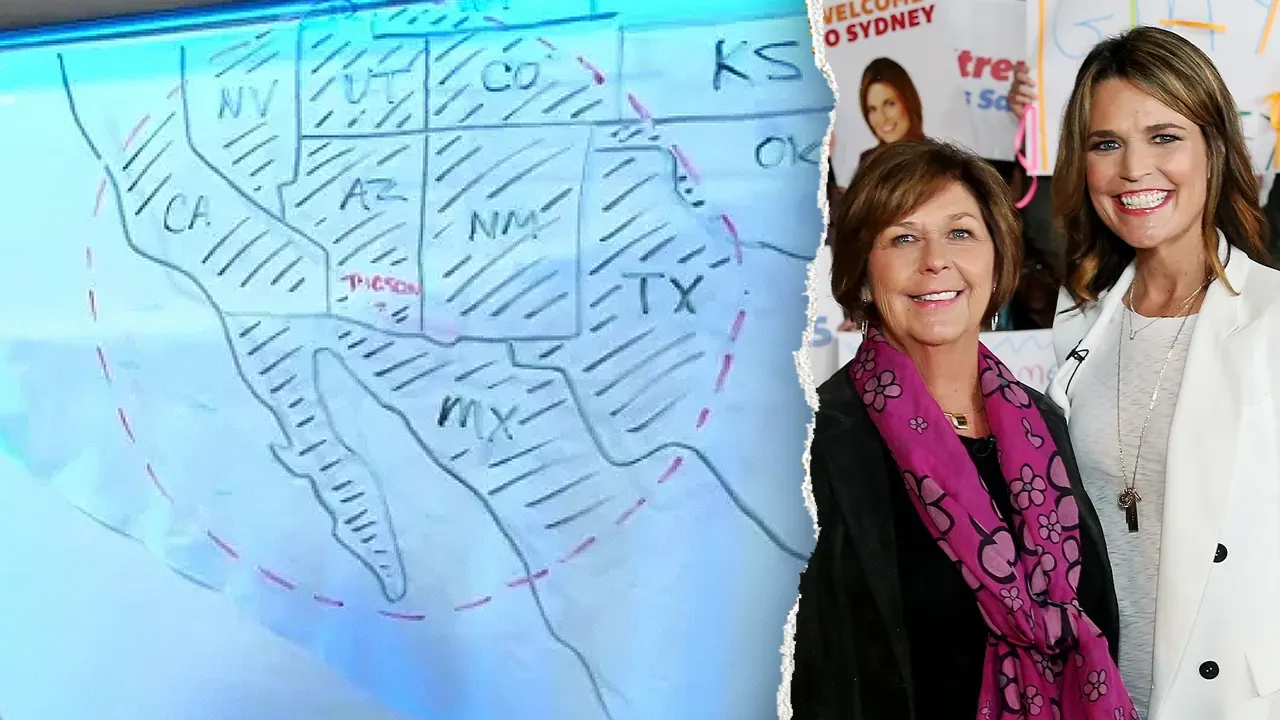
In the quiet suburbs of Tucson, Arizona, a family’s nightmare began on a seemingly ordinary evening in late January 2026. Nancy Guthrie, a beloved grandmother in her early 70s, had just been dropped off at home by her family after a pleasant outing. Little did anyone know that the night ahead would spiral into one of the most talked-about missing persons cases in the country. Imagine her family waving goodbye, perhaps lingering for a hug or a chat about the day’s events, then driving away as the garage door hummed shut around 9:50 p.m. By the next morning, Nancy was gone, sparking a massive investigation that would draw not just local authorities but the full weight of the FBI. Her pacemaker disconnecting at 2:28 a.m., a doorbell camera glitching at 1:47 a.m., and motion detected by a security camera at 2:12 a.m.—these eerie timestamps paint a picture of a home that felt safe suddenly turning sinister. As days turned into weeks, with family members frantically calling 911 at 12:03 p.m. the following day after she missed church, the case took on new urgency. Enter the FBI, who just ramped up the reward from an initial amount to a staggering sum, hoping to unlock the secrets someone out there might be holding. It’s a move that feels personal, like tugging at heartstrings in a community desperate for answers. Former agents, with their years of chasing shadows in dark corners, weigh in now, turning this into a human story of hope, strategy, and the relentless grind of solving mysteries. They say this isn’t a sign of panic but a calculated play to widen the net, drawing in those who might know more than they’re letting on. Picture the average neighbor, scrolling through their phone, perhaps catching wind of that reward and thinking, “What if I saw something?” It’s a cascading effect, where one small memory could unravel the whole puzzle. And for Nancy’s loved ones, it’s a beacon in the fog, a promise that justice isn’t out of reach. But it’s also a reminder of how fragile our everyday lives are, how a simple drop-off can lead to endless “what ifs.” The FBI’s announcement rings out loud and clear in Tucson, echoing off the quiet streets where Nancy once walked. Retired Supervisory Special Agent Scott Duffey, a veteran with countless fugitive chases under his belt, breaks it down with the wisdom of someone who’s stared down hopelessness before. He believes the timing—nearly two weeks in—is perfect for boosting the reward, not because things are lagging, but to target exactly the right people: insiders. “Start high, and you attract the family, friends, or colleagues of those involved,” Duffey says, his voice carrying the weight of experience. From his days working cases where smaller rewards, say $2,500 to $5,000, still brought in game-changing tips from loved ones, he knows the pattern. Insiders, he explains, are often the ones who crack these ordeals because they feel the pull of conscience or communality stronger than strangers do. It’s like the FBI’s Most Wanted list, dangling million-dollar carrots to reel in that crucial ‘inside’ info. Yet, Duffey cautions us not to get too excited about the steady stream of leads trickling in. “Steady, sure,” he admits, “but often bogus or low-value.” In the rush of public fervor, people call with wild theories or vague recollections, flooding the tip lines. It’s a human mess, really—a mix of genuine concern and misguided enthusiasm. He points to real cases, like one from Brown University, where a breakthrough came not from cold cash incentive but pure goodwill, someone stepping up because it felt right. Duffey humanizes this by reminding us that rewards are just tools; the real heroes are the tipsters who see beyond the dollar sign to the faces behind the headlines. For Nancy’s family, this must feel like a double-edged sword: hope bolstered, yet patience tested. As more details emerge, like DNA evidence suggesting bleeding from hands or face, and sightings of a man with backpacks in surveillance footage, every lead is pored over. Duffey’s insights make you picture the investigators as quiet warriors, sifting through noise to find the signal. And in Tucson, where community ties run deep, this reward bump could be the nudge that turns whispers into shouts for truth.
Former FBI agent Nicole Parker chimes in with a practical, down-to-earth perspective that cuts through the drama, making the reward strategy feel almost commonsensical. “It’s about motivation,” she explains, like chatting with a friend over coffee about getting kids to clean their rooms with a little extra allowance. People, she says, might sit on juicy details if the payout seems too small to offset the risks—like ratting out someone close or dealing with the aftermath. But hike it up, and suddenly the scales tip; a tip that once felt burdensome becomes worth it. In the Guthrie case, where a mysterious Bitcoin demand appeared (allegedly from someone fishing for crypto in exchange for info), the FBI’s move counters those opportunistic games. Parker sees it as a bold declaration: “We’re serious—come forward with credible goods.” It’s a psychological chess move in an investigation that’s not just about forensics but about human nature. She knows firsthand that quality tips are gold in these scenarios, leading straight to arrests and recoveries. For Nancy, a woman who probably doted on grandkids and enjoyed simple pleasures like church gatherings, this is more than strategy—it’s a lifeline. Parker paints a vivid scene of everyday folks, perhaps her own neighbors, re-watching old footage or recalling odd encounters because now the reward feels substantial enough to act on. “They hop to it,” she says, envisioning people rummaging through old security cams, double-checking alibis. And if it drowns out the extortionists trying to exploit the tragedy? Even better. In a case rife with speculation—from elite video units spotted at Nancy’s home to probes into nearby vehicles—it grounds us in reality. Tipsters aren’t just faceless callers; they’re community members grappling with ethics and empathy. If Parker’s theory pans out, we might see a flood of real leads soon, transforming armchair sleuths into unsung heroes. It’s a testament to how incentives can coax human compassion into guiding justice, turning a quiet Tucson evening into a nationwide call to action.
Joe Cardinale, another retired FBI supervisory special agent, adds a layer of calm assurance, emphasizing that this reward boost isn’t born of desperation but from the natural rhythm of any serious probe. At day 13, almost two full weeks, with Nancy still missing, escalation feels inevitable—like turning up the heat in a slow-cooking stew to coax out flavors. “It’s just progression,” Cardinale says, his tone steady and reassuring, echoing the methodical pace of real detective work. He envisions the team now prompting folks to dig deeper: recheck cameras, notice tiny details like a figure in surveillance walking miles from the scene, carrying backpacks that could hold clues. It’s human, this act of revisiting routines, almost therapeutic in a crisis. Picture someone pawing through dusty attic boxes of old tapes, fueled by a mix of civic duty and that enticing reward. Cardinale ties it back to procedural integrity, slamming the door on shady plays like the Bitcoin ploy. “If someone’s shouting for upfront crypto without info, that’s extortion,” he notes, potentially criminal territory for anyone trying to cash in prematurely. Legit tipsters? They follow the silent, assigned-number system, getting paid quietly if their lead pans out. On the investigative front, he’s impressed by the on-ground dynamism: extending perimeters, deploying dogs, drones, even helicopters for grid searches. “They’re ruling out possibilities,” he explains, methodically eliminating red herrings like unrelated hikers. Forensic care is his other highlight—protecting details like measurements from footage to avoid tipping off suspects. “Don’t give away what you’re zeroing in on,” he advises, turning the mystery into a cloaked game. For Nancy’s kin, enduring photos of vehicles at her home or debates over holster setups (dubbed amateurishly unsafe), this steady march offers solace. Cardinale’s view humanizes the bureau as patient pros, not panicking heroes, building a case brick by brick. It’s a reminder that in tragedies like this, progress creeps forward through diligence, not drama, and that reward hikes are levers pulling humans toward humanity’s better angels.
As the investigation unfolds, the human cost becomes impossible to ignore, weaving through every expert opinion and procedural detail like an undercurrent. Nancy Guthrie wasn’t just a name in a headline; she was a person with a life rich in family bonds, likely filled with laughter from grandchildren, quiet joys of church, and those daily routines that define us all. Her disappearance on that fateful night—family farewell at 9:30-9:45 p.m., garage shutting at 9:50—strikes a chord because it mirrors everyday American lives: trust in familiar streets, reliance on tech like doorbells and pacemakers (her angle rock painting a grim picture of distress). The FBI’s reward increase feels like a communal plea, inviting introspection from neighbors who might have glimpsed something—a strange car, a figure in the shadows—during those narrow windows. Stepheny Price, the reporter covering this, notes the steady leads, yet the former agents warn of their often illusory nature, bogus calls that waste time and stretch emotions thin. It’s here that the humanization peaks: agents like Duffey, Parker, and Cardinale aren’t detached analysts but empathetic guides, drawing from personal wars with fugitives and unsolved riddles. Imagine the families, scrolling viral footage circulating online, urging caution as speculation heats up. Then there’s the tech side—elite video units at Nancy’s home, timestamps piecing together intrusions—highlighting how our digital worlds, meant for security, become double-edged swords. Communities rally, sharing footage from ring cams, but it’s tinged with fear: what if the perpetrator lurks nearby? The reward counters this by empowering silent witnesses, turning potential bystanders into active participants. In essence, this isn’t just a case; it’s a mirror to society’s pulse, where hope battles despair, and small acts of courage—motivated by conscience or cash—could bring Nancy home. As days drag on, the narrative bulges with emotion: family vigils, sheriff’s canvasses for truck footage, and the palpable tension in Tucson. Experts stress it’s not about money solving everything, but harnessing human instinct to act. For those following along, it’s a stark lesson in vulnerability, yet a powerful testament to collective resolve.
Shifting gears, the investigators’ meticulous spread—a perimeter push, canine deployments, aerial scouts—underscores the grunt work beyond rewards and tips, painting an image of tireless pursuit in hostile terrain. Joe Cardinale paints vivid pictures: dogs sniffing for scents in rugged Tucson landscapes, drones whirring overhead to survey grids, helicopters sweeping for overlooked clues. “They’re eliminating layers,” he says, methodically dismantling possibilities like that intriguing figure spotted with backpacks, potentially miles from Nancy’s address. If unconnected, it’s a dead end, but ruling it out prevents tunnel vision. This expansion feels pragmatic, a nod to real-world searches where evidence hides in bushes or drainage ditches. Back to the experts, Duffey’s fugitive wisdom shines, recalling how insider tips often spring from guilt-riddled confidants rather than reward chases. It’s personal: he envisions estranged relatives, burdened by secrets, finally breaking silence for closure. Nicole Parker’s motivation talk adds depth—people aren’t robots; they’re swayed by incentives, especially when credible tips could mean safety restored. The Bitcoin subplot adds intrigue, a modern twist on old extortion, where transparency separates genuine helpers from opportunists. Surveillance details, like motion at 2:12 a.m., become storytelling hooks, evoking a home violated. DNA splatter, holster critiques—all scream humanity: Nancy wasn’t just present; she fought or bled, leaving traces for forensics. As perimeter searches yield ground, perhaps uncovering vehicles or footprints, the story evolves from static timeline to dynamic hunt. Community tips, spurred by rewards, flood in, each call a micro-drama of hope and heartbreak. Former agents warn against over-reliance on volume, urging quality over quantity, yet in Nancy’s void, any thread matters. Tucson residents, attuned to this local horror, might reflect on their own securities, tightening cams after bedtime. For families like Nancy’s, this broadening search is a hug in absentia, promising no stone unturned. It’s detective work at its most visceral, blending tech, instinct, and endurance.
In wrapping up this unfolding saga, the reward escalation stands as a strategic masterstroke, humanizing a federal operation into relatable stakes for everyday Americans. Former agents like Duffey stress its insider lure, Parker its tip tease, Cardinale its investigative cadence—together crafting a narrative where breakthroughs hinge on human connections. Nancy’s story, with its poignant timeline from drop-off to disappearance, became a catalyst for widespread vigilance, from ring doorbells to neighborhood watches. The FBI’s guarded release of images and measurements hints at strategic opacity, keeping suspects off-balance. As leads persist, the imperative becomes sifting invaluable gems from chaff, guided by experience rather than haste. For Stepheny Price and the team at Fox News, this is pulse-pounding journalism, accessible now through audio for those on-the-go. Yet, beneath the expertise lies empathy for the Guthrie family, enduring watchful waits. The investigation’s extensions—perimeters expanding, tech deploying—signal optimism, a collective sigh that justice inches closer. In Tucson, Nancy’s echo resonates, urging all to ponder security and solidarity. If reward spurs revelation, it could end agony; if not, it reinforces communal grit. This case transcends crime to embody resilience, where one woman’s absence rallies a nation, word by word. And as new details emerge, from vehicle probes to drone views, the human element endures: we’re all potential witnesses to tomorrow’s triumphs. For Nancy, turned invisible overnight, this is the crescendo of hope, amplified by voices past and present. If you have insights, act swiftly—your tip might rewrite fates. In the end, it’s life’s fragility that unites us, turning strangers into saviors through shared humanity. Listen closely; stories like these demand attention. Keep tuned for Fox News updates.