




Federal Authorities Unravel Halloween Terror Plot with New Arrests
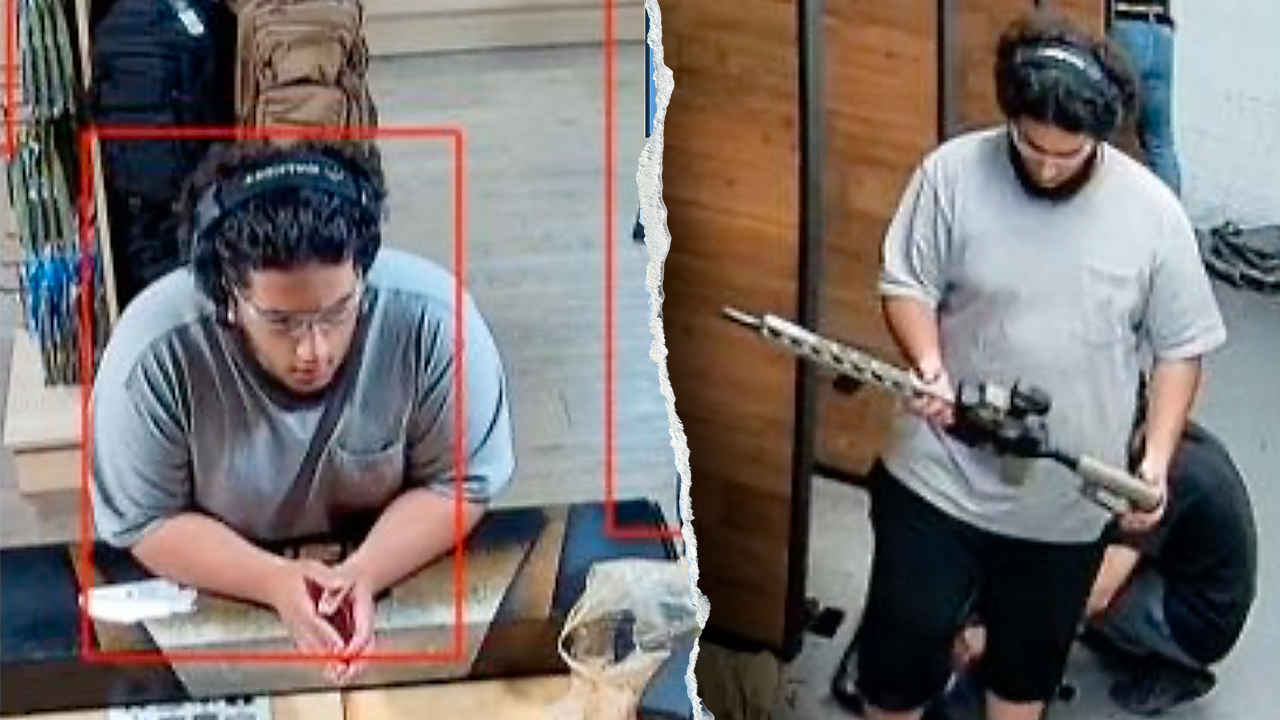
In a significant development in the ongoing investigation of a thwarted Halloween terror plot, federal authorities have apprehended two additional suspects – Tomas Kaan Jimenez-Guzal and Milo Sederat. These arrests, made on Tuesday, expand the scope of what appears to be a complex network of individuals allegedly planning coordinated violence. Law enforcement sources indicate that the investigation remains active, with more accomplices under scrutiny and additional arrests potentially forthcoming. The New York Police Department’s Intelligence and Counterterrorism Bureau reportedly played a crucial role in identifying and capturing these suspects, highlighting the collaborative nature of counterterrorism efforts across multiple jurisdictions. This case represents another sobering reminder of the persistent threat of ideologically motivated violence targeting vulnerable communities in America.
The latest arrests follow Monday’s announcement of charges against Mohmed Ali and Majed Mahmoud, both 20-year-old residents of Dearborn, Michigan. According to court documents, these initial suspects were part of a larger conspiracy that also involved several unnamed co-conspirators and at least one juvenile. The group allegedly engaged in extensive preparation for their attack, including weapons acquisition, target practice, and reconnaissance of potential attack locations. Federal prosecutors claim the conspirators had specifically scouted a strip of LGBT nightclubs in Ferndale, Michigan, suggesting that, like several high-profile terror attacks in recent years, they intended to target venues where members of the LGBTQ+ community gather. This targeting pattern echoes previous hate-motivated mass violence and reinforces concerns about the vulnerability of certain communities to extremist violence.
The investigation reveals a disturbing level of planning and preparation. The alleged conspirators reportedly code-named their operation “pumpkin” – an apparent reference to their Halloween timing – and drew inspiration from notorious mass casualty events including the 2016 Pulse nightclub shooting in Orlando, Florida, which claimed 49 lives, and the 2015 Bataclan theater attack in Paris, where 90 people were murdered during a concert. These influences point to the enduring impact of previous terrorist attacks in inspiring new cycles of violence, often through online radicalization and shared extremist materials. On Friday, FBI agents executed search warrants at the homes of Ali and Mahmoud, as well as a storage unit they jointly maintained. The search yielded an alarming arsenal: multiple semiautomatic rifles, a shotgun, handguns, tactical gear, and more than 1,600 rounds of ammunition – sufficient firepower to carry out a devastating mass casualty event.
The methodical nature of the plot raises serious questions about radicalization pathways and how individuals become drawn to violent extremism. While authorities have not yet fully detailed the ideological underpinnings of the alleged conspiracy, the targeting of LGBTQ+ venues and the inspiration drawn from ISIS-linked attacks suggest elements of both hate-based and possibly religiously-motivated extremism. The involvement of multiple individuals, including a juvenile, demonstrates the power of group dynamics in fostering extremist ideologies and transforming radical thoughts into concrete action plans. This case highlights the continuing challenge faced by law enforcement in identifying and disrupting plots that often develop in small social groups where members reinforce each other’s extremist beliefs and help overcome individual hesitations about violence.
The legal proceedings against these suspects are now unfolding. Ali and Mahmoud are currently being held without bail, with detention hearings scheduled for Monday in federal court in Detroit. The judicial process for the newly arrested suspects, Jimenez-Guzal and Sederat, has not yet been detailed. These cases will likely face intense scrutiny as they progress through the legal system, with prosecutors needing to demonstrate not just possession of weapons – which may be legal in many contexts – but specific intent to use them for terrorist purposes. The prosecution will likely rely heavily on electronic communications, witness testimonies, and the suspects’ own statements to establish their alleged murderous intentions. Defense attorneys will scrutinize the evidence collection methods and may raise questions about entrapment or the extent of actual planning versus mere discussion.
This foiled plot serves as a stark reminder of the ongoing threat of domestic terrorism and targeted violence against marginalized communities in America. The successful interdiction represents a victory for the intelligence and law enforcement agencies involved, demonstrating the critical importance of proactive investigation and coordination across multiple agencies. However, it also underscores the persistent challenges in preventing such attacks, particularly when plots involve multiple actors using encrypted communications and operating with awareness of surveillance techniques. For the LGBTQ+ community, which has repeatedly been targeted in mass violence incidents, this case reinforces painful concerns about safety and acceptance. As this investigation continues to unfold, it will likely yield valuable insights into radicalization processes, the role of previous attacks in inspiring new violence, and potentially improve methods for early intervention before deadly weapons are acquired and targets selected.