



Major Meth Bust in Atlanta Reveals Intricate Drug Smuggling Operation
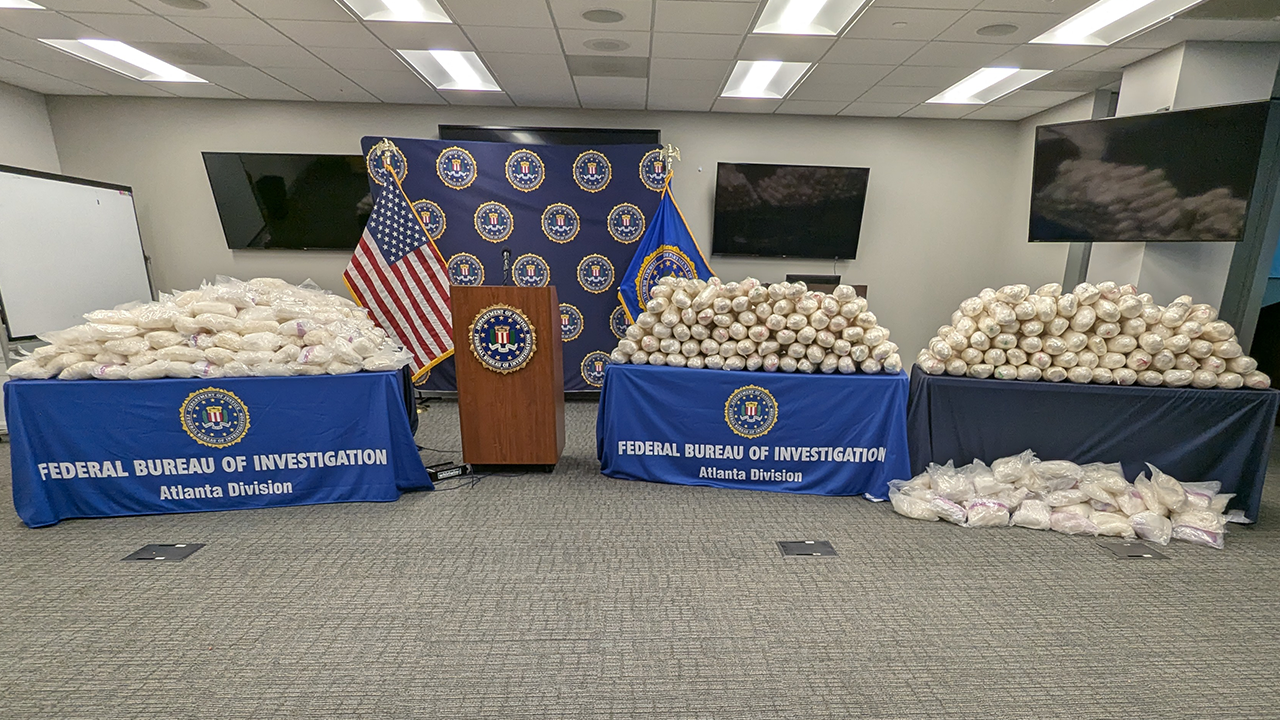
In a significant drug enforcement operation in Atlanta, authorities have uncovered a sophisticated methamphetamine trafficking scheme involving nearly 1,600 pounds of the drug disguised within shipments of blackberries. This massive seizure, valued at tens of millions of dollars, highlights the ongoing challenge facing law enforcement as drug cartels devise increasingly creative methods to transport illegal substances across the country.
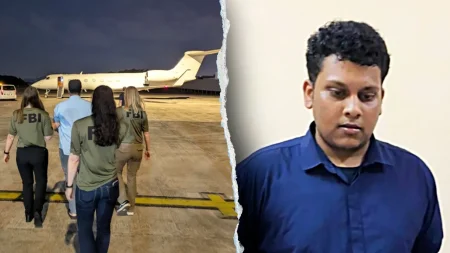
At the center of this operation were two men with prior criminal histories: 44-year-old Gerardo Solorio-Alvarado, a Mexican national who had previously served 17 years in federal prison for drug trafficking and weapons charges, and 36-year-old Nelson Enrique Sorto of Atlanta, who was on probation for a methamphetamine possession conviction earlier this year. The investigation unfolded on November 20 when federal agents and Hall County sheriff’s deputies staked out a cold storage warehouse in Fulton County, where they observed three refrigerated box trucks. Following a carefully coordinated surveillance operation, authorities tracked one truck to a Gainesville gas station and another to a residence in southeast Atlanta, ultimately leading to the arrests of both suspects and the discovery of the enormous drug cache.
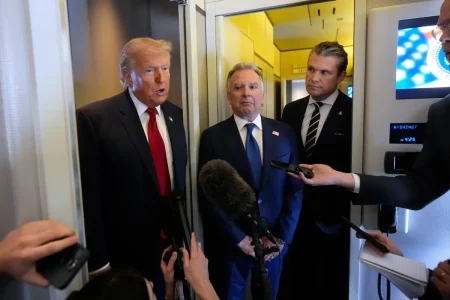
The operation revealed the meticulous planning behind modern drug trafficking networks. According to U.S. Attorney Theodore Hertzberg, who spoke at a news conference following the arrests, the drugs were cleverly concealed within pallets of blackberries in refrigerated trucks – a tactic that has evolved from previous cartel smuggling methods using vegetables like cucumbers, celery, and jalapeño peppers as cover. When authorities searched the first truck abandoned at a Gainesville gas station, they discovered approximately 661 pounds of methamphetamine hidden among the fruit. The second vehicle, tracked to a home in southeast Atlanta, yielded an even larger haul of about 924 pounds of the drug, similarly disguised among blackberry shipments.
The human element of this case speaks to the persistent issue of repeat offenders in drug trafficking operations. Solorio-Alvarado, described by prosecutors as an “illegal alien unlawfully present in the United States,” had already served nearly two decades in federal prison for similar crimes involving methamphetamine distribution and weapons charges. Despite this substantial prior punishment, authorities allege he returned to the same criminal enterprise upon release. His alleged accomplice, Sorto, was already on probation for a methamphetamine conviction from earlier in 2024 when he became involved in this operation. During Sorto’s arrest, Georgia State Patrol troopers reportedly found two guns and containers of blackberries in his SUV, further connecting him to the smuggling operation.
The consequences for both men could be severe if convicted. Given his extensive criminal history, Solorio-Alvarado faces a minimum of 15 years in federal prison, while Sorto faces at least 10 years behind bars. Both could potentially receive life sentences without the possibility of parole. U.S. Attorney Hertzberg indicated that prosecutors would move to hold both men without bail until their cases are resolved. Currently in state custody, they will be transferred to the U.S. Marshals Service as federal charges proceed against them.
This case represents part of a broader enforcement initiative under the Homeland Security Task Force established by a January 2024 executive order from former President Donald Trump titled “Protecting the American People Against Invasion.” The magnitude of this seizure – removing nearly 1,600 pounds of methamphetamine from potential distribution channels – underscores both the scale of drug trafficking operations targeting American communities and the coordinated efforts of multiple law enforcement agencies to combat them. As drug cartels continue to evolve their smuggling techniques, this case demonstrates the ongoing cat-and-mouse game between traffickers developing new concealment methods and authorities working to intercept these dangerous substances before they reach American streets.