





A Tense Morning in Minnesota: The Arrests That Shook a Nation
In the quiet early hours of a crisp Minnesota morning, as the city of St. Paul began to stir awake under a blanket of autumn leaves, federal agents moved swiftly and silently. Doors were knocked on with purpose, warrants were served, and lives were forever altered in the name of justice. This wasn’t just another routine operation; it was a strike at the heart of a simmering controversy that had been boiling over for months. Picture it: ordinary streets, people starting their day with coffee and plans, unaware that one of America’s most recognizable media personalities and a trio of outspoken activists were being cuffed and led away. Don Lemon, the former CNN anchor whose face and voice had graced millions of living rooms, was among those taken into custody. Alongside him, three others—Trahern Jeen Crews, Georgia Fort, and Jamael Lydell Lundy—found themselves in the crosshairs of the law. All four were linked to what officials described as a “coordinated attack” on Cities Church, a humble sanctuary in downtown St. Paul that had unwittingly become ground zero for a clash between free speech, immigration enforcement, and raw, unfiltered rage against the system. As news broke via social media, whispers turned to shouts across the internet, with hashtags trending faster than anyone could refresh their feeds. How did it come to this? What drove these individuals, from the spotlight of cable news to the fringes of civil unrest, to target a place of worship? The answers lay in the shadows of an incident that smacked of chaos more than calm, where ideals clashed violently against the pews and stained glass of a community house of faith. For locals in St. Paul, it felt like history repeating itself—reminders of protests past that had morphed into something dangerously coordinated. Yet, in humanizing this event, it’s not just about the arrests; it’s about the people left grappling with shock, the families jolting awake to phone calls at dawn, and the broader ripples across American discourse. Imagine a father or mother sitting at the breakfast table, scrolling through alerts, wondering how their world could tilt so abruptly. The church, once a beacon of hope for its congregation, now stood as a symbol of division, its sanctuary marred by the echoes of shouting and shoving. Federal authorities, under the directive of top leaders, painted a picture of premeditation, where agitation against U.S. Immigration and Customs Enforcement (ICE) had escalated from mere rhetoric to real-world disruption. Anti-ICE sentiments, fueled by narratives of injustice and border policies, had emboldened some to take action—action that, in this case, landed them behind bars. It’s a reminder that in the pursuit of causes, boundaries can blur, and what starts as a cry for change can spiral into something far more grave. As the sun rose higher, casting long shadows on the church steps, the community began to process: Was this justice served or dissent silenced? The arrests sent waves through media circles, where Lemon’s legacy—once built on probing interviews and sharp commentary—now faced scrutiny under a new lens. Trahern Jeen Crews, Georgia Fort, and Jamael Lydell Lundy, names less familiar but voices no less ardent, added layers to the story, representing a spectrum of backgrounds united by anger over immigration enforcement. It wasn’t just headlines; it was lives intersecting in a web of motivations, fears, and repercussions. Humanly speaking, this isn’t fiction—it’s the raw edge of democracy, where one person’s activism becomes another’s crime, and the line between right and wrong feels perilously thin. Families and friends awoke to uncertainty, lawyers scrambled for details, and the nation watched as a developing tale unfolded, reminding everyone that even in a land of free expression, actions have consequences that echo far beyond the scene of the alleged crime.
The Storming of the Church: A Day That Turned Ugly
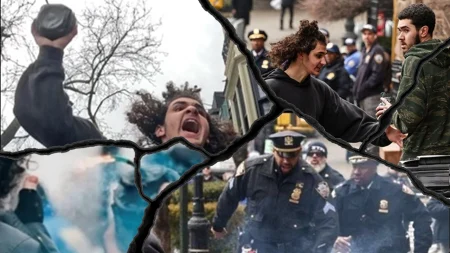
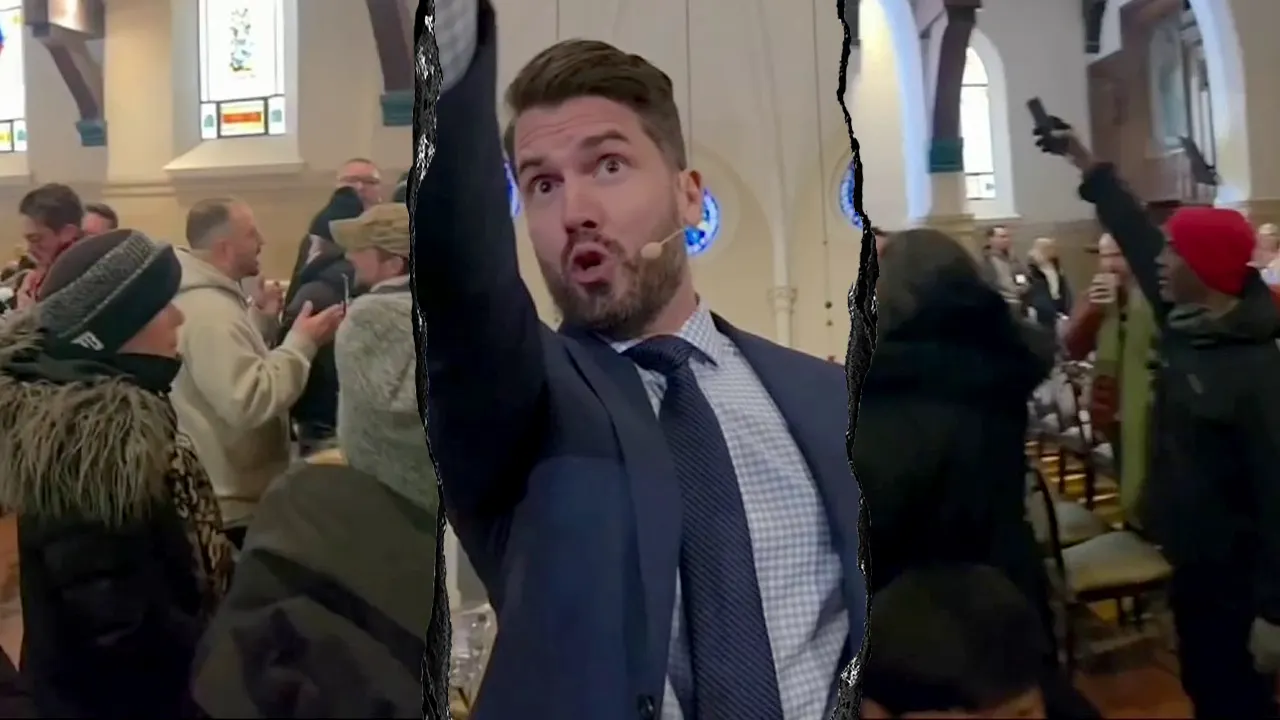
Diving deeper into the heart of the incident, let’s rewind to that pivotal moment at Cities Church, a modest Lutheran congregation in the heart of St. Paul, Minnesota. It wasn’t supposed to be a battleground; just another place of fellowship for the faithful, perhaps hosting a regular service or community gathering under the watchful eye of pastors devoted to unity and peace. But that facade shattered when a group of protesters, motivated by fierce opposition to U.S. Immigration and Customs Enforcement (ICE), descended upon it with fervor. Picture the scene as you’ve seen in countless documentaries: agitated voices rising, banners unfurling, and a rush towards the doors that felt more like a siege than a demonstration. Anti-ICE agitators, drawing from a broader wave of discontent over immigration policies, targeted the church not by accident but allegedly as a deliberate point of contention. Whispers among investigators suggested it was seen as a symbolic stand—a place where messages of sanctuary and human rights often intersected with calls for reforms. But what began as impassioned shouting evolved into something more tangible: a “storming,” as authorities called it, where individuals breached the grounds, creating a tense standoff that lasted hours. Eyewitnesses described a cacophony of chants against ICE, demands for accountability, and a palpable fear among those inside who had come seeking solace, not confrontation. It was a human crucible, boiling over with emotion; protesters, many young and idealistic, driven by stories of families torn apart at borders, while churchgoers—immigrants, locals, and volunteers alike—felt their haven invaded. Emotions ran high: anger for the perceived injustices of deportation practices, frustration at a system that seemed rigged, and a bizarre mix of chaos that blurred the lines between peaceful protest and unlawful assembly. In personal accounts shared later, one parishioner recalled huddling with others, hearts pounding, as strangers pounded on doors and windows, demanding to be heard. “It wasn’t just noise,” they said, “it was intimidation.” For others, it was a moment of solidarity, a rallying cry against what they viewed as systemic oppression. Yet, as details emerged, this “attack”—as Attorney General Pam Bondi would label it—escalated to allegations of property disruption, potential harm, and a disregard for the community’s safety. Don Lemon’s involvement, once revealed, added a twist: the high-profile figure transitioning from behind the anchor desk to the front lines of activism, his presence amplifying the event’s visibility. It humanized the outrage, showing how public figures can galvanize causes, but also how risky such involvement can be. Trahern Jeen Crews, perhaps a community organizer with boots on the ground, brought grassroots energy; Georgia Fort, an advocate with stories of displaced loved ones, added layers of personal stake; and Jamael Lydell Lundy, a vocal critic on social media, represented the online echo chamber that fuels real-world actions. Together, they embodied a generation fed up with incremental change, opting for direct confrontation instead. But in the aftermath, humanizing this means recognizing the fear and resolve on both sides: the activists’ burning passion versus the collateral victims, the church staff and attendees left reckoning with trauma. Families who relied on the church for not just worship but support systems now questioned its future security. It wasn’t merely an act of defiance; it was a clash of worlds, where one group’s fight for justice inadvertently wounded another’s spirit. Psychologically, it spoke to a broader national mood—one of polarization, where protests turn violent, and dialogue falters under the weight of conviction.
Don Lemon’s Dramatic Pivot: From Anchor to Activist
To truly grasp this unfolding drama, one must look at the figure at its center: Don Lemon, the former CNN anchor whose career has been a rollercoaster of acclaim and controversy. Hired for his incisive reporting and deft handling of breaking news, Lemon became a household name, gracing screens with his signature blend of curiosity, wit, and persistence. For years, he dissected politics, culture, and world events, earning accolades and critiques in equal measure. But as the media landscape shifted, so did Lemon’s path. Resigning from CNN amid internal upheavals, he transitioned to independent platforms, podcasts, and outspoken commentary—often diving headfirst into social issues like racial justice, LGBTQ+ rights, and yes, immigration reform. It was a human evolution: from the polished suit of studio lights to the raw fire of activism, where he lent his voice to causes that resonated deeply with marginalized communities. Audiences saw a side of him more unfiltered, less shackled by network guidelines, championing stories of families affected by ICE raids and deportation. In interviews, he’d share personal anecdotes—candid reflections on empathy, urging empathy for the “other.” His social media rants gained followers, morphing him from reporter to provocateur. But this shift carried weight: critics accused him of partisanship, while supporters hailed him as a truth-teller in a polarized era. Enter the Cities Church incident, where Lemon’s activism intersected with alleged action, transforming him from observer to participant. Early reports hinted at his presence among the protesters, a symbol of solidarity that drew media frenzy. What drove him? Perhaps a genuine passion for reform, fueled by broader Coverage of border crises, or a quest for relevance in a changing industry. Humanly, it’s relatable: the allure of making a tangible impact after years in the abstract world of television. Yet, for his circle—family, friends, ex-colleagues—the news of his arrest must have landed like a gut punch. Imagine nights spent debating ideals around a dining table, only to wake to handcuffs and headlines. Publicly, Lemon’s image, once polished, now bore the stains of legal jeopardy, raising questions about liability and the thin line between speech and deed. His journey mirrors many: public figures risking stature for belief, navigating the intersection of fame and conviction. As details trickled out, it became clear this wasn’t isolated; Lemon’s involvement tied into a web of like-minded voices pushing back against ICE’s operations. Yet, beneath the façade, there’s a human story—a man grappling with purpose, influence, and the unforeseen fallout of standing tall. Colleagues from his CNN days speculated on the strain, the toll of constant scrutiny, while fans rallied with pleas for fairness. It wasn’t just about the arrest; it was about empathy for a life in flux, where principles meet consequences in the harsh light of reality.
The Trio Behind the Headlines: Trahern Jeen Crews, Georgia Fort, and Jamael Lydell Lundy
Shifting focus to the other three names that echoed through the arrest announcement, Trahern Jeen Crews, Georgia Fort, and Jamael Lydell Lundy emerge as the unsung protagonists in this narrative tapestry—individuals whose backstories add flesh to the bones of this federal takedown. Trahern Jeen Crews, often described in community circles as a dedicated organizer, hails from the grassroots trenches where activism meets the streets. With a history of engaging in local protests, he’s reportedly been vocal on immigration issues, drawing from lived experiences or close connections to those impacted by policies that separate families or deport without due process. Friends paint him as passionate yet principled, a leader who rallies crowds not through glamour but genuine commitment. Humanizing Crews involves picturing him as someone who grew up amid changing neighborhoods, witnessing firsthand the ripples of immigration debates—perhaps hosting support groups or marching in solidarity walks. For him, the church incident likely felt like an extension of that fight, a bold step to spotlight ICE’s grip on communities. But the arrest? It jolted his world, from planning events to facing court dates, straining ties with loved ones who urged caution. Then there’s Georgia Fort, fittingly her name evoking strength and resilience, a woman whose advocacy often centers on personal loss. Reports suggest she’s shared platforms discussing relatives affected by immigration crackdowns, turning grief into galvanizing stories that inspire action. As a social media presence, Fort might post heartfelt threads, blending vulnerability with fiery calls to arms against systemic failures. In person, she’s described as approachable, drawing people in with her empathy, yet defiant in the face of bureaucracy. The storming of the church, from her vantage, could have been a tipping point—a symbolic challenge to institutions that she views as complicit. For Fort, this arrest isn’t just legal; it’s emotional, a potential wedge in family narratives untold and support systems disrupted. Finally, Jamael Lydell Lundy stands out as the digital warrior, a voice amplified online where hashtags and viral rants fuel movements. With a knack for commentary that cuts to the quick, Lundy has built a following critiquing ICE policies, peppering posts with data, anecdotes, and sharp takedowns. Perhaps a professional with a side hustle in advocacy, or a full-time activist drawing from cultural insights, his background might include organizing virtual events or spearheading boycotts. Human aspects shine in portrayals of Lundy as charismatic but intense, someone who debates over shared meals and strategizes late into nights. The coordinated attack aligned with his rhetoric, positioning him at the edge of theory meeting practice. Yet, this morning’s arrest shattered that momentum, forcing a pause in campaigns and a reckoning with the consequences of crossing lines. Collectively, these three represent the diverse faces of dissent: Crews the strategist, Fort the survivor, Lundy the messenger. Their lives, pre-arrest, were woven into community fabrics—volunteering at shelters, attending rallies, or simply amplifying truths online. Post-arrest, human stories unfold in newly minted uncertainties: financial strains, shattered plans, and familial upheaval. Lawyers consult, bail bonds loom, and questions arise—were they following leads or leading charges? Friends reflect on “what ifs,” while critics scrutinize motives. In a broader sense, their tale underscores how everyday activists become embroiled in broader conflicts, their humanity laid bare in the courtroom drama ahead.
The Attorney General’s Move: Pam Bondi’s Swift Response
Now, anchoring the official lens on this saga is Attorney General Pam Bondi, whose early-morning directive set the arrests in motion, transforming this from rumor to reality with a single post on X. For those unfamiliar, Bondi—a seasoned political figure with a background in Florida’s highest office and ties to conservative circles—has long positioned herself as a voice for accountability and order. Her statement, crisp and unequivocal, landed like a thunderclap: “At my direction, early this morning, federal agents arrested Don Lemon, Trahern Jeen Crews, Georgia Fort, and Jamael Lydell Lundy, in connection with the coordinated attack on Cities Church in St. Paul, Minnesota.” It wasn’t vague; it tied the arrests directly to the church incident, framing them as part of a “anti-U.S. Immigration and Customs Enforcement (ICE) agitators storming” effort. Adding that “more details would be released soon,” Bondi signaled a controlled unfolding, a strategy to build anticipation without leaks. Humanizing her role means acknowledging her as a corridors-of-power operative, someone who’s navigated partisan battles and public scrutiny. Perhaps sitting at her desk amid policy briefs and phone calls, she weighed the decision—a mix of evidence, urgency, and duty. Supporters might hail her as a guardian of law and order, ensuring that protests don’t morph into mayhem; detractors could see it as an overreach, silencing voices in a climate of heightened tension. In practice, directing federal agents to act early likely involved coordination across agencies, warrants drawn, and operations planned for minimal disruption yet maximum impact. From a human standpoint, Bondi’s life in the spotlight—enduring controversies from her own past—adds layers; she’s no stranger to backlash, so this move, while assertive, carries the weight of defending her stance. Transcripts of her post hinted at broader implications: protecting places of worship from escalating unrest, reinforcing that activism has bounds. Families of the accused now faced not just her words but the machinery behind them—FBI liaisons, searches, and impending court sessions. It wasn’t just policy; it was a chess move in a high-stakes game, reminding America that figureheads like Bondi wield influence with every statement. Friends and allies might have discussed the timing over conference calls, debating optics in an election year. Yet, for ordinary folks, it downplayed politics into justice, a reassurance that wrongs are righted. Her promise of “soon” details created a narrative hook, keeping eyes glued as the story matures. In essence, Bondi humanized the bureaucracy, transforming cold federal action into a personal directive, echoing through homes and headlines alike.
A Story Still Unfolding: Updates and the Fox News Experience
As this gripping tale evolves, it’s crucial to note that it’s a developing story—a fluid canvas where new pieces could reshape understandings at any moment. Readers, joggers scrolling news apps, or families gathering around TV sets are encouraged to stay tuned, checking back for the promised updates from authorities. Attorney General Pam Bondi’s assurance of “more details soon” leaves room for revelations: perhaps courtroom insights, witness testimonies, or deeper dives into the motivations behind the Cities Church incident. In the meantime, human curiosity peaks—who else might be implicated? How did social media fuel the agitation? What precedents does this set for free speech versus public safety? For the protagonists—Don Lemon, Trahern Jeen Crews, Georgia Fort, and Jamael Lydell Lundy—the road ahead is uncertain, filled with legal hurdles, personal reckonings, and potential shifts in narrative. Communities affected, from St. Paul’s neighborhoods to activist havens nationwide, must process the trauma, perhaps through dialogues or healing sessions. In a world where incidents like this stir debates on policing, expression, and justice, staying informed feels both duty and privilege. To enhance your engagement, consider the exciting news: you can now listen to Fox News articles! Amid the physical copies and video segments, audio options provide a fresh way to absorb content—perfect for long drives, workouts, or multitasking amidst daily chaos. Whether reliving Don Lemon’s career twists or exploring immigration debates, the Fox News app lets you tune in, making news more immersive and accessible. Just click here to download and step into a richer storytelling experience. As headlines shift and lives intersect, remember the human element: behind every arrest is a person, every protest a plea, and every update a chance for understanding. Stay vigilant, stay humane, and let this reminder spur conversations that bridge divides rather than deepen them. The full picture will emerge in time, but for now, the echoes of that Minnesota morning resonate, urging us all to listen closely.