


The Revitalized Investigation into the 2021 DC Pipe Bomb Case
In a significant development in the long-dormant pipe bomb case from January 2021, federal agents have arrested Brian Cole Jr. in Woodbridge, Virginia. Cole stands accused of planting explosive devices near the Capitol complex, the Republican National Committee (RNC), and the Democratic National Committee (DNC) headquarters on January 5, 2021—the day before the Capitol riot. This arrest represents the first major breakthrough in an investigation that had seen little progress for years, bringing new attention to one of the most concerning security incidents surrounding the events of January 6th.
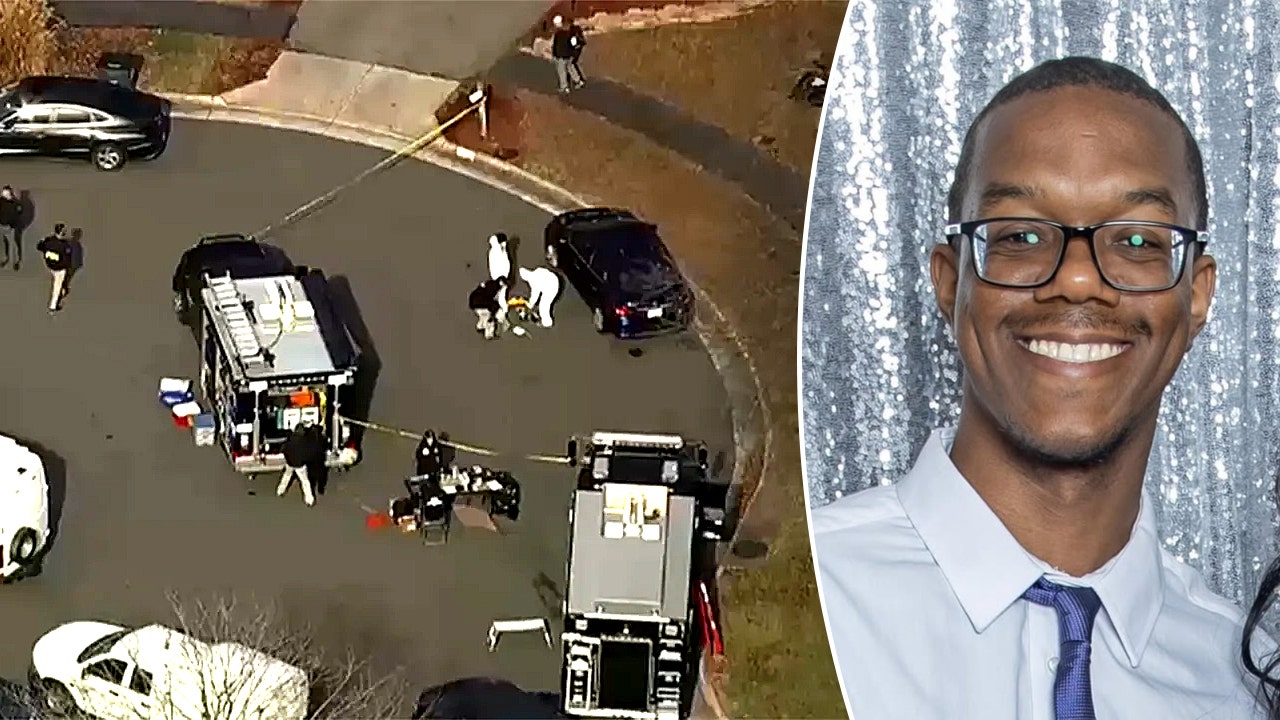
The search of Cole’s residence demonstrated a careful, methodical approach that follows standard FBI protocol for explosive investigations. According to retired FBI special agent Jason Pack, who previously led Evidence Response Teams, the operation began with a safety sweep—a critical first step in any explosives case. Bomb technicians, explosive ordnance disposal specialists, and K-9 units first cleared the property of potential hazards to ensure the safety of personnel and preserve evidence. This deliberate pace isn’t a sign of hesitation, but rather indicates investigators are treating this three-year-old case with the urgency of a fresh investigation. One notable visual clue about the investigation’s progress was the metal paint cans agents carried from the home—standard containers used to safely transport potential explosive materials while preventing contamination and preserving volatile samples for forensic analysis.
Once the property was secured, the full Evidence Response Team moved in, guided by detailed federal search warrants that specified exactly what they were authorized to seize. Their search likely focused on several key categories: explosive components or chemical precursors; tools or materials for constructing bombs; electronic devices like phones and computers; documents or digital communications that might reveal planning or motives; and items confirming Cole’s identity and residence at the property. The thoroughness of this search reveals investigators’ determination to establish not just capability, but also intent and any connections to the original explosive devices placed near the political headquarters in 2021. This comprehensive approach demonstrates how federal authorities are essentially restarting the investigation from the beginning, examining every potential piece of evidence with fresh eyes.
The evidence collection phase now transitions to extensive analysis, with different types of evidence requiring specialized examination. Any electronic devices seized will undergo digital forensics to recover communications, search histories, and location data that might reveal planning or coordination with others. Meanwhile, laboratory specialists will analyze chemical residues and device components to determine whether they match the signature of the bombs placed in Washington. As Pack explained, approaching a cold case with renewed energy and resources can “change the entire trajectory” of an investigation. “I have been the fresh set of eyes on cold cases, and I worked them as if the crime happened that morning,” he said. “The initial investigators often do excellent work. A new perspective simply asks different questions and sometimes spots the detail that finally brings the guilty to justice.”
The renewed vigor in this investigation highlights the challenges law enforcement faces when balancing urgent new threats against older unsolved cases. Pack pointed out that with only about 12,000 FBI agents worldwide, resources are constantly stretched across numerous priorities. Similarly, Assistant U.S. Attorneys who obtain the necessary warrants and court orders are often “drowning in urgent matters,” which can inadvertently slow progress on older cases. This doesn’t suggest intentional neglect, but rather reflects the reality of limited resources in federal law enforcement. “When leadership pours fresh resources back into a case, the whole machine turns forward again. Sunlight finds what shadows hide, and a second look often makes all the difference,” Pack observed, explaining how cases can suddenly gain momentum when prioritized.
Cole made his initial court appearance last Friday after being charged with transporting an explosive device in interstate commerce and maliciously attempting to destroy property using explosive materials. Sources close to the investigation have indicated that Cole has been cooperative with investigators, reportedly admitting to planting the devices and expressing doubts about the outcome of the 2020 presidential election. As this case moves forward, it represents not just the potential resolution of a specific threat, but also demonstrates how cold cases can be successfully revitalized when given sufficient attention and resources. The methodical approach being taken—treating a three-year-old case with the urgency of a new investigation—may finally provide answers about one of the most troubling security incidents connected to the January 6th timeline, potentially filling a significant gap in the public’s understanding of those historic events.