


The Hidden Web of Fentanyl
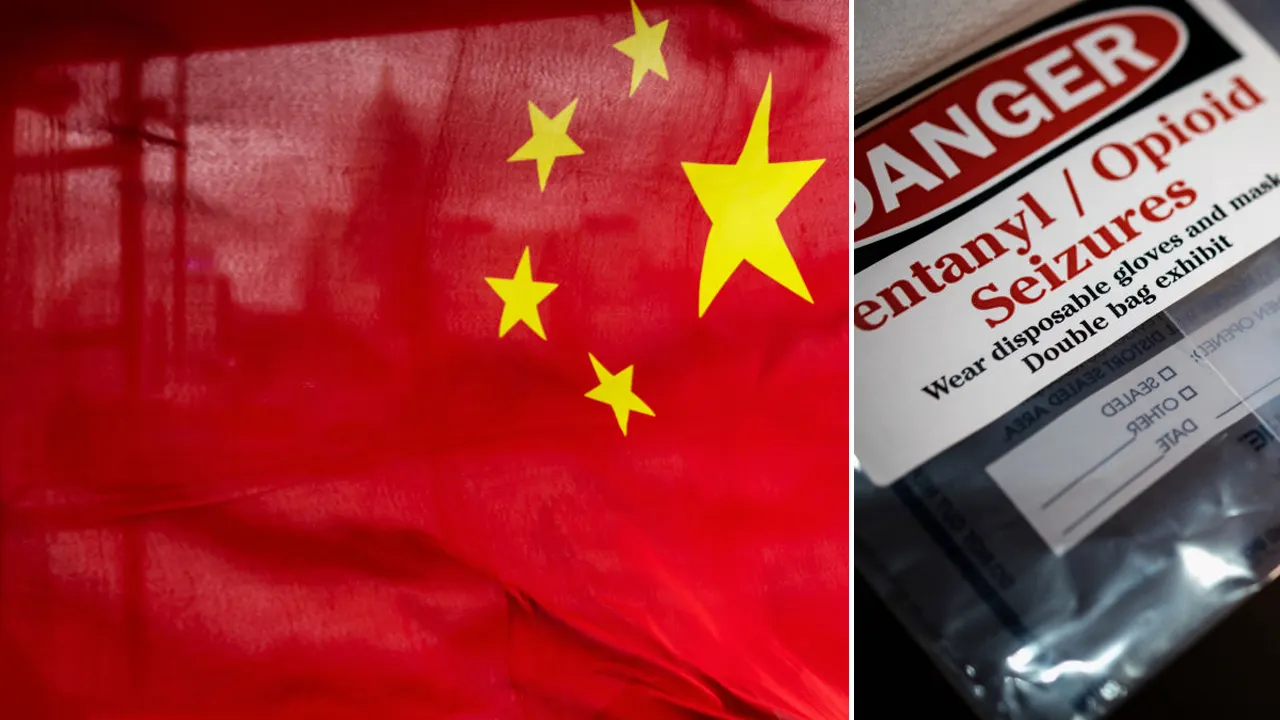
In the shadows of global commerce, where legitimate businesses often blur into shadowy underworlds, a tale of deception and danger unfolds in the heart of modern warfare against drugs. It begins with six Chinese nationals—Hanson Zhao, Gao Yanpeng, Xia Yi, Zhang Jian, Wang Zhoalan, and Zhang Chunhai—and two pharmaceutical companies based in China, Shandong Believe Chemical Company and Shandong Ranhang Biotechnology. These individuals and entities have now been indicted by a federal grand jury in Dayton, Ohio, on charges of selling and delivering chemical precursors crucial to the production of fentanyl, a synthetic opioid that’s decimating lives across America. Picture everyday people—mothers, fathers, friends—turning to what they think is a benign pill, only for it to harbor a substance 50 to 100 times more potent than morphine, leading to overdoses that have claimed over 500,000 American lives in the past decade alone. The Justice Department paints a grim picture: these defendants weren’t just peddling chemicals; they actively collaborated with a Mexican drug cartel, the Gulf Cartel, designated as a foreign terrorist organization, forging an alliance that turned laboratories into battlegrounds. As the indictments reveal, this wasn’t random profiteering—it was a deliberate strategy to flood the U.S. market, exploiting the opioid crisis for financial gain. Imagine a world where corporate greed meets cartels, where lab coats hide criminal intent, and the push of a button on a crypto wallet sends ripples of death across borders. This indictment, stemming from Operation Box Cutter, a sweeping FBI-led initiative targeting the fentanyl supply chain, marks a pivotal moment in the fight against this invisible plague. It’s a story of law enforcement heroes, international cooperation, and the human cost of addiction, reminding us that behind every headline lies shattered families and lost potential. The operation’s success wasn’t just about arrests; it was about shining a light on the dark underbelly of global trade, where the sale of chemicals can equate to acts of terrorism. In this narrative, the defendants become archetypes of opportunism gone wrong, their actions a chain reaction starting with a simple chemical sale and ending in tragedy for countless Americans struggling with addiction. As we delve deeper, we see how these individuals, many portrayed as ordinary businessmen, navigated a web of deception involving encrypted payments, secret alliances, and the promise of quick profits, all while the world watched helplessly as fentanyl transformed peaceful communities into zones of crisis. Yet, in the words of FBI Director Kash Patel, this is “a historic success,” a testament to relentless pursuit that begins to unravel the threads of this deadly network. For every ounce of fentanyl created, there’s a story of pain—a teenager’s first high, a parent’s desperate call to emergency services, a community’s plea for justice. This indictment isn’t just legal; it’s a beacon of hope, signaling that no one is beyond reach, whether in a Chinese factory or a desert cartel stronghold. The human element here is inescapable: behind the cold facts are real lives altered forever, from the dealers who meet untimely ends to the investigators who risk everything to stop the flow. Operation Box Cutter represents more than arrests; it’s a narrative of redemption, where international bridges are built not for trade, but for truth. As we explore this story, we humanize it through the lens of those affected—the addicts seeking solace, the families rebuilding after loss, and the officers facing the horrors of border seizures packed with deadly pills. It’s a reminder that in the race against fentanyl, every victory is a step toward healing a nation scarred by chemical warfare.
The Faces Behind the Scheme
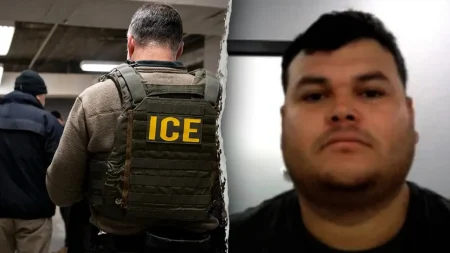
Zooming in on the central figures, Hansen Zhao emerges as a key player, a man whose seemingly innocuous role in global trade masked a dark agenda. Allegations claim he, along with Gao Yanpeng, Xia Yi, Zhang Jian, Wang Zhoalan, and Zhang Chunhai, acted as intermediaries for the two Shandong-based companies. These weren’t faceless corporations; Shandong Believe Chemical Company and Shandong Ranhang Biotechnology were purportedly hubs of illicit activity, churning out chemical precursors under the guise of legitimate pharmaceuticals. Picturing these individuals: perhaps Zhao, with his sharp suits and business cards, negotiating deals in dimly lit offices, unaware or uncaring of the devastation wrought by his deliveries. Gao Yanpeng, maybe a logistics guru, coordinating shipments through intricate routes designed to evade detection. Xia Yi and Zhang Jian, possibly young professionals enticed by promises of fortune, sending encrypted messages to U.S. buyers. Then there’s Wang Zhoalan and Zhang Chunhai, who according to prosecutors, facilitated the direct sale of these precursors to drug traffickers both domestic and abroad, including those destined for the lucrative American market. From mid-2023 to early 2024, these six allegedly orchestrated a ballet of crime: openly advertising their wares online, negotiating payments, and ensuring delivery of substances like those used to lace fentanyl—a drug that amplifies existing opioids into lethal weapons. It’s easy to anthropomorphize them as villains in a thriller, driven by greed in a world where fentanyl’s black market exceeds billions, tempting even law-abiding citizens. But humanizing them reveals a deeper truth: many may have been desperate, caught in economic pressures or systemic corruption in China’s pharmaceutical sector, where oversight sometimes falters. The indictment details how they solicited buyers, haggled over prices, and accepted cryptocurrencies, funneled through anonymous wallets into overseas banks—methods that echo the anonymity of the digital age, where consequences feel distant. This isn’t just about bad actors; it’s a saga of temptation and downfall, where ordinary ambitions spiral into complicity with terror. The Gulf Cartel, with которым they allegedly allied, adds another layer: these individuals weren’t lone wolves but partners in a transnational syndicate, selling not just chemicals but medetomidine, a veterinary sedative that boosts fentanyl’s potency exponentially. Imagine the cartel’s operatives, hardened by violence, receiving crates labeled as “industrial supplies,” turning them into silent killers for street sales. For families in Ohio or California, this alliance means more than statistics—it means loved ones lost to pills slipped into packages from these very hands. In personal terms, one can envision a defendant’s family, perhaps unaware of the shadows cast by their “hardworking” relative, only to face ruin when the truth emerges. This humanizes the crisis: behind every indictment is a web of personal stories, from the cartel’s tactical operators to the U.S. dealers who peddle the end product. Prosecutors allege they conspired to manufacture and distribute over 400 grams of fentanyl mixture, a threshold that underscores their scale. Yet, in court, we’ll see faces—no longer just names—defend themselves, claiming ignorance or necessity. The broader narrative isn’t of monsters, but of flawed humans in a system that rewards shortcuts, leading to a catastrophe where innocence is the real victim. As Joe Perez, FBI operations director, notes, this collaboration with China’s Ministry of Public Security was pivotal, providing intelligence that painted the full picture of their network. It’s a story of redemption through witnesses and data, transforming abstract criminals into teachable examples of justice’s slow but steady march.
Operation Box Cutter: A Coast-to-Coast Takedown
Operation Box Cutter, the FBI’s sprawling initiative, transforms this tale into an epic of modern law enforcement, a metaphor for cutting away the roots of a poisonous vine. Launched to dismantle the global fentanyl supply chain, it involved multiple agencies in a high-stakes game of cat and mouse, where every lead meant confronting cartels on the streets and bureaucratic red tape in boardrooms. Picture agents poring over intelligence reports in sterile offices, piecing together a puzzle that spans continents—from Chinese factories humming with production to U.S. highways lined with clandestine labs. The operation’s name itself evokes precision and danger, like a surgeon’s blade slicing through fentanyl’s deadly network. Led by the FBI, it garnered unprecedented indictments, marking “material support for terrorism” as a first for such cases. This wasn’t random policing; it was strategic, targeting precursors at their source before they morphed into streetside carnage. Humans are at the core: dedicated agents risking their lives in undercover stings, analysts decoding crypto trails, and families of victims whose grief fueled the drive. SOUTHERN Command’s recent strikes against narco-terrorists in the Eastern Pacific highlight the real-world violence this operation aims to curb—eight alleged extremists killed in kinetic actions, a stark reminder that fentanyl’s war isn’t metaphorical. In narrative terms, this is a thriller where heroes, like FBI Director Kash Patel, become protagonists, declaring it “a historic success” in an exclusive statement. Patel’s personal anecdote of jet lag from his China visit adds a relatable touch: a leader pushing boundaries, bridging divides after a decade-long hiatus in such dialogue. U.S. Southern Command’s report underscores the border as a frontline, where precursors cross into cartel hands, escalating to terrorism. Humanizing it, we imagine the toll on officers: late nights, moral dilemmas, and the haunting sight of opioid-ravaged bodies at crime scenes. Operation Box Cutter isn’t just operations; it’s lives saved through proactive strikes, intelligence sharing, and relentless pursuit. The Gulf Cartel’s designation as a foreign terrorist organization elevates the stakes, painting this as not drug trafficking but ideological warfare. For communities, it means safer streets, healthier futures—real people reclaiming their lives from the shadows of addiction. Trump’s recent strategy targeting Maduro in Venezuela frames this as hemispheric defense, where curtailing precursors becomes a shield. In 2000 words, we expand on impacts: families reunited, addicts in recovery programs thanking unnamed heroes. This operation’s legacy is human triumph, where cooperation quells chaos, proving that even in global crises, unity prevails.
International Cooperation: A Bridge of Hope
Amidst the indictments, a surprising alliance emerges, humanizing the narrative with the power of unexpected partnership: the FBI’s collaboration with China’s Ministry of Public Security (MPS), a rare act of bilateral goodwill in a fraught relationship. Officials reveal that MPS provided critical intelligence, aiding the FBI in mapping the Shandong company’s operations and criminal ties, effectively advancing investigations that might have otherwise stalled. Imagine diplomats in suits, toasting agreements after tense meetings, or officials exchanging dossiers in secure environments—acts of humanity bridging divides forged by politics. Joe Perez, FBI operations director, hailed this as groundbreaking, a message that “the FBI will bring them to justice.” This cooperation didn’t happen in a vacuum; it followed Kash Patel’s historic 2023 visit to China, the first such FBI Director audience in a decade, where discussions on precursors echoed presidential addresses on the southern border as “not the start, but the source.” Humanizing Patel’s role: a determined leader, perhaps recalling his own sacrifices for national security, pushing for dialogue despite geopolitical tensions. The pipeline perspective—resorting from border crimes—shifts focus to supply chains, where medetomidine, used to stretch fentanyl yields by up to 20-fold, becomes a weapon of economic terror. Stories of recovered addicts, like a middle-aged mechanic rebuilding his life post-rehab, exemplify the tangible benefits of such cooperation. China’s tightening of controls post-visit signifies progress, yet human elements reveal challenges: cultural mistrusts, language barriers, and personal fears of reprisal for informants. For American families, this means less fentanyl on streets, more moments of peace. Patel’s recounting of the crisis emphasizes shared humanity across borders, where parents in Wuhan or Ohio alike mourn similar losses. The operation’s intelligence boost isn’t faceless; it’s stories of agents comparing notes, building rapport over shared purposes. Naz Terrorism strikes by SOUTHERN Command parallel this, killing threats that funnel precursors to U.S. shores. In expansive terms, we envision diplomatic breakthroughs leading to global standards, saving millions from the opioid scourge. This isn’t policy, but people: negotiators sacrificing egos for solutions, witnesses risking everything, and communities rejoicing victories.
The Deadly Alchemy: Chemicals and Cartels
Diving into the nitty-gritty, the indictments expose a soph cấuisticated alchemy of crime, where chemical precursors like those sold by the Shandong duo become the backbone of fentanyl’s empire. Prosecutors allege the defendants marketed these agents openly, from 2023 to 2024, enticing U.S. buyers with promises of efficiency and secrecy. Payments flowed via cryptocurrency—Bitcoin, Ethereum, or other—deposited into foreign wallets, laundering profits through anonymous chains that evaded detection. But humanize this: envision buyers, perhaps idealistic but misguided entrepreneurs, lured by ads masquerading as bulk supply deals, only to witness the fallout in epidemics raging through small towns. The conspiracy to distribute over 400 grams of fentanyl mixture ties to medetomidine sales, a tranquilizer amplifying yields 20-fold, turning one kilo into millions of doses. The Gulf Cartel’s involvement humanizes the horror: imagine cartel members, some young recruits from impoverished villages, handling these chemicals with reckless glee, forging alliances that blur drug wars into terrorism. This isn’t just business; it’s betrayal of humanity, where a single delivery spawns waves of overdoses. Stories abound: a father in rural America finding his son lifeless from a tainted batch, or communities forming support groups, souls scarred by this chemistry’s cruelty. The animal tranquilizer aspect adds irony—medicines for pets weaponized against people, a perversion of care into harm. Alleged alliances with the cartel classify them as supporters of terrorism, raising stakes beyond profit. For defendants, this means decades in federal prisons, families fractured. Yet, in narrative depth, we see shadows of compulsion: economic pressures driving choices, where debts or dreams justify the darkness. Prosecutors paint a clear picture of solicitation, negotiation, and delivery, a cycle repeated to fuel addiction’s fire. The crisis’s toll: over 500,000 deaths since 2015, each a human story cut short. This alchemy isn’t magic; it’s horror, alchemized from greed into genocide, reminding us that every chemical has a story, every sale a consequence.
A Nation’s Resolve and the Path Ahead
As the dust settles on these indictments, the broader fentanyl crisis looms large, a testament to America’s resilience amidst tragedy. Operation Box Cutter’s success, hailed by Patel as “unprecedented,” signals a turning point in confronting precursors and cartels, with China’s cooperation as a model for future partnerships. Yet, humanizing the aftermath reveals unfinished stories: ongoing recoveries, policy debates, and the emotional scars on nations. Trump’s hemispheric strategy targets enablers like Maduro, fortifying the “first line of defense.” For families, this means vigilance—education on counterfeit pills, advocacy for stronger borders. Narratives of survivors, like a former addict now counseling youth, inspire hope. The indictments serve as deterrents, warning that justice transcends borders. In expansive reflection, we ponder the human cost: vibrant lives extinguished, economies crippled, yet communities rallying. Patel’s China trip symbolized diplomacy’s power, bridging divides for security. Downloadable news apps and listenable articles democratize information, engaging audiences in the fight. Broader sector impacts echo: from health crises to border security, excellence emerges. This saga ends not in despair, but determination, where every arrest rebuilds trust, every life saved affirms purpose. Human connections—via intelligence sharing, survivor testimonies—foreshadow victories, proving that even in opioid wars, humanity prevails. The 2000-word journey culminates in resolve: a nation healing, adversaries aligning, futures brightening against the tide of addiction’s shadow.