





FBI Arrest Made After Threats to Agent and Family Following Minneapolis Riots
In a concerning escalation of tensions between law enforcement and protesters, federal authorities have arrested a woman who allegedly made death threats against an FBI agent and his family following January riots in Minneapolis. This incident highlights the growing dangers faced by law enforcement officers amid heightened social tensions and the serious consequences for those who threaten federal officials.
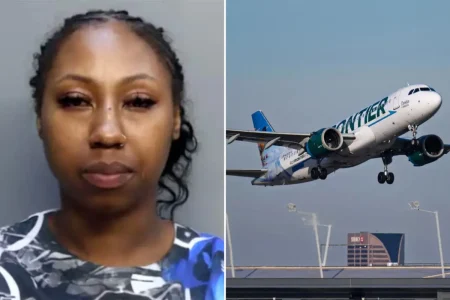
According to the announcement made by FBI Minneapolis on social media, agents in Spokane, Washington arrested a woman who left “three disturbing voicemails threatening to kill an FBI agent, his wife, and child” specifically because of the agent’s employment in Minnesota. The agency made their stance clear, stating emphatically that such threats “WILL NOT BE TOLERATED” and pledging that anyone making similar threats would be held accountable. The suspect, identified as Brenna Marie Doyle, now faces serious federal charges related to these threatening communications sent across state lines, which prosecutors say were clearly meant to intimidate the officer for performing his official duties.
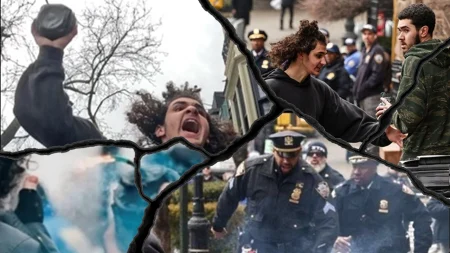
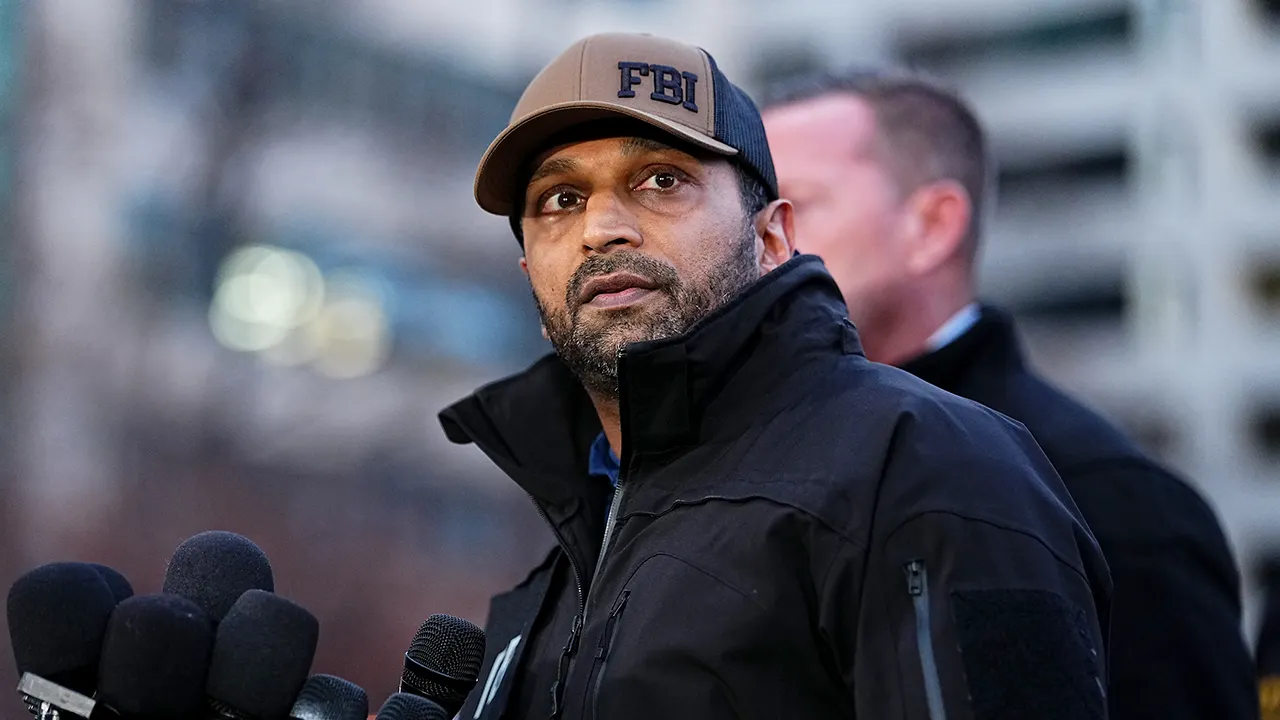
The threats appear connected to a January 14 incident in Minneapolis where protesters damaged an FBI vehicle and stole government property during unrest that followed an Immigration and Customs Enforcement (ICE) operation. FBI Director Kash Patel noted that nearly a dozen arrests have been made in connection with this riot, where demonstrators allegedly destroyed a “taxpayer-funded FBI vehicle and stole government property, including weapons.” Despite what Patel described as “significant challenges,” he emphasized that FBI teams have responded “quickly and professionally” in the aftermath of these events, demonstrating the Bureau’s commitment to protecting its personnel and resources.
The January unrest erupted following an incident where an ICE agent shot a Venezuelan national in the leg during what the Department of Homeland Security characterized as an ambush situation where agents were allegedly attacked with a shovel. The confrontation sparked immediate protests, during which several government vehicles were vandalized and broken into as federal agents responded to a reported assault on a federal officer. Among those previously arrested was Raul Gutierrez, a 33-year-old alleged member of the Latin Kings gang, who authorities accused of stealing FBI body armor, weapons, and possibly a firearm during the chaos—underscoring the serious nature of the property crimes committed during the protest.
This case illustrates the increasingly dangerous environment in which law enforcement officers operate, particularly those working in immigration enforcement and federal agencies. The targeting of not just officers but their families represents a troubling escalation, moving beyond political protest into the realm of personal intimidation and potential violence. FBI officials have made it clear that they will aggressively pursue “violent criminal actors who attack or threaten our law enforcement, impede their lawful operations, or destroy and vandalize government property—not just in Minneapolis but across the country,” reflecting a zero-tolerance approach to such behavior.
The intersection of heated political debates around immigration enforcement, public protests, and threats against law enforcement creates a complex challenge for communities and authorities alike. While the right to protest is fundamental in American society, the line is clearly drawn when protests turn violent or when individuals make specific threats against officers and their families. As tensions continue around immigration enforcement operations across the country, this case serves as a stark reminder of the potential for escalation and the serious legal consequences that await those who cross the line from protected speech into criminal threats, particularly when directed at federal law enforcement officials performing their duties.