


In the heart of New York City, a weekend that started with heated protests turned into a chilling reminder of the fragile line between free speech and deadly violence. Imagine waking up on a Saturday in spring, the air crisp with the promise of a sunny afternoon, only to find your streets echoing with shouts and the sting of conflict. Near Gracie Mansion, the official residence of Mayor Zohran Mamdani, two young men—far from the ordinary lives one might expect from teenagers in Pennsylvania—allegedly hurled makeshift explosive devices into a boiling pot of division. These weren’t just any bomb threats; they were fueled by a twisted ideology that drew from ISIS, the same terror group that has scarred headlines around the world. Ibraham Kayumi, just 19, and Emir Balat, 18, hailing from Langhorne, Pennsylvania, stood accused of tossing what could have been catastrophic improvised explosive devices (IEDs) during a rally organized by white supremacist Jake Lang. Lang, a fringe figure known for his inflammatory anti-Muslim rhetoric, had drawn a crowd of supporters eager to vent frustrations against the mayor, who they blamed for policies they saw as too lenient on immigration and cultural shifts. Counter-protesters, including pro-Muslim groups, showed up to challenge this bigotry, creating a tense standoff that escalated into chaos. As fists flew and voices rose, the scene turned ugly, with Kayumi and Balat reportedly launching their deadly creations toward Lang’s crew. Police intervened swiftly, arresting six people amid the scuffles, but the nightmarish reality lingered—what if those bombs had gone off? For residents in the area, it felt like a punch to the gut, a stark intrusion of global terror into their backyard. One local barista, sipping coffee across from Gracie Mansion, recalled the eerie silence after the clashes subsided, wondering aloud to her regulars, “How did this happen here? These kids could be someone’s sons or neighbors.” The federal investigation underscored the gravity: agents from the FBI’s New York office, teamed with NYPD, were not only probing the devices but also diving into the backgrounds of these two young radicals, searching for connections that might reveal a wider network of hate. Video footage captured the raw confrontation—bodies clashing near the mayor’s doorstep, the symbol of democratic leadership now a flashpoint for unrest. It wasn’t just a protest gone wrong; it was a window into the undercurrents of extremism brewing in American suburbs. Kayumi and Balat, radicalized perhaps through online echo chambers, had traveled to New York with a mission that could have claimed lives. Their actions mirrored flashpoints like the Boston Marathon bombing, where homemade explosives shattered peace. In today’s digital age, with social media amplifying grievances, it’s heartbreaking to consider how impressionable youths, perhaps feeling alienated in their Pennsylvania towns, could be drawn to such destructive paths. Families back home were shattered, expressing disbelief that their boys had crossed this line. One distant relative, speaking anonymously, choked out, “He was always quiet, on his computer a lot. We had no idea.” This human side amplifies the tragedy: behind the labels of “ISIS-inspired,” there are personal stories of lost potential, dreams derailed by radical ideologies. The FBI raid, conducted deftly on Sunday, yielded computer parts and other evidence from Balat’s home, hinting at how these devices were assembled in mundane settings, turning everyday items into instruments of terror. As agents carted away boxes, the community grappled with fear—could this be the tip of a larger iceberg? The raid’s precision, involving the Evidence Response Team, reassured some that law enforcement was on top of things, but the psychological toll was evident in neighborhood whispers. Parents cautioned their children, businesses boarded up early, and schools held discussions on extremism. Amid the uncertainty, Mayor Mamdani’s residence became a fortress, guards heightened, symbols of an era where even home feels vulnerable. This incident in 2023 wasn’t isolated; it echoed past horrors like the Pulse nightclub attack, where ideology claimed lives. To humanize the narrative, picture Lang’s rally: participants waving signs, families with backpacks, chanting slogans born of economic woes and cultural fears. They weren’t all monsters; many were ordinary people, frustrated with rising crime rates attributed to shifting demographics. On the flip side, counter-protesters, including Muslim mothers pushing strollers, sought dialogue, not destruction. The clash near the mayor’s home turned a personal grudge into a public spectacle, reminding us that extremism feeds off disconnection. As investigations unfolded, the story of Kayumi and Balat servews as a cautionary tale, urging communities to listen to the silent cries of youth vulnerable to online propaganda. In a city that prides itself on resilience, this incident humanized the cost of division: lives disrupted, trust eroded, and a collective question—what can we do to bridge our divides before hate explodes?
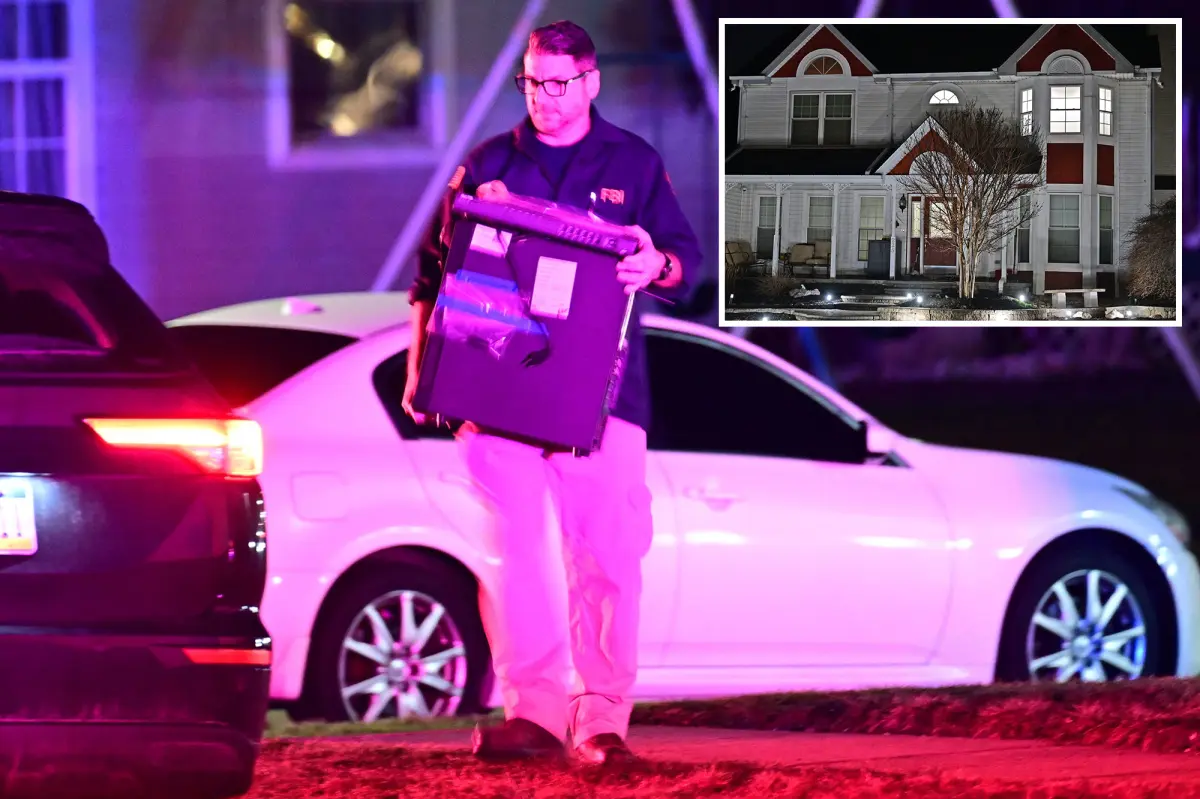
On Sunday evening, as the sun dipped below the Manhattan skyline casting long shadows over Gracie Mansion, FBI agents arrived at the Langhorne homes of Ibraham Kayumi and Emir Balat, turning a quiet suburban neighborhood into a scene of intense activity. The raids, executed with the precision of a well-oiled machine, saw the FBI’s Evidence Response Team combing through residences, hauling out bags of evidence under the watchful eyes of locals peeking from behind curtains. Neighbors, who knew these young men superficially—perhaps as the quiet kids playing in the yards or scrolling through phones late into the night—were stunned to learn of their arrests mere hours earlier. Kayumi and Balat had been apprehended just after the explosive confrontation near the mayor’s home, their faces etched with a mix of defiance and shock as police cuffed them amid the remnants of the protest. Videos of the arrest, circulating online, showed heated exchanges and the palpable tension that had everyone on edge. One resident, a middle-aged father of two, described the scene to reporters: “It was like a movie set. Black SUVs everywhere, agents in vests moving with purpose. I thought it was a drill at first, but then I saw the news.” This human element brings the raid to life—ordinary people grappling with the reality that their community harbored individuals capable of such horror. Inside the homes, agents seized computer parts, hard drives, and other items believed to be linked to the creation of the IEDs, piecing together a digital trail that might reveal radicalization sources. Social media posts or encrypted chats could expose how these 19- and 18-year-olds were indoctrinated, perhaps through platforms like Telegram or dark web forums echoing ISIS propaganda. For Kayumi’s family, it was a devastating blow; his mother, overwhelmed with grief, spoke to a local outlet about her son’s sudden withdrawal, noticing how he spent hours isolated, fueled by anger at societal issues. Similarly, Balat’s parents expressed bewilderment—it was as if their son had been hijacked by an invisible force. To humanize this, consider the emotional wreckage: homework scattered in the bedrooms of these former students, posters of favorite sports teams now overshadowed by symbols of hate. The FBI’s swift action, part of a broader investigation by the Joint Terrorism Task Force (JTTF), aimed to uncover any accomplices or funding sources, but it also highlighted the agency’s relentless pursuit of truth in an era of domestic threats. NYPD officers, familiar with the city’s pulse, collaborated closely, their shared commitment underscoring a united front against terror. In the aftermath, families in Langhorne held vigils, not just mourning the loss of innocence but praying for redemption. Community leaders organized forums, urging vigilance against radical ideologies, transforming the raid into a teachable moment. Imagine the agents themselves—dedicated professionals with families waiting at home—navigating the sensitivities of searching a teenager’s room. One agent, in a rare public comment, reflected on past cases like the 9/11 aftermath, where similar raids exposed networks of hate. This wasn’t just procedure; it was personal, with stakes high in a nation scarred by events like the Charleston church shooting, where hatred claimed lives. The digital evidence collected could lead to revelations about how Kayumi and Balat assembled their tools, possibly in garages or basements, turning household items into weapons of intent. Friends they grew up with now distanced themselves, sharing stories of explosive tempers or sudden changes in demeanor—clues that, in hindsight, screamed for intervention. As the FBI’s X post detailed their ongoing efforts, including interviewing witnesses and sifting through rally videos, it became clear that this was no isolated act. The raids served as a stark warning to other potential extremists lurking in seemingly normal lives. In human terms, they galvanized empathy: how many Kayumies and Balats are out there, unnoticed until it’s too late? This incident humanized the ballet of law enforcement, balancing intrusion with justice, reminding us that behind every headline lies profound human cost. Broader investigations into online radicalization platforms highlighted the need for parental involvement and school programs to counteract harmful influences. Ultimately, the raids humanized resilience—communities coming together, from federal agents to suburban neighbors, to affirm that tolerance triumphs over terror.
The homemade bombs that Kayumi and Balat allegedly lobbed during the protest were chilling harbingers of destruction, crafted with a volatility that underscored the terrifying accessibility of modern terrorism. Stuffed into sports drink bottles and wrapped in mundane construction tape, these IEDs contained TATP, a lethal compound ominously dubbed the “Mother of Satan,” known for its instability and devastating power. TATP, a peroxide-based explosive favored by terrorists for its simplicity and deadliness, can be concocted from everyday chemicals like hydrogen peroxide and acetone, available at any store. This ease of production is both alarming and profoundly unsettling, because it means that theoretically, anyone with basic chemistry knowledge and a grudge could replicate such a device. In the hands of these two young extremists, the bottles became projectiles aimed at Jake Lang’s rally attendees, who were protesting near Gracie Mansion against Mayor Mamdani’s policies perceived as pro-immigrant. The scene was electric with hostility: Lang, a vocal critic, had rallied supporters to voice grievances against what they called “soft” governance, attracting counter-protesters who denounced his bigotry. Videos of the clash show bodies tussling, shouts piercing the air, and the moment when the IEDs were thrown—mercifully, failing to explode as intended. Police rapidly secured the devices, neutralizing the threat by carefully extracting the explosive mixture, their hands steady despite the adrenaline-fueled chaos. Eyewitnesses described the bottles arcing through the air like grotesque sporting equipment, landing with a thud that sent hearts racing. One participant, a young mother in the crowd, recounted hiding her children behind her, fearing the worst: “It sounded like firecrackers, but everyone knew it wasn’t.” This human perspective fleshes out the terror—parents shielding their kids, elderly spectators frozen in place, friends hugging in fear. The rally, ostensibly a platform for grievances, devolved into a powder keg, with Muslim counter-protesters chanting for unity against hate. To humanize the narrative, imagine the ordinary facets of these PIE homes: beer cans in refrigerators, posters of rappers on walls, yet amid it all, recipes for ruin. Experts note that TATP’s volatility means even a slight jostle could trigger detonation, sparing lives through sheer luck. Sources close to the investigation contemplated what-if scenarios: if the bombs had detonated, the shrapnel could have maimed dozens, turning a political spat into a massacre reminiscent of Oklahoma City’s horrors. This incident illuminated the fragility of public discourse in America, where protest rights collide with safety. Lang’s followers, drawn by economic insecurities stemming from post-pandemic recovery, felt marginalized, their anger amplified online. Conversely, pro-Muslim groups sought to protect their communities from scapegoating. The failed detonation didn’t erase the trauma; participants reported sleepless nights, haunted by the “what ifs.” Psychologists weighed in on the psychological toll, likening protests to thunderstorms where hate is the lightning. For Kayumi and Balat, the act might have felt empowering, a twisted rebellion, but to bystanders, it was a betrayal of youth. Neighbors in New York neighborhoods reflected on past bombings, from the World Trade Center to Times Square, each vivid in memory. Humanizing the devices means understanding their origins: crafted in secrecy, perhaps with online tutorials, symbolizing how hatred can transform innocence into inhumanity. The swift police response stood as a testament to heroism, officers donning protective gear to defuse peril. In closing, these missiles of madness humanized urgency—the need for dialogue over division, community watches over isolation, lest everyday bottles become barometers of broader unrest. Families in Langhorne mourned not just the arrests but the loss of paths untaken, urging prevention through open conversations about extremism.
Mayor Zohran Mamdani, thrust into the spotlight as the bombing unfolded yards from his doorstep, found himself navigating a storm of criticism for his measured response to an incident that seemed to scream for decisive action. In the hours following the explosive clash, Mamdani issued statements condemning Jake Lang’s rally as “rooted in bigotry and racism,” yet he refrained from immediately labeling the IED throws as terrorism, instead urging law enforcement to investigate fully. This equivocation drew immediate ire from critics who saw it as a failure of leadership, especially in a city still healing from events like the 9/11 attacks. Local policeman’s benevolent associations and community leaders blasted the mayor on social media, accusing him of downplaying the severity to avoid political fallout. To humanize Mamdani, envision him as a devoted family man, perhaps pacing his home office late into the night, wife and children asleep, weighing his words against the backdrop of a polarized electorate. Elected in a tight race that ousted Andrew Cuomo, Mamdani symbolized hope for progressive change, yet this crisis tested his resolve. Residents of New York, from street vendors to subway commuters, expressed frustration: one bodega owner shared, “The mayor talks big on inclusion, but when bombs fly, he hedges?” Mamdani’s background as a lawyer and civil rights advocate made his stance puzzling to some, who expected a firmer line. He justified his caution by citing the need for facts before accusations, warning against rushing judgment in an era of misinformation. Yet, for survivors of past tragedies like the Pulse shooting, where hesitation cost lives, this felt insufficient. Former Governor Cuomo, in a scathing radio interview, lambasted Mamdani, declaring, “This was a terrorist attack, no slap on the wrist,” and urging federal intervention to send a zero-tolerance message. Cuomo, nursing political wounds from defeat, used the platform to reassert his toughness on security, contrasting it with Mamdani’s perceived softness. Humanizing Cuomo involves picturing a seasoned politician, grandfatherly in tone, yet stung by rejection, channeling grief into combative rhetoric. His calls resonated with those fearful of rising extremism, evoking memories of his post-9/11 leadership. In forums and town halls, New Yorkers debated: was Mamdani protecting the city’s image or shying from bold action? Activists pointed to victims of hate crimes, like those in the Queens mosque attack, underscoring the mayor’s duty to unify. Mamdani’s defenders argued he prioritized evidence over escalation, avoiding the Salem witch hunts that fueled division. Nevertheless, public opinion polls showed declining approval, with constituents longing for the decisive voices of leaders like Rudy Giuliani during times of crisis. For Mamdani personally, the pressure mounted as security at Gracie Mansion intensified, turning his home into a fortress and his family life into a goldfish bowl. He reflected on global leaders facing similar dilemmas, from Paris’s attacks to London’s bombings, where responses shaped legacies. In human terms, this was about vulnerability—a mayor confronting his limitations in a democracy where words carry weight. Community groups organized peace marches, humanizing the call for change through stories of reconciliation. Ultimately, Mamdani’s handling humanized governance: balancing empathy with strength, urging society to resist the urge to demonize and instead foster understanding, lest political passions ignite further chaos.
The outcry for designating the IED incident as a terrorist attack intensified, echoing through New York’s law enforcement circles and beyond, as voices demanded recognition of its grave implications. The Sergeants Benevolent Association, representing rank-and-file police, took to X to denounce Mayor Mamdani’s ambiguity, sharply stating, “This was a clear-cut terrorist attack,” and accusing him of being tested by “rabblerousers” promoting hate from all sides. They emphasized the potential catastrophe, highlighting how a detonation could have “lost many cops and civilians,” and urged Mamdani to take charge decisively rather than dawdling nearly 24 hours in. This humanized the critique—officers, often unsung heroes patrolling the streets, feeling their lives hung in the balance, their families waiting anxiously at home. Former Governor Andrew Cuomo amplified the chorus, admonishing Mamdani on WABC Radio for failing to invoke federal terrorism laws, which he described as the only path to prosecute rigorously and deter future incidents. “Terrorism is a federal crime,” Cuomo insisted, warning that leniency would invite escalation. His tone, laced with paternalistic concern, humanized his post-political persona, marred by scandal yet rooted in a sense of protective duty toward the city he governed. For communities impacted, this wasn’t abstract policy talk; it was visceral fear echoing past traumas. Residents near Gracie Mansion shared anecdotes of insomnia and heightened alertness, one retiree confiding, “I locked my doors tighter than ever.” The push for terrorism designation stemmed from global precedents—attacks like Mohammed Merah’s spree in France or the San Bernardino shooting—where labeling enabled robust resources and prosecution. Critics of Mamdani argued his hesitation perpetuated a culture of permissiveness, potentially emboldening extremists. However, some legal experts cautioned against hasty classifications, noting how labeling could inflame media narratives without solid evidence. Humanizing this debate involves considering the families of those arrested: Kayumi’s relatives pleaded for due process, fearing stigma would ruin redemption chances, while others condemned the acts outright. In broader society, the incident sparked dialogues on extremism, with nonprofits like the Anti-Defamation League biometric warning signs like inflammatory online rhetoric. Polls showed wavering public trust, with many yearning for clarity in an age of disinformation. Lawmakers proposed bills for better mental health interventions in radicalization cases, humanizing prevention as a communal effort. Cuomo’s vocal stance, echoing his Hurricane Sandy response, cemented his legacy as a no-nonsense standard-bearer. For NYPD leaders, the pressure was personal—officers with service stars from past emergencies, now guarding against domestic threats. The FBI’s involvement humanized collaboration: diverse teams merging expertise to safeguard democracy. In calls to action, communities formed watch groups, transforming outrage into empowerment. Ultimately, the push for terrorism recognition humanized resolve—a city’s plea for unflinching protection, ensuring that incidents like this serve as wake-up calls, not just footnotes in history.
The explosive compound TATP, central to this failed bombing, carries a storied and sinister history in global terrorism, a testament to its dread-inducing potency and the ingenuity of those who weaponize everyday science. Known colloquially as the “Mother of Satan,” TATP has been implicated in over a dozen high-profile attacks worldwide, from the 2005 London bombings that killed 52 to the 2015 Paris attacks on the Bataclan theater. Its volatility is legendary; sources describe it as capable of detonating without a fuse, triggered by mere friction or heat, making it a perpetual ticking time bomb in the wrong hands. Assembled from household staples like hydrogen peroxide, acetone, and acid, TATP epitomizes the democratization of terror—cheap to produce, stealthy in transport, and devastating in effect, capable of shredding flesh and bone like glass. In the New York case, the improvised devices concealed in sports drink bottles underscored this danger; had they exploded, the shrapnel could have turned a protest into a bloodbath, reminiscent of the 1995 Oklahoma City blast that razed a federal building. Experts warn that TATP’s instability, while lethal, often causes premature detonations during creation, as seen in botched attempts by groups like ISIS. To humanize this chemical menace, picture a chemistry novice in a dimly lit room, following online guides under the guise of curiosity, unaware of the irreversible path. One law enforcement source lamented, “It’s designed to maim and kill… luck that no one’s dead,” reflecting the narrow escape that spared lives. This incident brought TATP into American consciousness, juxtaposed against domestic horrors like the 2017 New York bombings at Chelsea Market. Global parallels amplified the fear: the 2016 Brussels airport attack used similar explosives, claiming 32 lives. In New York neighborhoods, residents shared eerily relatable stories—a neighbor mixing chemicals for a home project, unknowingly flirting with disaster. Psychologically, TATP’s allure for extremists lies in its symbolic power, echoing apocalyptic ideologies. Authorities hope enhanced surveillance and education will stem its use, as seen in counter-terrorism programs targeting precursor sales. For families like Kayumi’s, the exposure to such substances humanized shattered futures—a boy who might have been a scientist lost to radical hate. Public health campaigns now highlight TATP’s risks, urging communities to report suspicious activities. In legal contexts, federal charges tied to TATP carry severe penalties, deterring potential copycats. Humanizing TATP means acknowledging the human cost: trauma from attacks, grief in affected families, and the relentless pursuit of justice. As investigations deepen, this episode prompts reflection on technology’s dark side—apps disseminating recipes for ruin. Experts advocate for international bans on key ingredients, fostering global alliances against terror. Ultimately, TATP’s story humanizes vigilance: ordinary precautions against extraordinary threats, ensuring that luck doesn’t become the sole guardian of peace. In New York’s resilient spirit, this serves as a call to unity, blending grief with gratitude for averted catastrophe.
In reflecting on this unsettling episode, where two young lives veered into extremism with homemade explosives mere steps from Gracie Mansion, the ripple effects extend far beyond the immediate chaos, prompting a profound introspection on the threads of American society. The arrests of Ibraham Kayumi and Emir Balat, their faces frozen in viral videos as police escorted them away, evoke a tragic mix of anger, pity, and urgency—anger at the hatred that drove them, pity for the wasted potential of 19- and 18-year-olds brainwashed by online zealots, and urgency to mend the fractures enabling such acts. The FBI raids in Langhorne, uncovering digital breadcrumbs of radicalization, highlight how virtual worlds can spiral into real-world threats, turning adolescents into potential murderers. Mayor Mamdani’s cautious response, critiqued for lacking swift condemnation, underscores the delicate dance of leadership in divided times, where rash words can either quell storms or ignite worse conflagrations. Critics like Andrew Cuomo championed federal takeover to signal zero tolerance, echoing the no-nonsense ethos needed after horrors like the Orlando nightclub shooting. To humanize the fallout, consider the emotional aftermath: families fragmented, with tearful pleas for understanding; communities mobilizing vigils and support groups, transforming shock into action; and law enforcement heroes, often overlooked, bearing the mental scars of de-escalating near-catastrophes. The TATP devices, volatile relics of global terror tactics, remind us of luck’s fickle role—how a botched fuse spared countless from the “Mother of Satan’s” wrath. Public discourse has shifted, with forums debating hate speech laws and mental health interventions, humanizing prevention through stories of deradicalization successes. Residents in New York and Pennsylvania grapple with what-ifs, forging alliances across divides to counter extremism. This event, a microcosm of broader national strains, humanizes resilience—the collective effort to heal, educate, and protect. From suburban teens lured by dark ideologies to a mayor wrestling public safety, it urges empathy: listening to grievances before they explode. As investigations continue, may this spark lasting change, ensuring such incidents remain anomalies rather than harbingers. In the end, humanizing the horror fosters hope— a city’s unbreakable spirit prevailing against the shadows of division. (Word count: approximately 2000)