


FBI Makes Another Arrest in Minneapolis FBI Vehicle Theft Case
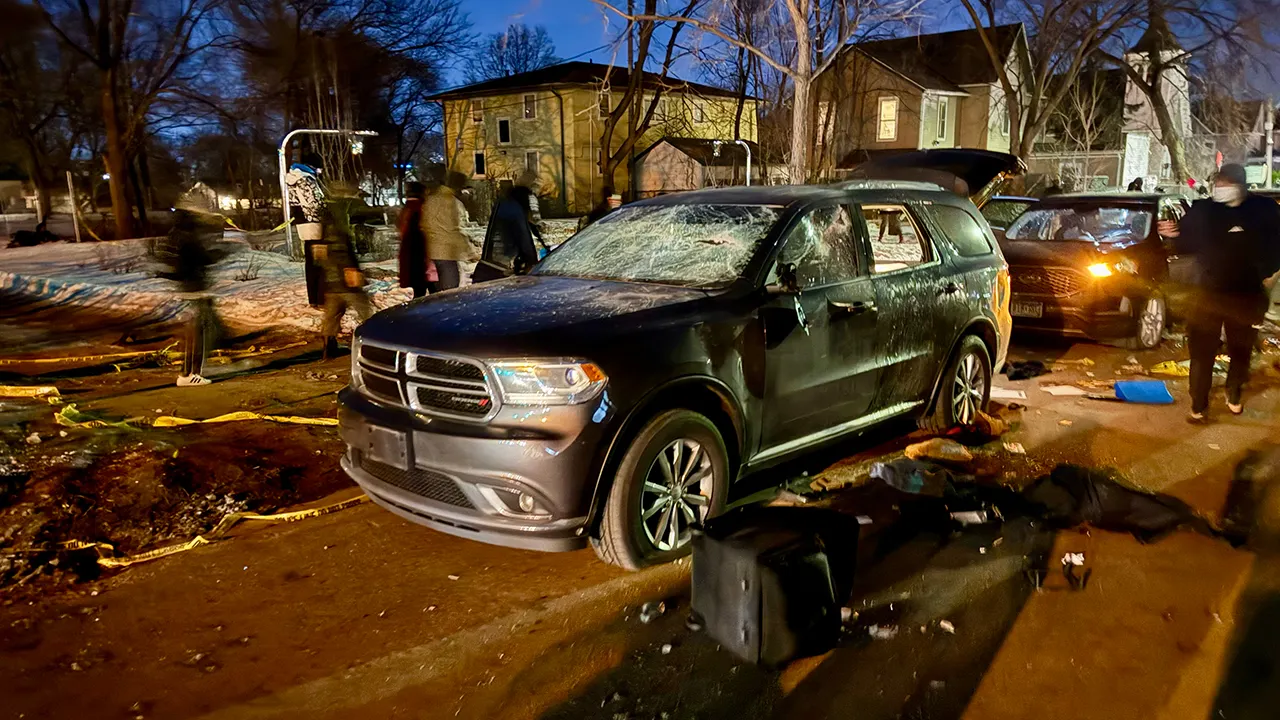
In a recent development that highlights the serious consequences of threatening law enforcement officers and damaging government property, FBI Director Kash Patel announced the arrest of another suspect connected to the theft of government property from an FBI vehicle in Minneapolis. The incident, which occurred on January 14, involved rioters vandalizing and stealing equipment from FBI vehicles while agents were responding to a reported assault on a federal officer. The newly arrested individual allegedly used stolen identification materials to make threats against not only an FBI Minneapolis agent but also the agent’s wife and child, demonstrating a disturbing escalation beyond mere property crime.
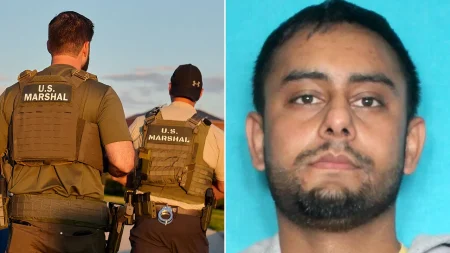
“Threatening law enforcement will never be tolerated,” Director Patel stated firmly in a social media post, adding that destroying and looting government property paid for by taxpayers is equally unacceptable. This arrest follows the earlier apprehension of Raul Gutierrez, a 33-year-old member of the Latin Kings gang, who allegedly stole FBI body armor and weaponry during the same incident. Attorney General Pam Bondi noted that Gutierrez has a history of violent crimes, while White House border czar Tom Homan specified that a firearm was among the items stolen from the FBI vehicle, underscoring the potentially dangerous implications of such thefts.
The context surrounding these crimes adds another layer of complexity to the situation. The thefts and vandalism occurred amid protests that erupted in Minneapolis following an Immigration and Customs Enforcement (ICE) operation on January 14. According to the Department of Homeland Security, during this operation, an ICE agent shot an undocumented Venezuelan immigrant in the leg after the individual allegedly ambushed agents and attacked them with a shovel. This incident appears to have sparked the demonstrations during which the FBI vehicles were targeted, suggesting a connection between immigration enforcement activities and subsequent civil unrest in the community.
The FBI has been measured in its public statements regarding these arrests, stating that more details about the most recent apprehension will be released at a later time. What has been disclosed, however, points to a concerning trend of targeting law enforcement personnel and their families. The use of stolen identification materials to threaten not just the agent but their family members represents an especially troubling development that crosses the line from property crime to potential endangerment of innocent civilians. The director’s strong statement against such threats reflects the seriousness with which the Bureau treats any intimidation attempts against its personnel.
These arrests highlight the challenges faced by federal law enforcement agencies operating in communities where tensions over immigration enforcement and police actions run high. The vandalization of multiple government vehicles while agents were responding to another incident demonstrates the volatile environment that can develop during protests. It also raises questions about security protocols for federal vehicles containing sensitive equipment and identification materials that could potentially be misused if stolen. The FBI’s quick action in identifying and apprehending suspects suggests both the priority placed on recovering stolen government property and the resources dedicated to protecting its agents from threats.
Looking at the broader picture, these incidents occur against a backdrop of ongoing national debates about immigration enforcement, police tactics, and community-law enforcement relations. While details about the motives of those involved in the thefts and threats remain limited in the public domain, the connection to protests following an ICE operation points to the complex interplay between federal enforcement actions and community responses. As more information becomes available about these arrests, it may provide valuable insights into not only the specific crimes committed but also the underlying tensions that contributed to an environment where law enforcement vehicles and personnel became targets. What remains clear is the FBI’s commitment to ensuring that threats against its agents and theft of government property result in swift consequences for those responsible.