



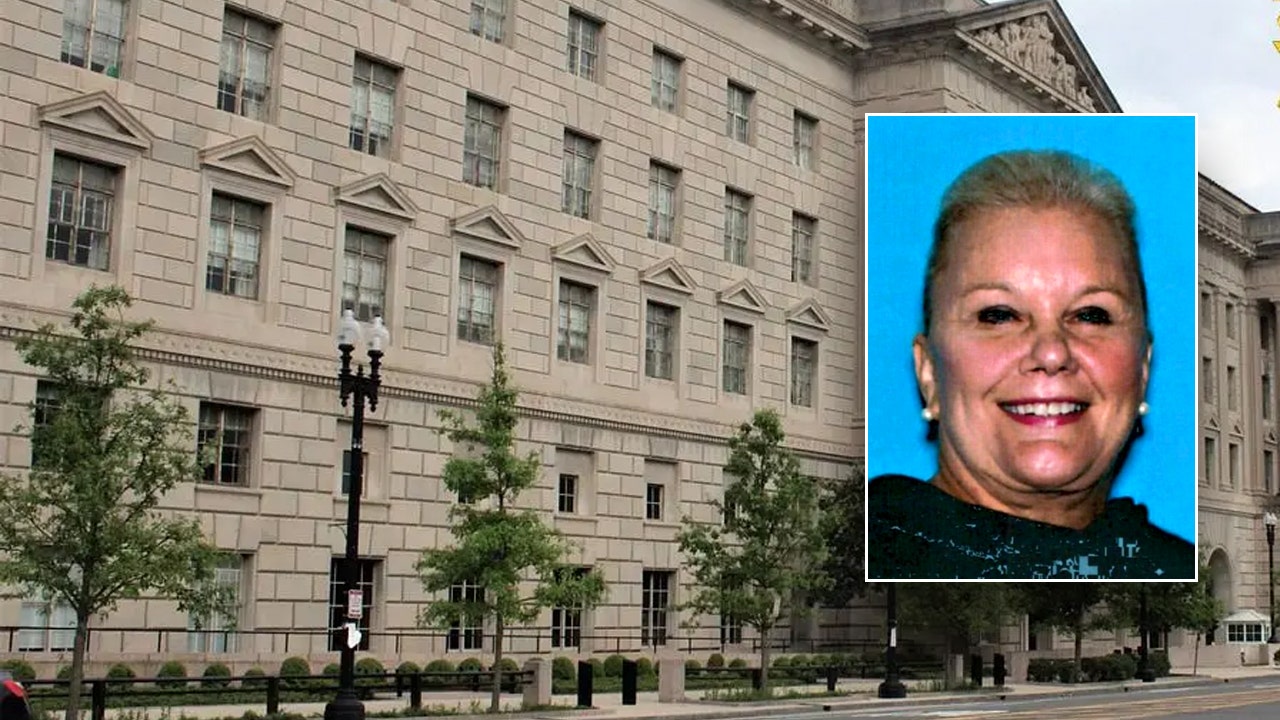
FBI Seeks 73-Year-Old Woman in Multi-Million Dollar Fraud Case
The Hunt for Mary Carole McDonnell: A Tale of Deception and Financial Fraud
The FBI has launched a nationwide search for Mary Carole McDonnell, a 73-year-old Michigan-born woman accused of orchestrating an elaborate fraud scheme worth nearly $30 million across Southern California. According to federal investigators, McDonnell operated in Los Angeles and Orange counties between July 2017 and May 2018, leaving a trail of financial devastation in her wake. The charges against her include bank fraud and aggravated identity theft—serious federal crimes that have kept her on the FBI’s wanted list since December 2018. What makes this case particularly fascinating is not just the scale of the alleged fraud but the methods McDonnell reportedly employed, using fabricated family connections and promises of hidden wealth to gain the trust of financial institutions.
The heart of McDonnell’s alleged scheme involved a compelling yet entirely fictitious backstory. She reportedly presented herself as an heir to the McDonnell Aircraft family fortune, claiming she would soon access a secret $80 million trust. This narrative—appealing to both the American fascination with inherited wealth and aviation history—apparently proved convincing enough to secure approximately $14.7 million from Banc of California alone. The FBI states that McDonnell knew she was not authorized to receive these funds and had no intention of repaying them. Beyond this primary fraud, investigators allege she employed similar tactics with other financial institutions, ultimately defrauding them of more than $15 million. The meticulous construction of her false identity suggests both careful planning and a deep understanding of how wealth signaling can override standard banking safeguards.
McDonnell’s professional life adds another layer of intrigue to her case. She previously served as CEO of Bellum Entertainment LLC, a Burbank-based production company that came under investigation itself by the California Labor Commission in 2017. According to reporting by Deadline, the company faced allegations of failing to pay wages to dozens of former employees. In a twist that now appears darkly ironic, McDonnell reportedly told these employees that the company couldn’t meet payroll obligations because of “significant bank fraud.” Whether this statement represented an unusual moment of partial truth-telling or was simply another strategic fabrication remains unclear. What is evident, however, is that McDonnell moved through professional spaces with enough authority and credibility to maintain positions of significant trust and responsibility.
The geographical scope of McDonnell’s connections reveals someone comfortable navigating diverse environments. The FBI notes documented ties to Los Angeles, Montgomery, Alabama, and Dubai in the United Arab Emirates. This international reach has complicated the search, as investigators now believe McDonnell may have fled to Dubai—a location often favored by those seeking to escape U.S. jurisdiction due to its luxury amenities and sometimes challenging extradition processes. Her physical description—a white female standing 5 feet 7 inches tall, weighing approximately 145 pounds, with blonde hair, blue eyes, and a distinctive scar on her right knee—has been widely circulated. Yet despite these specific identifying features, she has successfully eluded capture for years, suggesting resources, planning, and possibly assistance that extend beyond what most fugitives can access.
The case raises broader questions about vulnerability in our financial systems. How could one individual, regardless of her persuasiveness, extract nearly $30 million from sophisticated banking institutions? The answer likely involves a combination of factors: McDonnell’s apparent skill at social engineering, potential gaps in verification protocols at the affected banks, and perhaps the persistent challenge financial institutions face in balancing customer service with security. The scale of the fraud suggests that once initial trust was established, subsequent transactions may have faced decreasing scrutiny—a common pattern in cases where fraudsters build credibility through smaller, legitimate interactions before executing larger fraudulent ones. This case may ultimately serve as a costly lesson for financial institutions about the dangers of accepting elaborate backstories without rigorous verification.
As the search continues, the FBI has called upon the public for assistance, urging anyone with information about McDonnell’s whereabouts to contact their local FBI office or the nearest American embassy or consulate. This case represents more than just the pursuit of a single alleged fraudster—it stands as a reminder of how traditional notions of criminality often fail to capture the reality of white-collar crime. At 73, McDonnell defies stereotypical images of fugitives, yet the scale of her alleged crimes places her among significant financial criminals. Whether she will ultimately face justice remains uncertain. What is clear, however, is that her story—combining elements of identity fabrication, financial manipulation, and international flight—illustrates the evolving and complex nature of fraud in the modern era, where digital banking systems and global mobility create both opportunities for crime and challenges for law enforcement.