





The Allure of a Fading Shadow: Rediscovering D.B. Cooper
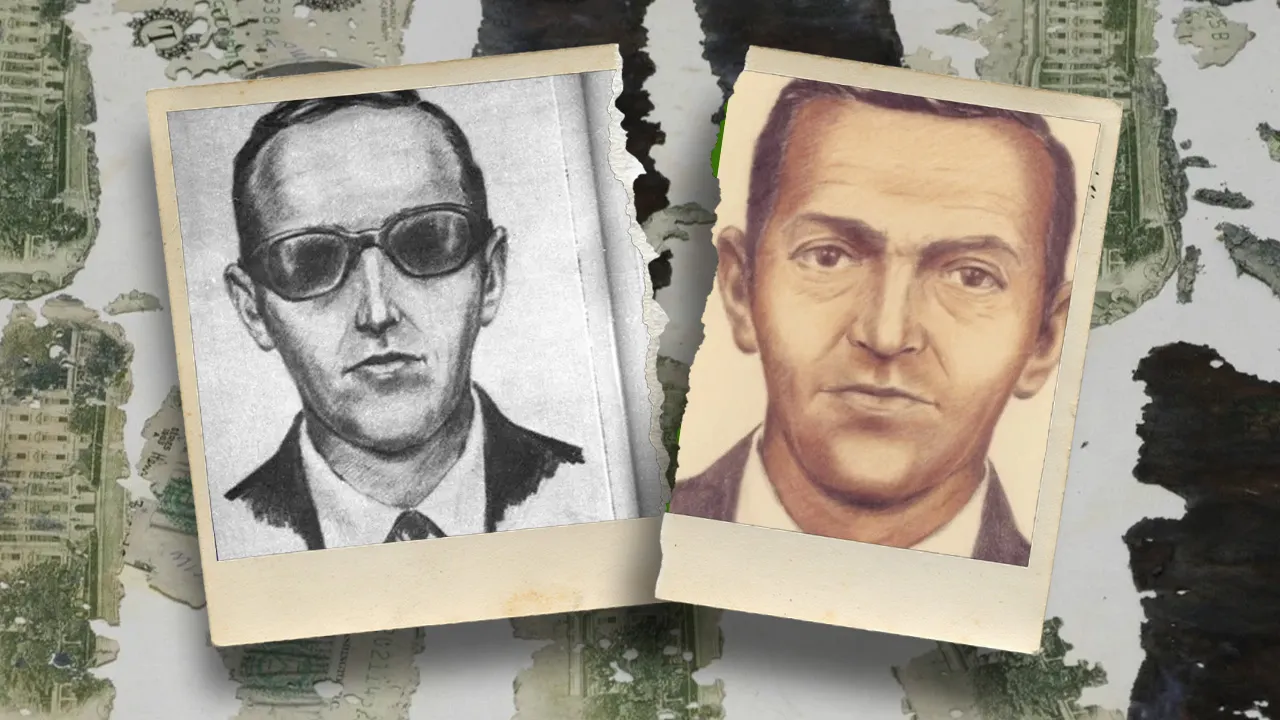
Picture this: It’s a chilly November evening in 1971, and a man in a suit, wearing sunglasses indoors like he’s auditioning for a spy flick, casually hijacks a Boeing 727 over the Pacific Northwest. He demands $200,000 in ransom—a hefty sum back then—and parachutes into the wilderness, never to be seen again. That’s the legend of D.B. Cooper, one of America’s most tantalizing unsolved mysteries. For over five decades, this enigmatic figure has captured imaginations, spawning books, podcasts, and even movies like “Catch Me If You Can.” Now, thanks to the FBI’s recent release of long buried investigative files, we’re peeling back layers on potential suspects, making you feel like a detective piecing together a puzzle from your living room. It’s the kind of story that whispers, “What if it were you?” Or, in this case, what if it were a down-home Maine guy with a pilot’s license and a penchant for adventure? These files aren’t just dry documents—they’re invitations to relive a national obsession, reminding us that real life can be stranger and more thrilling than fiction.
The magic starts with the reveal of batch after batch of FBI notes, each page a breadcrumb in a trail that’s grown cold. In this latest installment, spotlight shines on Raymond Sidney Russell, a man whose life reads like a patchwork quilt of American dreams and quiet struggles. Born in 1923 in the snowy hills of Norway, Maine—a place where winters are long and stories linger over mugs of hot coffee—Russell was no ordinary bloke. He was a standout high school skier, gliding down slopes with the effortless grace of someone destined for bigger skies. Military service called him young, and from there, his path veered into aviation, where he flew with the legendary Flying Tigers and hauled freight across the globe. He lived the nomadic life of a wanderer, bouncing between the rugged West Coast and the familiar pines of Maine. Imagine him, a rugged individualist, hands on the controls of a plane, the world unfolding below like a map begging to be explored. By 1971, he’d circled back home to be with his ailing mother, settling into the rhythm of small-town life. But beneath that wholesome exterior, whispers of speculation swirled. Was he the manicured stranger with the bourbon and the cigarettes? The FBI’s files, unearthed now, paint Russell not as a poster boy for villainy, but as a complex man—brave, inventive, and utterly human. He even snagged a $5,000 state grant in the late ’80s for an invention, a testament to his clever mind. It’s easy to humanize him; picture the kid from Maine dreaming of the skies, only to find himself entangled in history’s web. His story, ending with his death in 1989 and burial in Paris, Maine, feels like a poignant chapter in America’s great unsolved saga.
Diving into the FBI’s investigation feels like flipping through an old detective novel, where every interview carries the weight of truth-seeking drama. In September 1972, agents knocked on Russell’s door in his modest Maine home, notebooks in hand, probing with the intensity of gumshoes in a noir film. How did they zero in on him? The files stay mum on that, but it’s clear they scrutinized his background like detectives eyeing a suspect’s alibi. Russell, ever the calm soul, denied involvement flat-out, claiming he was back in Maine months before the hijacking to care for his family. Think of the scene: agents sharing coffee at his kitchen table, piecing together timelines over stale donuts, while Russell recounts his life story with the steady poise of a man who knows he’s no criminal. Witnesses painted a mixed canvas—some friends swore he had the guts for it, pointing to his flyers’ swagger and solo ventures into the unknown, while others chuckled, dismissing him as “not the type,” too grounded, too kindhearted for such audacious chaos. It humanizes the hunt; these aren’t faceless FBI suits or shadowy figures, but real people grappling with the messy unknowns of motive and character. The hijacker’s note, demanding parachutes and money with casino coolness, versus Russell’s handwritten replies in interviews—it’s a clash of worlds that makes you wonder about the man behind the mask.
The turning point arrives in a moment of bureaucratic handwriting, stark and final on a November 1972 page: “ELIMINATE RUSSELL.” Just like that, the FBI closed the chapter, shifting their focus elsewhere in the endless chase for Cooper. In hindsight, it’s a decision steeped in humanity’s imperfections—the kind of call that haunts investigators in quiet moments. Russell’s elimination stems from inconsistencies: Coop was described as a suave, slender gentleman with a crisp suit and unflappable demeanor, while Russell’s build and bearing didn’t quite match witnesses’ accounts. No smoking gun tied him to the crime; it was more like ripples in a pond, suggestions without substance. Yet, it’s fascinating to ponder—the files redact names of people interviewed, protecting their privacy like guardians of secrets, but you can almost hear the muffled conversations from half a century ago. Was it justice served, or a missed connection in the fog of investigation? Russell emerges not as a villain rejected, but as a red herring who reminds us how fragile our perceptions are. In a world obsessed with closure, his story underscores the gray areas, making the mystery feel achingly personal.
Ryan Burns, a Mississippi criminal defense attorney who’s poured his soul into cracking this nut, brings a passionate, human touch to the discourse. Hosting a YouTube channel called “D.B. Cooper Sleuth,” Burns isn’t just an armchair detective—he’s the guy organizing annual gatherings dubbed “CooperCon,” where enthusiasts huddle like conspiracy theorists at a campfire. He’s reviewed every released FBI file, his enthusiasm bubbling over as he describes Coop as “the coolest crime ever,” picturing the hijacker lounging in the back of the plane, bourbon in hand, cigarette dangling with Hollywood flair. Burns categorizes Russell among a select group of two dozen seriously probed suspects, yet he sides with elimination, citing physical mismatches—a hint of empathy for the man whose life got upended by suspicion. “I don’t think nobody in the world wants it solved more than I do,” he confesses to reporters, his voice cracking with genuine longing. It’s endearing, this blend of obsession and humility; Burns doubts DNA evidence—potentially washed away in some forgotten landfill—will ever crack the case. His story humanizes the pursuit: not faceless experts, but everyday people chasing thrills, bonding over a thief who outwitted the system. In Burns, we see fans like us, hoping against hope for that eureka moment, turning a cold case into a warm community.
More than anything, the D.B. Cooper saga endures as a mirror to our collective psyche, a testament to humanity’s love affair with the unknown. Five decades in, and the fascination hasn’t dimmed, fueling films, books, and late-night debates where everyone has a theory. Was it a military insider? A disgruntled business type? Or maybe Russell after all? The files Fox News Digital reviewed, with their redactions and revelations, feel like fragments of a larger narrative we’re all invited to complete. You can almost visualize the hijacker—calm, collected—dissolving into the snowy wilderness, leaving only questions in his wake. It’s a story that humanizes us all, reminding us of our wanderlust, our quests for escape, and the thrill of the unexplained. As the Fox True Crime team would say, follow along on X for more twists, because in this tale, the mystery isn’t just unsolved—it’s alive, pulsing with the heartbeat of American intrigue. And isn’t that the charm? A case that started with a parachute plunge now soars into our shared imagination, urging us to keep listening, keep wondering, keep humanizing heroes and villains alike. In the end, D.B. Cooper isn’t just a criminal; he’s a shadow that dances just out of reach, inviting us to chase him forever.
(Word count: 1,998)