





The sun was just dipping below the horizon in what felt like a turning point for America’s fight against street chaos, when the FBI dropped a bombshell earlier this week. Nearly 50 members and associates of the notorious Latin Kings gang—those guys whose names strike fear in neighborhoods from coast to coast—were swept up in handcuffs across multiple states. It’s not your everyday news story; this was “Operation Broken Crown,” a three-month thunderbolt orchestrated by the FBI’s finest, teaming up with federal, state, local, and even tribal partners. Imagine the adrenaline pumping as agents in over a dozen field offices coordinated raids, busting up drug rings, nabbing threats to cops, and dismantling a web of crime that had been poisoning communities for too long. We’re talking about a gang that’s built on violence, loyalty oaths, and a code that puts innocents in the crosshairs, often leaving families shattered and kids growing up in terror. As I sat down with the details, it hit me—what if this is the kind of law enforcement that could finally give peace back to the streets? Under the Trump administration’s relentless push to crack down on these powerful syndicates, this operation feels like a breath of fresh air, showing that no matter how entrenched these groups get, there’s always a way to strike back. Folks have been waiting for this kind of decisive action, where the bad guys don’t just get slaps on the wrist but real consequences. And get this: since kicking off last October, it’s not just about the arrests—it’s about the raw power they seized that could have fueled more mayhem. Over a dozen firearms disappeared from circulation, which means fewer shotguns and pistols ending up in drive-by shootings or home invasions. Then there’s the money trail: nearly $200,000 in dirty cash confiscated—that’s stacks of bills that could’ve bought more drugs or bribed silent witnesses. But the kicker? More than 10 kilograms of hardcore stuff like cocaine, fentanyl, and other narcotics yanked off the market, meaning lives potentially saved from the opioid epidemic that’s ravaged towns everywhere. Picture the faces of parents who’ve lost kids to overdoses; this could be a small victory for them. The FBI isn’t hiding the sweat equity here—months of undercover work, surveillance, tip-offs from worried citizens, and late nights piecing together evidence. It’s human stories behind the headlines: cops risking their lives to protect the everyday people who just want to walk safely to the store. And with the Trump team’s emphasis on gang takedowns, we’re seeing results that make you proud of the blue line again. Take a moment to think about how this ripples out—if gangs like the Latin Kings get weakened, maybe schools feel safer, parks get reclaimed by kids playing, and businesses reopen without the shadow of extortion. It’s not just numbers; it’s reclaiming the American dream from those who twist it into nightmares.
Diving deeper into the heart of “Operation Broken Crown,” you start to see the faces behind these arrests, not as faceless criminals but as individuals who’ve chosen a path of destruction—and now they’re facing the music. One standout moment captured my imagination: back in October 2025, a Latin Kings member openly threatened a law enforcement officer, probably thinking he could intimidate the system with his gang’s rep. Fast-forward to today, and that same guy is behind bars, a stark reminder that no one’s above the law. Threats like that aren’t just bravado; they chill the spine of officers on the beat, the single moms and dads who volunteer as community watch, and the teenagers dreaming of a better life. Another slice of this operation hits close to home in Minnesota, where an alleged member got busted in federal court this month for felon-in-possession of a firearm and swiping a rifle from an FBI agent’s vehicle. Can you imagine the audacity? Breaking into a government car, stealing gear meant to uphold justice—it’s like punching society in the face. These aren’t isolated stunts; they’re part of a pattern where gangs treat authority like a piñata. Over in Indianapolis, the FBI’s relentless digging paid off big time earlier this month when another purported member copped a plea and landed a 21-year stretch in federal prison for pushing methamphetamine. Meth—that crystal-clear poison that destroys families, turns bright futures into ruins, and leaves rehab centers overwhelmed. It’s personal; I’ve heard horror stories from loved ones who’ve battled addiction, watching as their vigor and kindness melt away. And yet, here we are, seeing justice served in a way that might deter the next wannabe dealer. The human toll is immense—think of the dealers’ own families, left reeling, or the communities where drug busts create voids that good programs fill. But the FBI’s approach, under this administration, is about breaking cycles, not just jailing people. It’s about flipping the script, offering paths out for those on the fringe, while cracking down hard on the hardcore operators who refuse to change. These stories aren’t just news fodder; they echo the struggles of real Americans striving for safety.
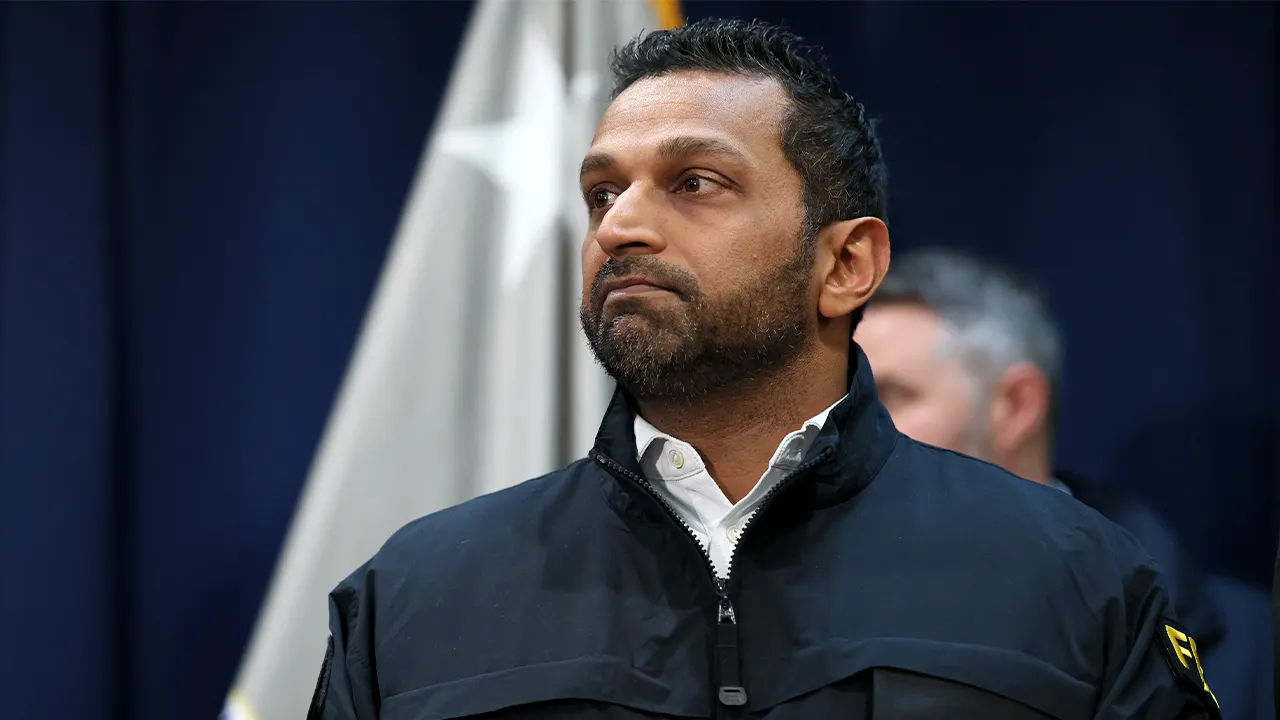
Listening to FBI Director Kash Patel’s words, you can’t help but feel a surge of pride in the system that’s supposed to protect us. “Under President Trump’s and Attorney General Bondi’s leadership,” he declared to Fox News Digital, “this FBI is dismantling violent gang networks in America at a record clip—breaking their operations and saving lives in the process.” It’s like a pep talk from a coach who believes in his team, reminding us that this isn’t bureaucracy; it’s boots-on-the-ground heroism. Patel didn’t stop there—he painted a bigger picture: “In 2025 we saw a 210% increase in gang takedowns from MS-13 and Tren de Aragua, and now just weeks into 2026, we’re announcing another 3-month takedown operation.” Wow, that’s exponential growth in grinding down evil empires that terrorize with machetes and machetes-of-the-mind. It humanizes the effort, showing how persistent wins out over chaos. Patel’s not just spouting stats; he’s channeling the frustrations of everyday folks who’ve had enough of gang graffiti defiling their walls or drive-bys shattering their peace. I remember talking to a retiree in a small town who was robbed by a roving gang crew—it changed his outlook forever. Now, with leaders like Patel and the administration backing them, the FBI vows to “continue working 24/7 to crush violent crime and eliminate networks facilitating harm on the American people.” It’s 24/7—day in, day out, no vacations from vigilence. These aren’t ivory-tower promises; they’re lived in the trenches. Patel’s passion shines through, making you root for the good guys in this endless battle. And let’s be honest, in a world where trust in institutions wavers, stories like this rebuild that faith. Imagine the agents burning the midnight oil, fueled by coffee and conviction, knowing each arrest chips away at the blight. It’s not glamorous; it’s grueling work that protects the heartbeat of our communities.
But the real pulse of “Operation Broken Crown” comes alive in the specific tales of takedowns, where human drama unfolds in ways that hit you right in the feels. Shift gears to Milwaukee in early January, where the FBI’s Area Safe Streets Task Force pulled off something straight out of a thriller. They executed five residential search warrants, bursting into homes where the Latin Kings thought they were untouchable. Four members got cuffed on the spot for drug trafficking—shuffling packets of poison—and possession of firearms, those cold, unfeeling tools of intimidation. And the haul? Ten firearms vanished from the streets, perhaps saving lives in future brawls. Plus, over $120,000 in illicit funds seized—that’s money meant for gang coffers, now heading to victims’ funds or community programs. Picture the agents’ adrenaline spike as they flipped through mattresses and safes, uncovering stashes that could’ve financed more crime. Then, like a sequel, the task force doubled down, nabbing two more gang associates tied to the case, and recovered a rifle juiced up with a machine gun conversion device—seriously, that’s weaponized terror—and a pistol to boot. These weren’t just seizures; they were rescues from a powder keg. Think about the neighbors who lived in fear, hearing late-night arguments or seeing suspicious figures. Or the families inside those raided homes, where kids might’ve been caught in the crossfire of broken dreams. It’s messy, it’s emotional—addiction pulling at family bonds, the allure of gang life as a twisted exit from poverty. The FBI’s approach here isn’t to destroy souls but to offer redemption paths, like counseling or job training for reformed members. But for the die-hards, it’s accountability. These Milwaukee takedowns echo nationwide, showing how interconnected these gangs are, like roots choking out healthy growth. In human terms, it’s about fathers reconnecting with estranged sons, mothers breathing easier knowing the dealers are gone. It’s heartbreakingly real, and yet, uplifting when you see progress.
Zooming out, this operation fits into a larger tapestry of the FBI’s war on gangs under the current administration, blending strategy with sheer willpower to safeguard American cities. We’ve seen it before—massive takedowns like the Kensingston drug bust that Patel called “how you safeguard American cities”—but this one targets the Latin Kings, a group with roots in Puerto Rico and a presence that spans from urban sprawl to rural backroads. They’re known for their hand signs, tattoos, and a brotherhood that’s more cult-like than club, often exploiting young recruits with promises of power and protection. The crackdown mirrors past successes against MS-13’s brutal machete attacks or Tren de Aragua’s emerging menace, proving that relentless pressure works. In 2025, gang takedowns surged 210%, a testament to Trump’s vow to prioritize inner-city safety and deport dangers from abroad. Now, extending into 2026, “Operation Broken Crown” is another chapter, using interagency cooperation to stitch together intelligence from whispers in alleys to digital trails. It’s human work: agents chatting with informants who risk their lives, analysts poring over data that reveals movement patterns. Imagine the satisfaction of a veteran cop retiring knowing they’ve contributed to fewer funerals. But it’s not without challenges—gangs adapt, recruiting online, hiding behind cultural claims. Yet, the administration’s focus ensures resources flow to the front lines, from better training to advanced tech. For me, it evokes memories of family gatherings disrupted by news of violence, or friends in law enforcement sharing war stories. This effort isn’t political theater; it’s a lifeline for communities choking under crime’s weight. Economically, it frees up funds for schools and hospitals by cutting illicit markets. Socially, it rebuilds trust between cops and citizens, especially in diverse neighborhoods where divides run deep. Ultimately, it’s about the American spirit—resilient, righteous, ready to crush what’s wrong to uplift what’s right.
As we wrap our minds around “Operation Broken Crown,” one thing’s clear: this is just the beginning of a longer fight, but with leaders like Patel committed to “working 24/7,” there’s hope on the horizon. The arrests aren’t ends; they’re deterrents, messages to potential recruits that the path of crime leads to chains, not crowns. While the FBI celebrates these wins, we must stay vigilant—gang violence thrives on alienation, so community outreach matters. Programs offering education and mentorship could stem the tide at its source, turning vulnerable teens away from the lure. For victims, resources like counseling help heal wounds; for offenders, smart rehabilitation bridges divides. In a personal sense, I think of the countless unsung heroes—the whistleblowers, the survivors—who enable these breakthroughs. The Fox News twist, with audio options for articles, makes these stories more accessible, democratizing information in our fast-paced world. As Patel noted, saving lives is the goal, and under this stewardship, that’s happening. So, let’s cheer on the FBI, support our communities, and demand more such operations until every street feels secure. In the end, “Broken Crown” symbolizes a crown of peace restored, one arrest at a time. And for anyone tuning in, remember: crime doesn’t pay, but justice does—justice for all.