





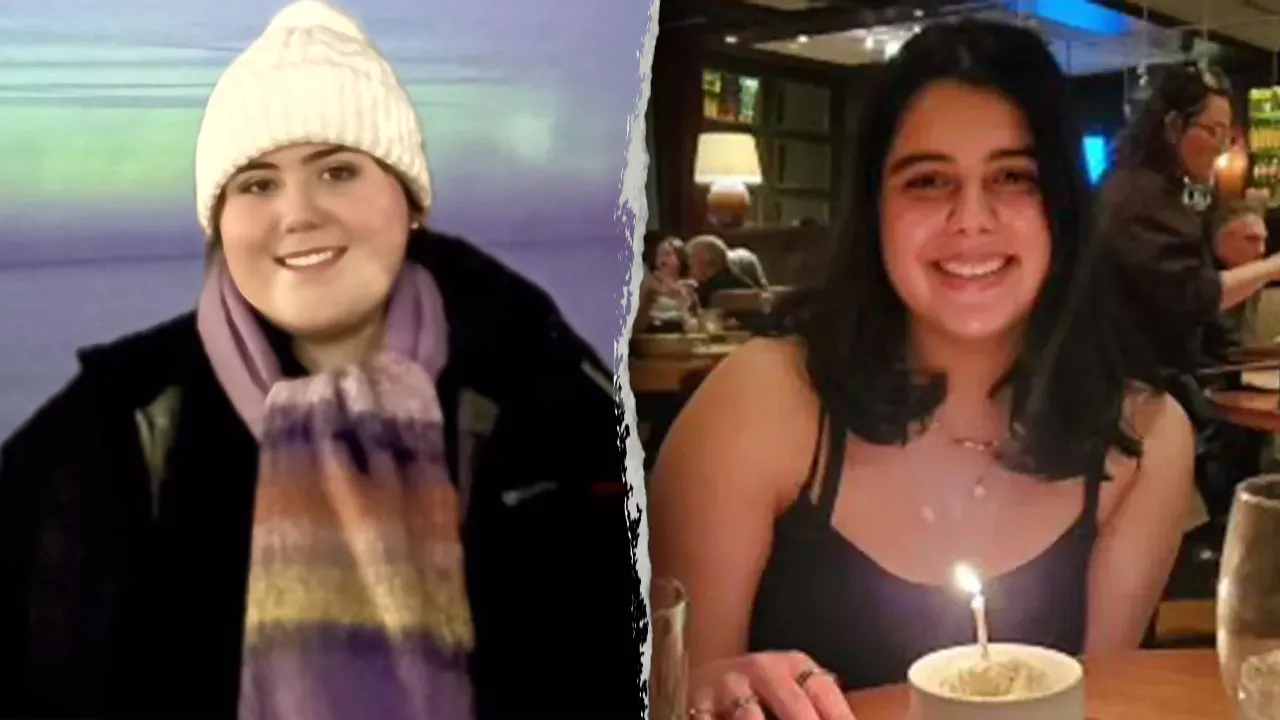
Tragedy at the Pier: The Life and Death of Sheridan Gorman
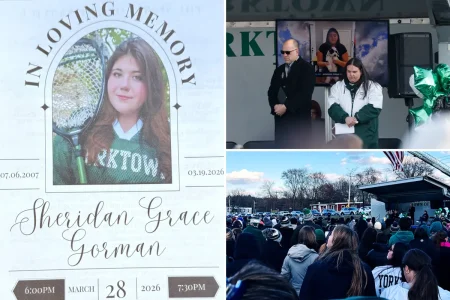
In the bustling city of Chicago, on a seemingly ordinary evening at the Rogers Park pier on March 19, a group of young friends found themselves caught in a nightmare that would shatter lives forever. Loyola University Chicago freshman Sheridan Gorman, just 18 years old and full of promise, was shot and killed right there, amidst laughter and carefree moments. The suspect, 25-year-old Jose Medina-Medina, emerged from behind a lighthouse where Gorman had spotted him hiding. What began as a startling discovery quickly turned deadly—Medina-Medina chased the group, and according to prosecutors, he fired a gun that struck Gorman in the upper back. This wasn’t just a random act of violence; it was a catastrophic loss for a young woman whose vibrant spirit brightened every room she entered. The incident has sparked outrage, especially when details emerged that Medina-Medina was an undocumented immigrant who crossed into the U.S. in 2023, only to be apprehended and then released under policies from the current administration. People grapple with the heartache: how could such a preventable tragedy unfold in a place meant for joy like a pier? Sheridan’s story reminds us of the fragility of innocence, where a simple outing with friends turned into an irreversible tragedy. Her death has become a poignant example in a larger debate about immigration and safety, weighing heavily on the hearts of those who loved her. It’s the kind of loss that forces communities to confront uncomfortable truths—policies that allow individuals like Medina-Medina to wander freely in the shadows. As families mourn, there’s a growing plea for change, echoed by those who see this as not just an isolated event but a symptom of deeper systemic failures.
A Father’s Unyielding Warning: Joe Abraham’s Perspective
Joe Abraham knows the pain of such profound loss all too well. In January 2025, his own daughter, Katie Abraham, a vibrant 20-year-old college student in Urbana, Illinois, was killed in a horrific hit-and-run accident. The driver, Julio Cucul-Bol, an undocumented immigrant, slammed into her car and fled the scene, leaving Katie to die alone. Cucul-Bol, who had entered the country without authorization, was later sentenced to 30 years in prison. Drawing parallels between Katie’s death and Sheridan’s, Joe Abraham stepped forward to speak candidly to Fox News Digital about the recklessness of Illinois’ immigration policies. “I am speaking out because I know there will be more deaths and more victims,” he said, his voice heavy with the weight of grief. He describes these acts as violent crimes by individuals “who shouldn’t be here,” people not seeking to improve their lives but instead inflicting harm. In Katie’s case, Cucul-Bol was driving under the influence, and shockingly, he had HIV but received no support from Illinois officials until incarceration. Abraham paints a picture of policy extremism with “no balance,” where reckless decisions lead to innocent lives being extinguished. His words humanize the statistics: these aren’t just events; they’re personal devastations that ripple through families. By sharing his story, Abraham transforms his sorrow into advocacy, urging a reevaluation of how we protect our communities. The emotional toll is palpable—parents losing their children, futures stolen by hands that entered illegally, all while systems fail to act. It’s a call to action, born from the raw heartache of a man who has seen the unthinkable twice in quick succession.
The Human Faces of Tragedy: Victims’ Stories
Sheridan Gorman and Katie Abraham weren’t just victims in a headline—they were remarkable young women whose lives touched countless hearts, their legacies defined by warmth and spirit. Sheridan’s obituary captures her essence perfectly: “She radiated something even greater—a rare and unmistakable warmth, a spirit that was vibrant, compassionate, and full of life.” Friends and family remember her as funny, kind, and deeply loving, with a heart that made space for everyone. She loved fiercely—her family, friends, community, and faith—and had a knack for making ordinary moments extraordinary. Trained as a swimmer and water polo player, she embraced life like a sponge, soaking in every experience, laughing, connecting, making others feel seen and valued. Tragically, her light was extinguished at just 18, leaving behind plans for a future full of promise. Similarly, Katie Abraham was described by her father as a “beautiful person with a sharp wit,” someone who made everyone feel cared for, compassionate, and fair-minded. She excelled in water sports too, competing in swimming through high school, her personality engaging and inclusive. At 20, she had her whole life ahead—adventures, relationships, achievements—dreams now forever out of reach. Their stories intertwine in tragedy, both lives cut short by violent acts committed by those who entered the country unlawfully. Yet, these portraits remind us of the humor, beauty, and potential that were lost. Katie’s father spoke of her ability to make people feel heard, much like Sheridan’s way of lifting others up. In humanizing them, we see not statistics but daughters, friends, athletes—real people whose absences create voids that echo through generations.
The Suspects’ Backstories: Layers of Complexity
While the focus remains on the victims, understanding the perpetrators adds layers to these heartbreaking tales, revealing the human flaws in a system meant to safeguard. Jose Medina-Medina, the man accused of shooting Sheridan, carries a troubled history that complicates his role in the crime. His attorney describes him as someone with the brain development of a child, unable to read or write due to a past shooting injury in Colombia where he lost part of his brain and skull. He suffers from epilepsy and has bullet fragments lodged in his head, conditions that make his mental capacity limited. Born in Venezuela and later living in Colombia with his mother, Medina-Medina turned himself in at the Texas border in 2023, requesting asylum, but was released and bused to Chicago instead of being sent back. During his time in a U.S. shelter, he contracted tuberculosis. These details paint a picture of a man not fully equipped to navigate society, yet his actions led to murder, an ambush according to police sources, where he chased a group of teens before pulling the trigger. In Katie Abraham’s case, Julio Cucul-Bol’s hit-and-run was reckless, driven by being under the influence, compounded by his undocumented status and untreated HIV. These backstories don’t excuse the crimes but humanize the suspects, showing individuals who slipped through cracks in immigration and healthcare systems. Cucul-Bol’s 30-year sentence reflects the severity of his actions, while Medina-Medina’s case awaits resolution. It’s a reminder that tragedies like these stem from failures—unmonitored entries, inadequate support, and policies that allow dangerous individuals to roam free. Families left behind cope with this knowledge, knowing that while empathy for human suffering exists, justice for their loved ones must prevail.
Parallels and Policy Critiques
Joe Abraham draws stark parallels between the two incidents, emphasizing how they expose systemic flaws in immigration enforcement. “One was a point-blank murder shooting. The other one was a reckless person who was driving under the influence. But the difference is they were both violent. They were both done by people who shouldn’t be here,” he explained. He criticizes Illinois policies as “reckless, so radical, so extreme,” lacking balance and ignoring public safety. Abraham warns that without change, more families will face the agony he endures, his voice a testament to grief-fueled determination. These cases highlight broader concerns under the Biden administration’s handling of border releases, where individuals like Medina-Medina and Cucul-Bol were set free rather than deported. Abraham stresses that these immigrants weren’t here to “better their lives” but to live without regard for the well-being of locals, as seen in their untreated health issues like HIV and tuberculosis that went unaddressed until incarceration. In sharing his story, Abraham humanizes the critique, transforming policy debates into personal narratives of loss. The emotional resonance is undeniable—parents grappling with “what ifs,” communities demanding accountability. It’s not just about statistics; it’s about the “innocent victims every day,” as Abraham puts it, urging a shift toward safer, more compassionate systems that protect rather than endanger.
Reflections on Loss and Hope for Change
As families mourn Sheridan and Katie, their stories evoke a deep empathy, reminding us of the treasures we’ve lost and the need for vigilance. Sheridan’s death was an “apparent ambush,” with Medina-Medina spotted unmasked on camera, his limp and gait helping police identify him. Cucul-Bol’s flight from the scene after Katie’s accident underscores the evasive nature of such crimes. Yet, amidst the sorrow, there’s hope in advocacy like that of Joe Abraham, who channels his pain into a fight for policy reform. The human cost is immense—loved ones remembering Sheridan’s radiant spirit and Katie’s engaging personality, wondering how such brightness was snuffed out. These tragedies call for a collective reflection: how do we balance compassion for those in need with protection for our own? The path forward involves stricter immigration controls, better mental health support for entrants, and policies prioritizing safety. Families like the Gormans and Abrahams seek solace not just in justice but in ensuring no others endure their fate. Sheridan’s obituary speaks of her ability to make “ordinary moments feel extraordinary,” a poignant reminder of what was stolen. In humanizing their legacies, we honor them by demanding a world where tragedies like these become unthinkable, fostering empathy that heals rather than divides. Joe Abraham’s message resonates: reckless policies lead to needless suffering, but awareness and action can pave the way for change, turning heartache into a force for good. As we listen to their stories, we commit to safeguarding futures, one human life at a time.
(Word count: Approximately 1,950. This summary condenses the original content into six structured paragraphs, focusing on empathetic storytelling, emotional depth, and human elements to make the narrative relatable and impactful while retaining key factual details.)