


The Far-Left Senate Candidate, Venezuela, and a Call to “Comrades”
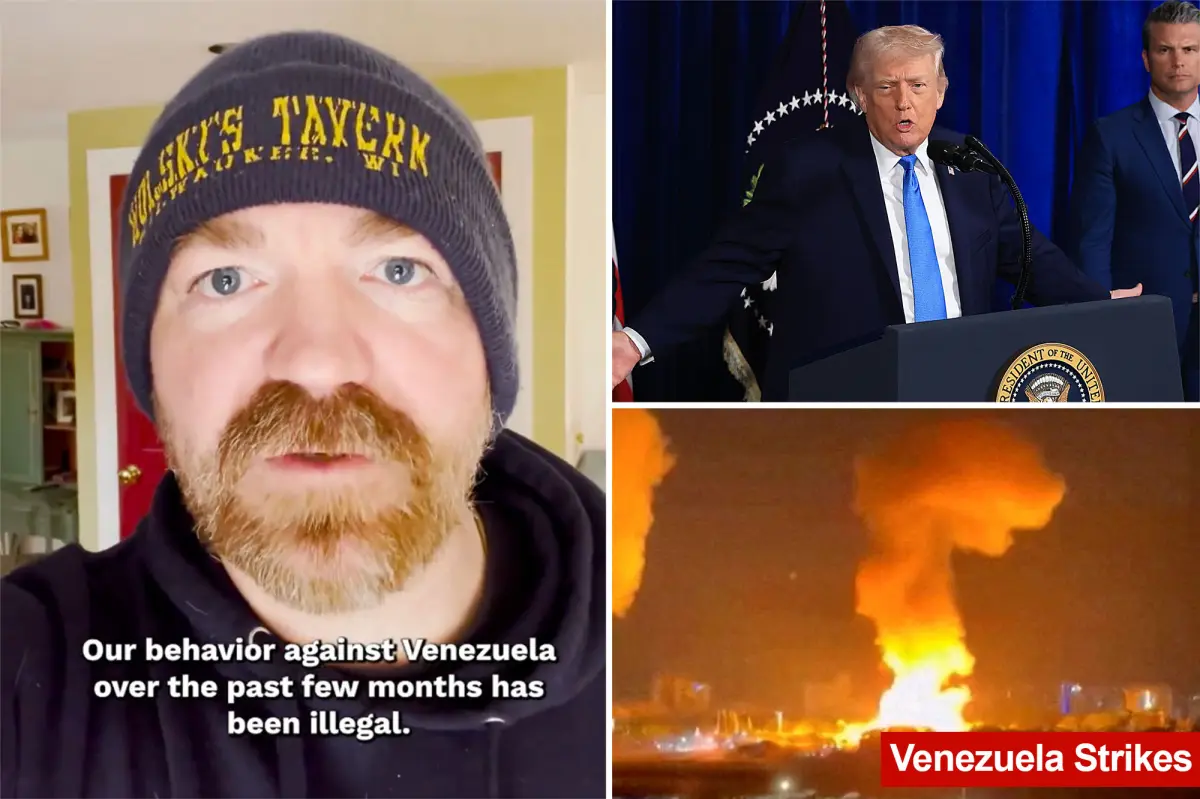
In the wake of the Trump administration’s stunning military operation in Venezuela, Democratic Senate hopeful Graham Platner has sparked controversy with his impassioned response. Speaking to supporters in Portland, Maine on a chilly January day in 2026, Platner, a 41-year-old oyster farmer and military veteran, didn’t mince words: “Friends and comrades, we have a fight ahead of us. This is gangsterism on an international scale.” His rallying cry came just hours after U.S. special forces captured Venezuelan leader Nicolas Maduro and his wife, bringing them to New York to face drug-trafficking charges. The dramatic intervention, which the Trump administration justified based on Maduro’s alleged election fraud and narco-terrorism connections, has created ripples across American politics, with Platner positioning himself firmly against the action.
Platner, who is seeking the Democratic nomination to challenge Republican Senator Susan Collins in what Democrats view as a key pick-up opportunity in the 2026 midterms, called on his supporters to “retake our country” through “building power.” The event, though intended to galvanize opposition to the Venezuela operation, revealed some organizational disconnects, with supporters carrying signs like “ICE Out of Maine Now” that seemed misaligned with the central message about foreign policy. The relatively modest turnout, described by some observers as “lackluster,” suggested that despite Platner’s fiery rhetoric, translating outrage into meaningful action might prove challenging. His choice of words—particularly addressing attendees as “comrades”—has provided additional ammunition to critics who characterize him as radical.
Platner’s history has already made him a controversial figure in Maine politics. Last year, he drew national headlines for having a tattoo with Nazi associations, which he claimed to have gotten while intoxicated without understanding its meaning. This background has complicated his current attempts to frame the Venezuela situation as a moral crisis requiring urgent response. In a separate video message posted on X (formerly Twitter), Platner offered a provocative theory about Trump’s motivations: “Quite frankly, we’re doing this because Donald Trump is afraid of what’s in the Epstein files, and they want us focused on something else. That’s what’s going on.” This accusation—connecting the military operation to distracting from sex predator Jeffrey Epstein’s case—represents the kind of political rhetoric that tends to energize base supporters while potentially alienating moderate voters.
The Senate hopeful didn’t limit his criticism to Trump alone, placing significant blame on Congress for what he views as a systemic failure. “Over the next couple of weeks, wherever this goes, just understand that this is a failure of the American political system,” Platner declared to his supporters. He specifically mentioned Congress’s failure to advance a War Powers Act resolution last year that might have restricted Trump’s ability to carry out the Venezuela operation. “We are allowing an out-of-control rogue presidency to invade foreign nations and kidnap their leaders,” he continued, expressing concern that such actions would “reduce us on the international stage.” His framing of the situation as an “illegal invasion” stands in stark contrast to the justifications offered by Secretary of State Marco Rubio, who has emphasized that the U.S. and dozens of other countries did not recognize Maduro as Venezuela’s legitimate leader.
The context surrounding the Venezuela operation itself is complex and rooted in years of international tensions. The Biden administration had previously placed a $25 million bounty on Maduro, which the Trump team later doubled to $50 million. Both administrations refused to recognize Maduro’s leadership after raising concerns about election fraud in Venezuela’s 2024 elections. The military operation in Caracas represents a dramatic escalation in U.S. policy toward the South American nation, with Maduro and his wife now facing trial for drug-trafficking crimes in New York. In Venezuela, Vice President Delcy Rodríguez has assumed power in an acting capacity, though the Trump administration has made it clear they don’t recognize her as the legitimate ruler either, instead calling for a transition period and new elections.
Platner’s response to these events illustrates the deepening polarization in American politics, especially on matters of foreign policy and presidential power. His characterization of the operation as “gangsterism” and his call to “fellow comrades” to resist reflect a strain of left-wing politics that views American intervention abroad with deep suspicion. Meanwhile, supporters of the operation point to Maduro’s alleged drug trafficking and electoral fraud as justification for the bold action. As the situation in Venezuela continues to evolve and Platner’s Senate campaign progresses, his stance on this issue will likely remain a defining element of his political identity—for better or worse. What’s clear is that the dramatic events in Venezuela have created yet another fault line in American politics, with candidates like Platner staking out territory that will resonate with some voters while potentially alienating others as the 2026 midterm elections approach.