





A Family’s Grief and Relief: Justice in the Making After a Tragic Double Homicide
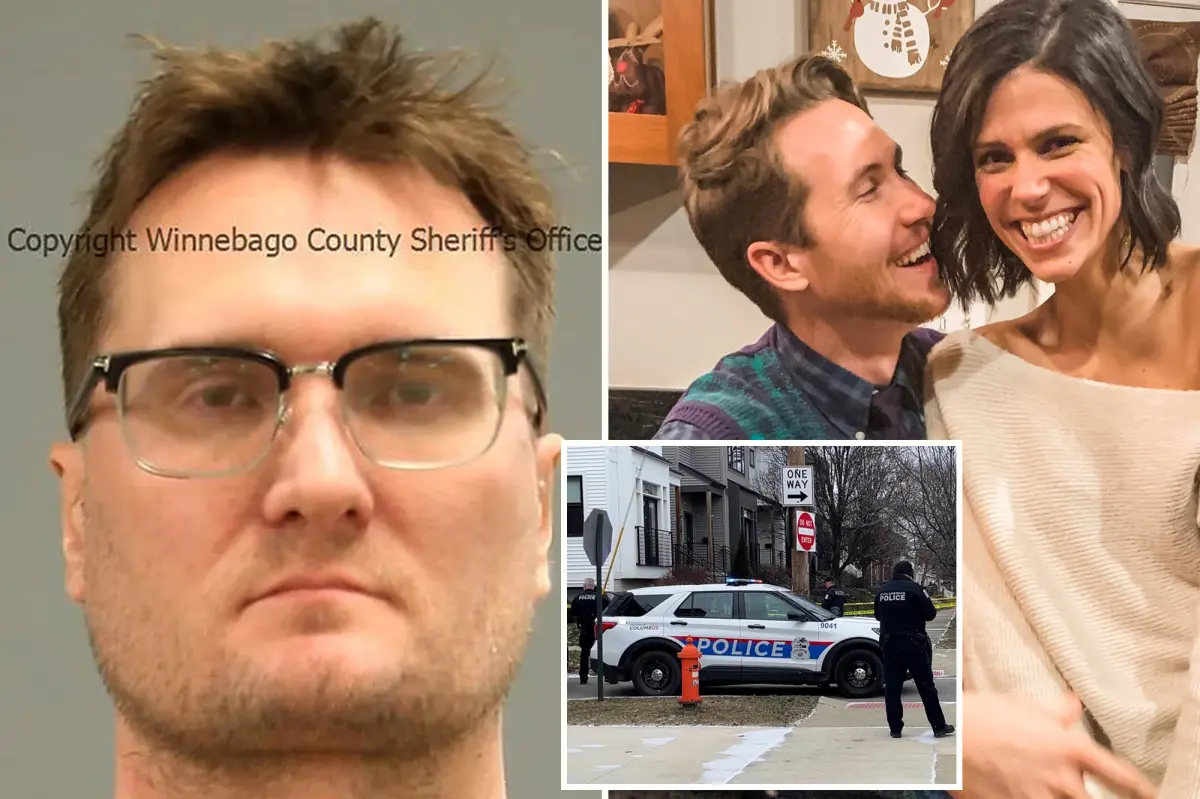
In the quiet aftermath of tragedy, a grieving family finds a small measure of comfort in the arrest of Michael David McKee, a 39-year-old Chicago doctor. McKee was taken into custody on Saturday in connection with the December murders of Monique Tepe, 39, and her husband Spencer, 37, who were fatally shot in their Ohio home. The arrest came as no surprise to the family, according to an anonymous relative who spoke to the Daily Mail following a gathering held the day after McKee’s capture. “It was absolutely not a shock to anybody, we had all expected it, but we weren’t saying that, because we didn’t want to compromise the investigation,” the relative confided. “We are all breathing a bit of a sigh of relief, because they got him.” This sentiment reveals the difficult position many families face during homicide investigations—balancing their private suspicions against the need to protect the integrity of police work.
The tragic events unfolded in the early morning hours of December 30, when Monique and Spencer Tepe were shot in the upstairs of their Weinland Park neighborhood home in Columbus, Ohio. Police records indicate Spencer, a dentist, sustained multiple gunshot wounds, while Monique suffered at least one shot to the chest. In a detail that compounds the heartbreak of this case, the couple’s two children and family dog remained unharmed inside the home during the attack. The timing of the shooting, estimated between 2 a.m. and 5 a.m., suggests the victims may have been asleep or had little opportunity to defend themselves, adding another layer of horror to an already devastating situation. The family has been careful to shield the children from additional trauma while they process the loss of both parents in such violent circumstances.
The connection between McKee and the victims centers on his previous relationship with Monique—they were briefly married before divorcing in May 2017. According to the Columbus Dispatch, records indicate their divorce had been amicable, raising questions about what might have triggered such a violent act years later. Curiously, the family member who spoke to reporters mentioned that, as far as they knew, Monique and Spencer hadn’t reported any issues or concerns regarding McKee in the weeks before their deaths. This absence of obvious warning signs is not uncommon in cases of premeditated violence, where perpetrators may carefully conceal their intentions until the moment of action. The family’s apparent lack of surprise at McKee’s arrest suggests there may have been underlying tensions or history unknown to the wider public but recognized by those close to the situation.
The investigation that led to McKee’s arrest involved careful detective work by Columbus police. Nearly a week after the murders, authorities released surveillance footage showing a “person of interest” walking down an alley near the couple’s home during the estimated timeframe of the shootings. While family members initially dismissed the video, suggesting it might simply show “somebody walking home drunk from a bar,” investigators were following a more concrete lead. They had tracked a vehicle that arrived in the neighborhood before the homicides and later left for Rockford, Illinois. This vehicle was ultimately identified as belonging to McKee, establishing a crucial link between the suspect and the crime scene. Such methodical police work illustrates how modern homicide investigations often combine traditional surveillance with technology-assisted tracking to build their cases.
McKee’s professional background adds another dimension to this tragic story. Public records show he completed medical school at Ohio State University and maintained medical licenses in both Illinois and California. Since 2020, he had moved between different states, including Virginia, where he and Monique had previously lived together. At the time of his arrest, McKee was working as a vascular surgeon at a practice in the Rockford area, where authorities later located his vehicle. His career in medicine presents a stark contrast to the violent crimes he’s now accused of committing—a reminder that professional success and education don’t preclude individuals from allegedly committing acts of extreme violence. This dichotomy often makes such cases particularly disturbing to the public, challenging our assumptions about who might be capable of murder.
As the legal process begins, McKee remains incarcerated in Illinois awaiting extradition to Ohio, with a court appearance scheduled for Monday. Police have yet to publicly identify a motive for the killings, leaving many questions unanswered for both the community and the victims’ loved ones. The relative who spoke to reporters expressed relief at McKee’s capture but acknowledged this is just the beginning of a long journey toward justice and healing. For the children who lost both parents and the extended family now responsible for their care, the arrest represents not an ending but merely a transition to a new phase of grief—one where they must balance their need for justice with the equally important task of rebuilding their lives in the shadow of unspeakable loss. As this case moves through the justice system, the family’s priority remains protecting these children while preserving the memory of Monique and Spencer Tepe, whose lives were cut tragically short.