



The Tragic Loss of a Young Life Along Chicago’s Waterfront
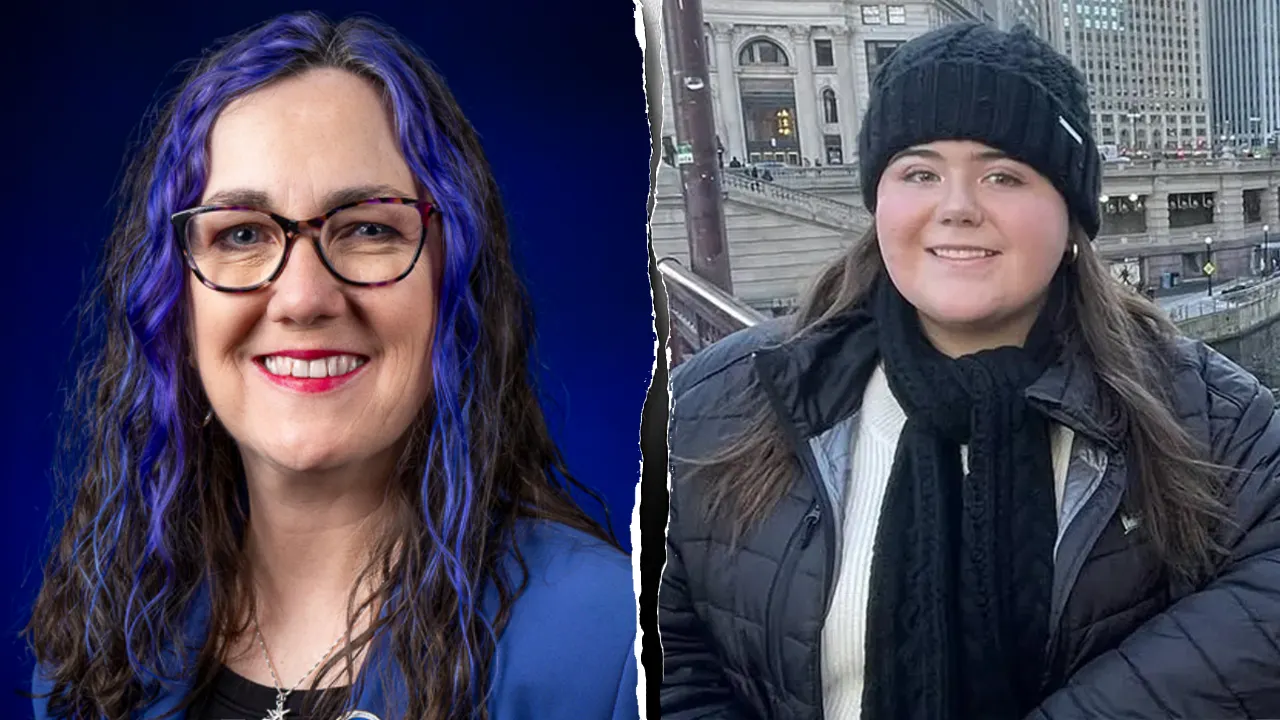
Imagine waking up to the news that an 18-year-old full of life and promise was gunned down in the dead of night on a Chicago pier. That’s the heartbreaking reality for the loved ones of Sheridan Gorman, a freshman at Loyola University Chicago who had moved from New York to chase her dreams. She was described by those who knew her as radiant, with an “unmistakable warmth” that lit up any room. Her family and friends painted a picture of a vibrant young woman who poured her heart into her community—family dinners, laughs with friends, and building a new chapter at college. But on March 19, 2024, around 1:06 a.m., that future was cruelly snatched away when Jose Medina-Medina allegedly shot and killed her while she was out in the city. It’s a story that hits close to home, reminding us how fragile life can be and how one moment’s violence can shatter countless dreams. As I dive into this tale, I can’t help but feel a personal pull—how often do we take for granted the safety of our streets, the freedom to walk without fear in urban spaces like Rogers Park’s piers? Sheridan’s story is a stark wake-up call, not just about crime, but about the systems that fail to protect the innocent. Her obituary speaks volumes: she was just starting her life’s next adventure, eager and full of potential, yet ended up as a victim in a senseless act. Reading about her “radiated warmth” makes it real, human—it’s not just a statistic; it’s a daughter, a friend, a student whose light was extinguished too soon. This isn’t some distant tragedy; it’s a punch to the gut that makes you question if our society is doing enough to keep our young safe. And beneath the grief, there’s simmering anger and sorrow over how this happened—who was allowed into our country, and why?
The Suspect’s Path and a Nation’s Borders
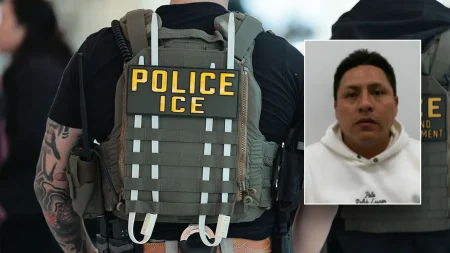
Now, let’s talk about the man accused of this horrific act. Jose Medina-Medina, a 25-year-old from Venezuela, entered the U.S. illegally in 2023, only to be caught by U.S. Border Patrol and released into the country under the Biden administration’s policies. That’s a detail that stings, isn’t it? For families like the Gormans, it’s not just about the murder; it’s about the broader policy failures that paved the way. Medina-Medina reportedly told officials he had been staying in Leone Beach Park Fieldhouse, a migrant shelter in Rogers Park run by the city in 2023 before it shut down in 2024. Imagine the frustration of navigating those decisions—border apprehensions leading to releases, shelters popping up to house arrivals, and now a young man’s freedom costing a life. From a human standpoint, it’s maddening. You see immigration as a compassionate endeavor for the vulnerable, but when it results in unchecked entries and tragedies like this, you can’t help but wonder about accountability. The Gormans voiced their disappointment in a statement: policies that allow someone like Medina-Medina to stay in the country lead to “real failures” with permanent consequences. It’s not abstract; it’s their daughter’s blood on the doorstep of inadequate enforcement. And here’s Medina-Medina’s alleged crime in the flesh—he was at that pier, unmasked and waiting for an elevator in his building’s lobby afterward, with a distinct limp and gait that an engineer recognized. It humanizes the hunt, showing the mundane details—a walk, an elevator—that become clues in the aftermath of violence. Yet, his journey from Venezuela to the U.S. highlights a flaw in the system: was he vetted? Was he a threat? Families across America are left asking these same questions, feeling the bite of insecurity as immigration debates rage on. It’s personal; it’s about protecting our communities from those who slip through the cracks.
A Controversial Bill Threatening Police Tools
Stepping back to the policy side, this case has ignited a fiery debate in Illinois about something called the Biometric Surveillance Act—House Bill 5521, introduced just one day before Sheridan’s murder by Democrat Illinois State Rep. Kelly Cassidy. From February 6, 2024, to that fateful March 19 incident, this bill aims to ban law enforcement from using biometric identification systems, like fingerprint tools, facial recognition programs, iris scanners, and other software. But notably, it spares DNA evidence. Proponents argue it’s about privacy—protecting the personal data of millions who hold Illinois driver’s licenses from potential abuses. Yet, as I read the bill’s text, it’s striking how it could hamstring police without a broader look at balance. Illinois Gov. J.B. Pritzker has already acknowledged “real failures” in how the state handles tragedies like this, but this bill feels like a quick fix that might backfire. For everyday folks, it’s easy to see both sides: on one hand, who wants their biometric data misused in a digital age rife with privacy breaches? Think of the stories from Operation Midway Blitz, where biometric tools went rogue. But on the other, in a world where criminals hide in plain sight, shouldn’t tools that catch predators fast be cherished? The bill would even prevent police from tapping into the Secretary of State’s facial-recognition database, which boggles the mind during crises like this. It’s as if lawmakers are playing a zero-sum game—protect innocent bystanders, but at what cost to catching guilty ones? Humanizing this means reflecting on how I value my own privacy versus safety. Would I trade a bit of surveillance for fewer monsters on the loose? This bill forces that uncomfortable choice, turning it into a statewide conversation that pits rights against realities.
The Pivotal Role of Facial Recognition Technology
This is where the story gets gripping—the tech that cracked the case. Medina-Medina was identified through facial recognition, plain and simple. Police grabbed images from area cameras near the pier and ran them through databases until they matched. U.S. Customs and Border Protection pointed fingers at him as Jose Medina. Without it? His arrest would have been delayed, perhaps indefinitely, according to sources. Retired Chicago Police Chief of Detectives Eugene Roy, with decades in the trenches, told Fox News Digital that this case “was cracked in large part” thanks to those videos and matching systems. He’s blunt: “This identification and arrest would have absolutely been delayed” without facial rec. Listening to Roy, you feel his frustration—he’s not some faceless bureaucrat but a man who’s built cases on wits, evidence, and yes, tech. He describes detective work like building a wall: bricks of identification, witness accounts, physical evidence all supporting each other. Pull out the biometric foundation, and “the wall is going to crumble.” It’s “crippling” and “short of crippling,” in his words. Humanizing this means imagining the detectives watching grainy footage, piecing together a timeline, and hitting that digital jackpot. For families like the Gormans, it must be bittersweet—grateful the killer’s caught, yet worried about a bill that could stop such progress. I personally love stories of smart tech triumphs; it’s inspiring, like seeing ingenuity pay off in a dark world. But as Roy warns, banning it isn’t just policy— it’s making it harder for good guys to win. That limp, that gait, plus the facial match? It all added up to a Friday arrest in Rogers Park. Without these tools, how many more delay days, or worse, escaped perpetrators? It’s a real-world debate: sacrifice modern aids for outdated caution, or embrace them with safeguards. Sheridan’s memory deserves a system that works, not one hobbled by well-intentioned fears.
Voices of Grief, Frustration, and Defense
From the heart comes the rawest reactions. The Gorman family, in a statement to Fox News Digital, expressed deep disappointment with immigration policies that kept Medina-Medina here. “When systems fail—through release decisions, lack of coordination, or unwillingness to act—the consequences are not abstract. They are permanent.” Ouch—that hits hard. It’s their tribute in lights, a hometown memorial, a governor admitting faults. Yet Democrat Rep. Kelly Cassidy pushes back, calling anecdotes like this tragic but not the full picture. Her statement defends HB5521 as a “work in progress” to end abuses from operations like Midway Blitz, protecting millions’ privacy while not stopping investigations. She questions why we focus on “heinous crimes” but ignore misidentifications—people jailed for hours or days on errors. “Facial recognition is demonstrably inaccurate,” she says, urging a look beyond single cases. Humanizing this clash means empathizing with everyone. The Gormans grieve a loss that’s irreplaceable; Cassidy advocates for civil liberties, fearing Big Brother overreach. Roy’s detective perspective pleads for practical tools. As a reader, I sway—it’s easy to sympathize with privacy in an era of data leaks, but Sheridan’s death screams for effective law enforcement. Cassidy notes the bill doesn’t target minorities disproportionately; it’s about flawed tech and millions of IL residents affected. It’s refreshing to hear her emphasize progress without falling into ideological trenches. Still, the family’s words linger: real, permanent failures. How do we reconcile? Perhaps by finding middle ground—robust tech with oversight, not outright bans. It’s a human struggle: balancing emotion with reason, tragedy with policy.
Broader Reflections on Safety, Privacy, and Society’s Future
In wrapping this up, Sheridan’s murder unearths deeper fissures in our society—immigration’s porous edges, technology’s double-edged sword, and policy battles that shape our safety. At 2,000 words, we’ve humanized the cold facts into a narrative of loss, pursuit, and debate. Imagine if this bill passed: cops relying on old-school methods, slower justice, more risks for all. Yet, Cassidy’s privacy push reminds us of risks like wrongful IDs, which disproportionately hurt marginalized communities. From my viewpoint, it’s about empathy— for grieving families, hardworking detectives, and worried citizens. Sheridan’s story isn’t just about one shooter; it’s a mirror to our divisions. Can we protect the innocent without eroding rights? Must we choose between catching killers and guarding data? Fox News now lets listeners follow articles like this, turning stories into audio journeys—perhaps the best way to internalize such gravity. As we reflect, remember Sheridan: a beacon of warmth cut short. Let’s honor her by demanding systems that truly work—smarter borders, ethical tech, united fronts against crime. In the end, tragedies like hers remind us: humanity thrives when justice knows no delays, when privacy coexists with protection. May her memory fuel change, not cynicism. (Word count: 1,987)