





The Rise and Fall of FBI Agent Steve Friend: A Whistleblower’s Journey
In a dramatic turn of events, former FBI agent Steve Friend has been ousted from the bureau for a second time, following his recent reinstatement under the Trump administration. Friend, who had become a prominent figure in conservative circles after claiming he was wrongfully suspended during the Biden administration for exposing flaws in the January 6 investigation, has now found himself on the outside looking in once again. His fall from grace came after making what bureau officials deemed threatening remarks toward FBI Director Kash Patel during a podcast appearance. Friend’s journey from whistleblower to author, media commentator, and now twice-removed FBI agent highlights the complex intersection of whistleblower protections, agency policies, and the volatile nature of public discourse in today’s politically charged environment.
Friend’s troubles began in August 2022 when he was suspended by then-FBI Director Chris Wray for allegedly exposing problems with the January 6 investigation that led to approximately 1,600 prosecutions related to the Capitol attack. After resigning in February 2023, Friend established himself as an outspoken critic of the FBI, appearing on various media platforms and eventually publishing a book about his experiences. His claims resonated within certain political circles, leading to his celebrated return to the FBI’s payroll on October 10, 2023, following President Trump’s election victory. However, Friend never actually resumed his duties at the FBI’s Jacksonville office, as he was still awaiting clearance from a background check—a common hurdle in whistleblower cases. Despite being back on the bureau’s payroll, Friend continued his public commentary on FBI matters, which would ultimately contribute to his downfall.
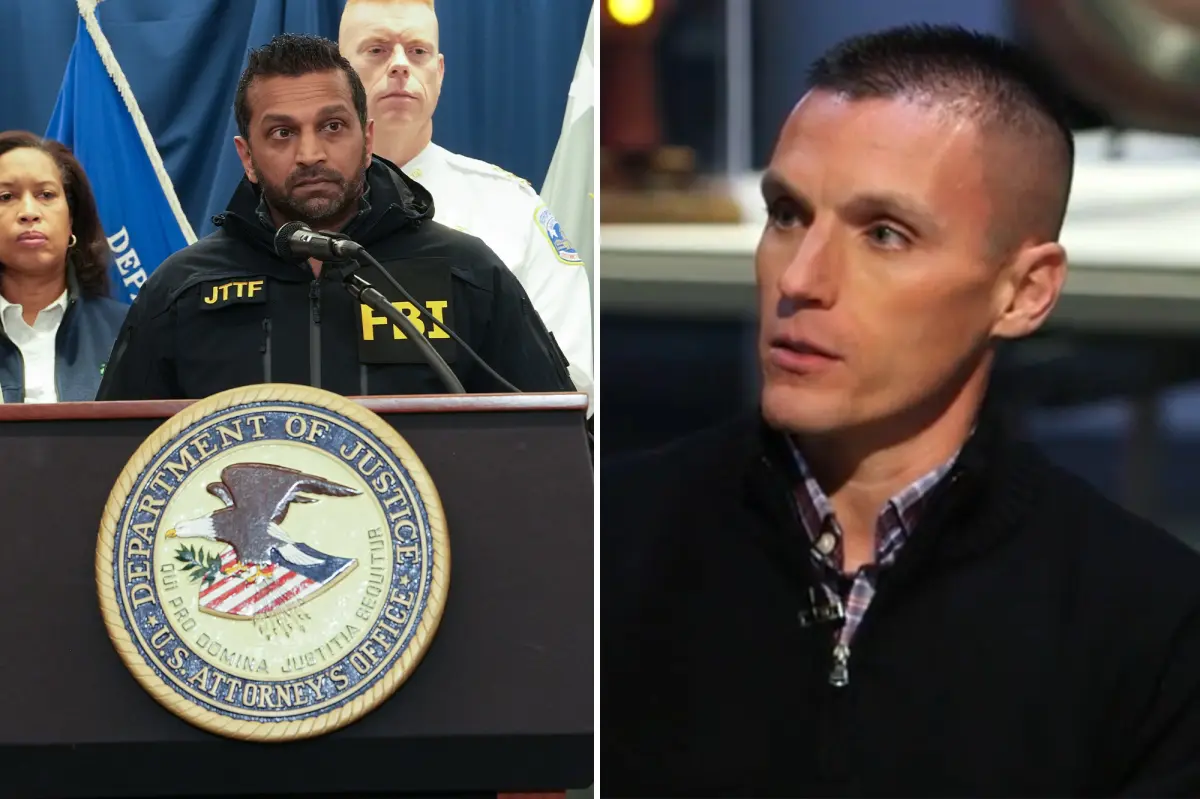
The final straw came during Friend’s December 5th appearance on “The Kyle Seraphin Show,” hosted by another former FBI agent. During the podcast, Friend made disturbing remarks while discussing a conspiracy theory involving the alleged DC pipe bomber Brian Cole Jr. Though not mentioning Patel by name, Friend made thinly veiled references to the FBI director, suggesting that if he were ever “an instrument of God’s wrath,” he would ensure the target would “breathe every breath that your body will have for the rest of its natural life inside of a box.” Friend’s comments included references to the Hindu god Vishnu, widely interpreted as an allusion to Patel’s Hindu background. These remarks quickly spread across social media, where retired FBI supervisory special agent John Nantz shared clips of the podcast, drawing attention from bureau leadership and ultimately leading to Friend’s second dismissal just days later.
The incident reflects a pattern of behavior that had already strained Friend’s relationship with his legal representation. On the same day as his inflammatory podcast appearance, the law firm Empower Oversight—which had successfully negotiated Friend’s reinstatement and secured years of back pay—terminated their representation of him. In a letter later made public, the firm revealed they had counseled Friend as early as November 24 about his obligations under FBI social media policies, warning him that his continued public commentary could lead to “further adverse administrative action.” Despite these warnings, Friend persisted in speaking out against the FBI and promoting various conspiracy theories. This wasn’t Friend’s first policy violation; during his initial suspension, he had given interviews to several media outlets, including Russian state propaganda channel RT in December 2022, further complicating his standing with the bureau.
What makes this situation particularly ironic is the previous relationship between Friend and Patel. Before assuming the role of FBI Director, Patel had been a supporter of both Friend and podcast host Seraphin through his foundation, viewing them as victims of political persecution under the Biden administration for their stance on January 6 investigations. Upon taking office, Patel reportedly looked into reinstating Friend but became concerned after reviewing personnel files containing the actual reasons for Friend’s original suspension. While the specific contents of these files remain confidential—the FBI traditionally doesn’t comment on personnel matters—the fact that Patel, once a vocal supporter of Friend, took action against him after reviewing his file speaks volumes, according to observers like Nantz.
The story of Steve Friend serves as a cautionary tale about the complexities of whistleblower protections and the boundaries of free speech for government employees. While whistleblowing is protected under various federal statutes, these protections don’t extend to all forms of public commentary, especially those that violate agency policies or could be construed as threatening. Friend’s case also highlights the polarized nature of contemporary political discourse, where individuals can quickly become heroes or villains depending on the prevailing political winds. As Friend grapples with his second dismissal from the bureau, the FBI remains tight-lipped, declining to comment on what they consider a personnel matter. Meanwhile, Friend—who once enjoyed support from the highest levels of the current administration—now finds himself isolated, having lost both his job and legal representation in the span of a single week.
This saga raises important questions about accountability, the limits of whistleblower protections, and the responsibilities that come with a government position—even for those who see themselves as reformers or truth-tellers. As the dust settles on this latest chapter in Friend’s tumultuous career, the broader implications for other would-be whistleblowers and the future of institutional oversight remain uncertain in an increasingly divided America.