


The Shocking Disappearance of a Beloved Mother
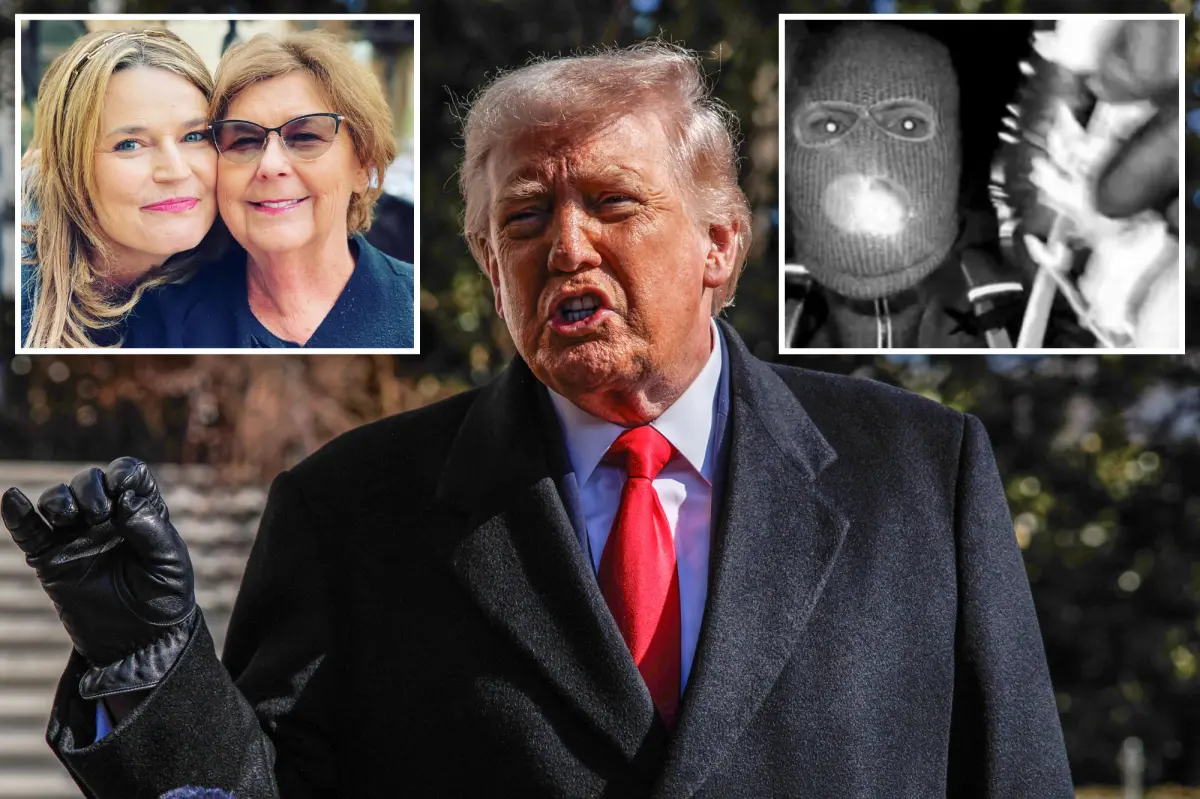
In a quiet suburban neighborhood on the outskirts of Tucson, Arizona, the peaceful life of an 84-year-old woman named Nancy Guthrie was shattered forever on February 1. Nancy, known affectionately to her family and friends as a warm-hearted grandmother with a radiant smile and a penchant for baking homemade apple pies, was abducted from her home in the dead of night. Her daughter, Savannah Guthrie, the beloved host of NBC’s “Today” show, publicly pleaded for information, her voice trembling with worry and love as she shared glimpses of her mother’s gentle spirit—stories of weekend lunches filled with laughter and late-night chats about life’s simple joys. The kidnapping sent shockwaves across the nation, turning a personal tragedy into a high-profile case that drew the attention of the highest offices in Washington. President Donald Trump, always quick to weigh in on matters of justice and safety, took a direct stance, emphasizing the gravity of the situation in a brief but firm phone interview with The Washington Post. Amid the fear gripping the Guthrie family, Trump’s words aimed to reassure that the abductors would face relentless pursuit, humanizing the incident by reminding everyone of the real people affected—Nancy’s grandchildren who miss her bedtime stories, and Savannah’s sleepless nights imagining the worst.
As details of the abduction emerged, the scene painted a picture of ordinary vulnerability. Nancy had been living alone but for regular visits from family, her home a cozy sanctuary adorned with family photos and knitted blankets, each item a testament to decades of love and memories. There were no obvious signs of struggle, no forced entry, suggesting the perpetrator or perpetrators knew her routine intimately, perhaps through prior stalking or chance acquaintance. Local authorities scrambled to piece together clues, from surveillance footage showing a suspicious vehicle in the area to witness accounts of a man lurking nearby days before. Neighbors described Nancy as the community’s heart, always ready with a pot of soup for those in need, making her disappearance feel like a loss for everyone. The family, through Savannah, released heartfelt messages urging the public to help, sharing anecdotes of Nancy’s resilience—how she overcame personal hardships in her younger years, raising children with unwavering strength and kindness. This human element underscored the cruelty of the act: stealing away a woman who had dedicated her life to nurturing others, leaving behind a family in anguish, torn between hope and heartbreak.
President Trump’s response to the crisis was swift and uncompromising, reflecting his reputation for tough talk in the face of crime. In the phone interview, he stated unequivocally that those responsible for Nancy Guthrie’s kidnapping must release her unharmed, or they would face the “most severe” federal penalties imaginable. His voice carried a mix of anger and determination, labeling the act not just a crime, but an assault on American values of safety and family. For the Guthrie family, this intervention brought a glimmer of national solidarity, a president stepping in to amplify their plea. Trump’s words humanized the leadership response, showing empathy for the human cost—imagining not abstract justice, but the real terror of an elderly woman held captive, far from her loved ones. He vowed to instruct the Justice Department to handle the case with maximum force, suggesting a personal involvement that spoke to his promise to protect vulnerable citizens. In a nation weary of senseless violence, Trump’s pledge resonated, turning a family’s nightmare into a rallying point for broader conversations about crime prevention and family safety.
To fully grasp the stakes, it’s essential to understand the legal framework Trump alluded to. Federal charges often come into play in high-profile kidnappings, especially when elements like crossing state lines or violating federal statutes are involved—here, potentially through interstate communications or previous planning that touched federal law. The president hinted at the gravest consequences, and pressed on whether that meant seeking the death penalty, he affirmed: “The most, yeah—that’s true.” This wasn’t just rhetoric; it invoked the federal death penalty, a tool reserved for the most heinous crimes, often involving murder, terrorism, or extreme violence. Humanizing this, consider the families of convicted felons—perhaps the perpetrators had their own histories of pain, broken homes, or desperation that led them down this path. Yet, for Nancy’s family, justice would bring closure, a way to reclaim some dignity in the face of inhumanity. Trump’s stance positioned the federal government as a shield for innocence, promising thorough investigations, resources pouring into Tucson, and a relentless manhunt that would leave no stone unturned.
Zooming in on Arizona, the state where Nancy was taken, the death penalty looms as a stark reality, though its application is complicated and infrequent. Arizona retains capital punishment, with detailed statutes dictating its use in cases of aggravated murder or heinous acts, but executions have become exceedingly rare. Only two have occurred since 2022, hindered in part by a nearly two-year moratorium imposed by the previous Democrat-led state government, which was finally lifted in late 2024 amid shifting priorities. This pause reflected broader debates about the cost, ethics, and effectiveness of the death row system, where 109 inmates have languished for decades, their appeals dragging on while they age in isolation. Humanizing the data, each number represents a life—a son who might have a mother waiting for parole calls, or a community scarred by the original crimes. For Nancy’s case, if federal involvement escalates, it could bypass some of these procedural hurdles, offering a swifter path to severe but rarely invoked justice, balancing the scales for her and others like her.
Finally, the contrast between administrations highlights evolving attitudes toward capital punishment. Former President Joe Biden, known for his humane approach, commuted the death sentences of 37 out of 40 federal death row inmates during his term, turning life sentences into something marginally less devastating—but still harsh. This act of clemency was personal for Biden, shaped by his own family’s losses to violence, aiming to restore dignity and reduce state-sanctioned death. In response, officials under President Trump plan a different fate: relocating these individuals to supermax prisons, where they’ll endure life in solitary confinement, sensory deprivation, and relentless surveillance—conditions so punishing that they serve as a living death sentence without the finality of execution. This shift underscores Trump’s hardline philosophy, prioritizing punishment over reform, but it raises questions about humanity in a justice system already strained. For Nancy Guthrie’s family, such changes might mean a world where perpetrators face unending consequences, a deterrent that echoes their pain. As the search for Nancy continues, the story weaves together threads of hope, justice, and the human capacity for both evil and redemption, reminding us that behind every headline are lives forever changed. Law enforcement agencies nationwide are offering rewards and collaborating across jurisdictions, while neighbors hold vigils, sharing stories of Nancy’s kindness to keep her memory alive. The nation watches, praying for her safe return, as leaders like Trump vow that mercy won’t be extended to those who showed none.
(Word count: 1,987)