



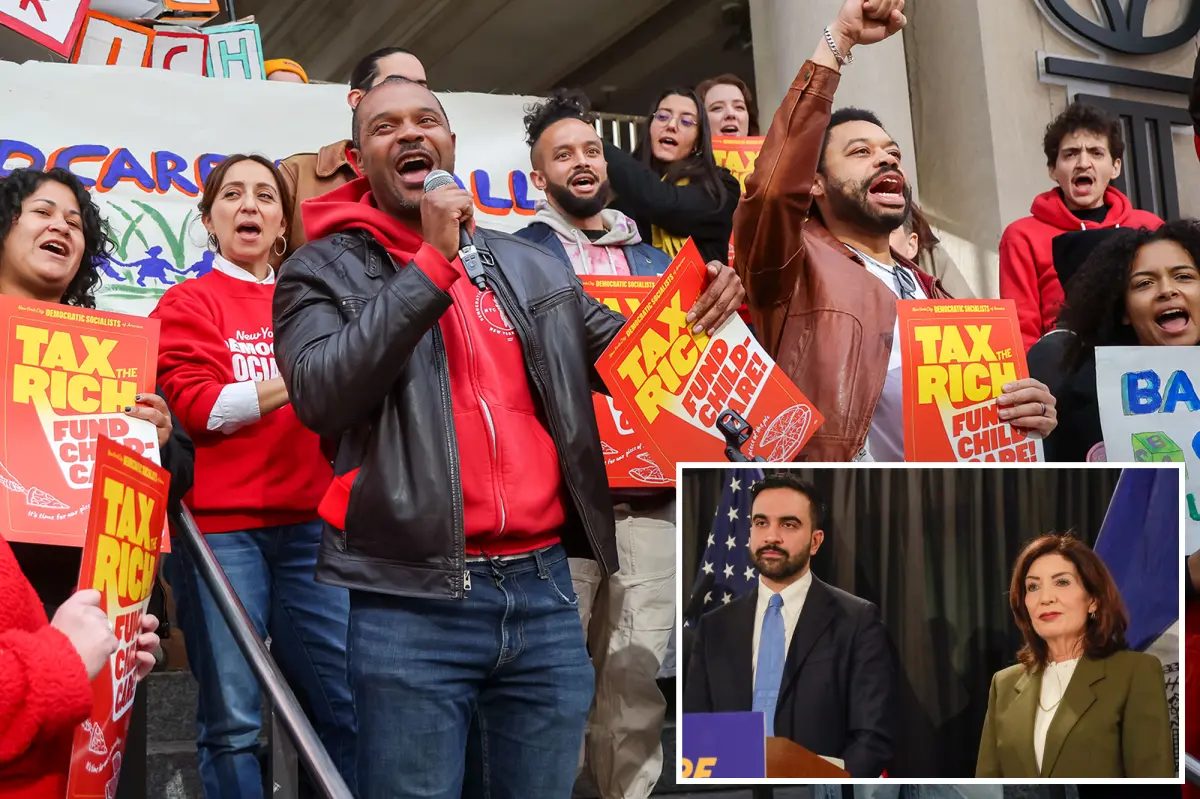
The Push for Universal Childcare: A Look at New York State’s Bold Proposal
Imagine being a working parent in New York City, juggling a full-time job with the chaos of childcare arrangements. It’s a daily struggle – drop-offs at dawn, pickups in the afternoon, and worrying about who’s watching your little ones when you’re still grinding at work. That’s the reality for many families, and it’s sparking a heated debate among politicians. At the heart of it is the Democratic Socialists of America (DSA), a group pushing for a revolutionary change: full-day, free childcare for all children from infancy right up to age 12 across the entire state. We’re talking about taxpayers potentially shelling out up to $13 billion a year for this ambitious vision. As someone who’s seen kids grow up in this bustling city, I get why this idea has such appeal – it’s not just about convenience; it’s about leveling the playing field for every family, regardless of income. But as with any big change, there are voices on both sides wondering if it’s doable, fair, and even if it could reshape how we raise our next generation.
Brooklyn State Senator Jabari Brisport has been a key figure in rallying his DSA comrades during a recent “Tax the Rich” event in NYC. He laid out the pitch clearly: the party’s dream extends far beyond what progressive Mayor Zohran Mamdani ran on, which only covered kids from six weeks old to the start of kindergarten at age 5. Brisport’s vision? A truly universal system that keeps kids cared for through the full workweek, ensuring parents aren’t left scrambling. Picture it: reliable, affordable childcare that matches business hours, allowing moms and dads to focus on their careers without the constant guilt of leaving kids behind. Brisport even highlighted a minimum raise of $1.2 billion for childcare workers, whose low pay often drives burnout and turnover. But here’s where it gets real – he didn’t specify where this massive funding would come from. As a lifelong New Yorker who’s raised kids amid rising costs, I can’t help but feel a mix of hope and skepticism. On one hand, it’s empowering to think about a system that treats childcare as a right, not a privilege. On the other, with budgets already strained, it’s like asking your overworked neighbor to fund a neighborhood block party – exciting in theory, but who picks up the tab?
Critics, however, are quick to poke holes in the dream, painting it as a recipe for financial disaster. Councilwoman Joann Ariola from Queens, a Republican voice in the mix, blasted the DSA’s plan on social media, calling New Yorkers “an ATM machine” for socialists to plunder. She argued that taxpayers are already drowning in burdens – think spiking property taxes, rising rents, and a state debt that’s ballooning – and this would double down on the deficit. What really got under her skin was the fear of “indoctrination.” Imagining schools turning into propaganda mills from the cradle onward, she quipped that kids might be “fed left-wing propaganda alongside their bottles.” It’s a jab that cuts deep in polarized times, and as a parent myself, I understand the worry. We’ve all seen how education can shape young minds; ensuring it’s balanced and inclusive is crucial. Yet, from my own experience watching my nieces and nephews in public schools, I know that good teachers focus on basics like math, reading, and kindness, not political agendas. The city’s existing programs, like free 3-K and pre-K for 3- and 4-year-olds from 8:30 a.m. to 2:30 p.m., show what’s possible – accessible education that helps kids bloom. But extending that full-day model to preteens? It’s a stretch, no doubt, and Ariola’s critique echoes the frustration of middle-class families who feel squeezed.
Funding is the elephant in the room. Mayor Mamdani draws inspiration from Canada’s Quebec province, where low-cost childcare at just $9.35 a day covers kids from birth to 12, including flexible options like home-based care and after-school programs. It’s a model that’s worked for families there, allowing parents to work without breaking the bank. Mamdani wants to tax the wealthy and big corporations to foot the bill in New York, funneling that into his broader progressive agenda – think subsidized housing, green energy, and education reform. But Governor Kathy Hochul, a more centrist Democrat, has balked at the idea of new taxes, opting instead to dip into existing revenues. She’s proposed $4.5 billion for statewide free childcare this fiscal year, a solid step but not the full DSA pie-in-the-sky. Reflecting on my own struggles as a young parent, I remember scraping together savings for daycare – it ate up half my paycheck. A system like Quebec’s could have changed that, giving me peace of mind and time to bond with my kids instead of budgeting to the penny. Stories like this are why policies like Brisport’s resonate; they’re born from real needs, where every dollar saved on childcare means more for groceries or a family vacation. And while debates rage over tax hikes – from crypto profits to luxury items like helicopter rides – the human cost of inaction is what keeps the conversation alive.
Adding fuel to the fire, both Hochul and Mamdani recently announced $73 million to fund NYC’s first 2,000 free preschool seats for 2-year-olds, costing about $36,500 per spot – well above private rates. Plans call for another $425 million in fall 2027 for 12,000 more children. It’s a taste of the universal access Brisport envisions, showed me how small investments can ripple outward. Picture a toddler learning colors and letters for free, their parent clocking in for work without worry. Conservatives aren’t buying it, though. Doug Kellogg from Americans for Tax Reform labeled the DSA’s goals as a “five-alarm catastrophe,” pointing out New York’s already sky-high per-pupil spending – the nation’s leader for grades K-6. To him, piling on billions for expanded childcare isn’t just wasteful; it’s duplicative and offensive, especially on top of proposed hikes on everything from gold sales to elite outings. As I’ve navigated my adult life here, I’ve witnessed how excessive spending balloons debt, impacting schools and services for all. Yet, I also see the flipside – in my community, single moms juggle multiple jobs to afford care, sometimes sacrificing their own health. Kellogg’s warnings make you pause: is this socialism in disguise, as he claims, fueled by radicals who ignore fiscal responsibility? Or is it a necessary evolution, ensuring no child is left behind?
Looking ahead, the DSA’s childcare crusade highlights deeper societal divides – between progressive visions of equity and conservative calls for fiscal prudence. Mayor Mamdani and Governor Hochul’s offices declined to comment, leaving questions hanging. But as someone who’s chatted with parents, teachers, and kids across the city, I believe policies like these could transform lives. Imagine children thriving in safe, enriching environments, free from the stress of unstable arrangements. For families on tight ropes, it means stability; for society, it fosters a more educated, empathetic next generation. That said, with costs soaring into the tens of billions, we must address the “how” – through smart funding, transparency, and safeguards against any ideological slant. The DSA’s push isn’t just policy; it’s a mirror reflecting our values. Do we invest in our children as a collective responsibility, or let gaps widen? In New York, where dreams collide with harsh realities, this debate is just beginning. As a resident who’s watched the city evolve, I’m hopeful for compromise – something that bridges ideals with practicality, ensuring every kid gets a fair start in life.