


The Delicate Dance of Diplomacy: U.S. Considers Maduro’s Future Amid Military Pressure
In a striking development in U.S.-Venezuela relations, senior American officials are exploring a potential diplomatic resolution that would allow Venezuelan President Nicolas Maduro to relocate to Qatar, one of the world’s wealthiest nations. This discussion comes against the backdrop of escalating U.S. military actions targeting suspected drug smuggling operations in Caribbean waters. The complex diplomatic maneuvering reveals the multi-faceted approach the Trump administration is taking toward Venezuela’s political crisis—balancing military pressure with back-channel negotiations. Secretary of State Marco Rubio has reportedly floated the idea of Maduro settling in Qatar, with the gas-rich emirate potentially serving as a mediator in resolving the long-standing conflict. Several administration sources have described this scenario as plausible, with one noting that countries like Qatar, Saudi Arabia, and the UAE often facilitate such arrangements to build goodwill with the United States. “All three compete against each other—in the region and for the ultimate affection of the U.S.,” explained one source close to the administration. This approach reflects the intricate web of international relationships at play, where wealthy Gulf states can leverage their resources to gain diplomatic advantages with Washington.
The situation has gained urgency following direct communication between President Trump and Maduro. In their conversation, Trump reportedly demanded Maduro step down immediately, while the Venezuelan leader countered with a proposal for a transfer of power to his vice president, coupled with broad amnesty for himself and his allies. This dialogue occurs within a context of intensifying pressure from Washington, which recently designated Maduro and his government associates as members of a foreign terrorist organization—specifically the “Cartel of the Suns” (Cartel de los Soles). This designation significantly expands U.S. military options for potential operations inside Venezuela, framing the conflict increasingly in terms of national security rather than purely political concerns. However, a source familiar with Qatar’s involvement in Venezuela negotiations disputed claims that Maduro is actively exploring relocation options in Doha, stating plainly: “It is untrue that Maduro is fleeing to Qatar.” This contradiction highlights the often murky nature of high-stakes international negotiations, where public positioning and private discussions may diverge significantly.
The Trump administration has already begun flexing its military muscle in the region, justifying Caribbean naval operations through the terrorist designation of Maduro’s government. Recent U.S. military actions have included strikes on suspected narco-terrorist boats, including a controversial double strike on September 2 that reportedly targeted survivors of an initial attack. White House Press Secretary Karoline Leavitt has defended these operations, which have allegedly resulted in approximately 80 casualties, citing both legal justifications related to the terrorist designation and “self-defense to protect Americans and vital United States interests.” These military actions represent a significant escalation in U.S. policy toward Venezuela, moving beyond economic sanctions and diplomatic isolation to direct military intervention, albeit currently limited to maritime operations. The situation appears poised for further development, with President Trump meeting key officials including Secretary of Defense Pete Hegseth to discuss next steps in the campaign against Maduro, with decisions expected in the coming days.
The administration is now contemplating an even more provocative step: extending military operations into Venezuela’s territorial waters, defined as the area within 12 nautical miles of the coastline. Such a move would considerably raise the stakes, potentially drawing the U.S. closer to conventional warfare and increasing pressure on Trump to seek formal congressional approval for military action. Already, lawmakers from both parties have expressed concern about the existing boat attacks conducted without congressional authorization. This tension between executive military action and legislative oversight reflects enduring constitutional questions about war powers that have characterized many U.S. foreign interventions. President Trump had previously indicated his intention to inform Congress about plans for land-based attacks within Venezuela but has apparently paused this approach while pursuing the diplomatic track involving Maduro’s potential resignation and exile. This demonstrates the administration’s apparent preference for achieving its objectives without a full-scale military confrontation if possible.
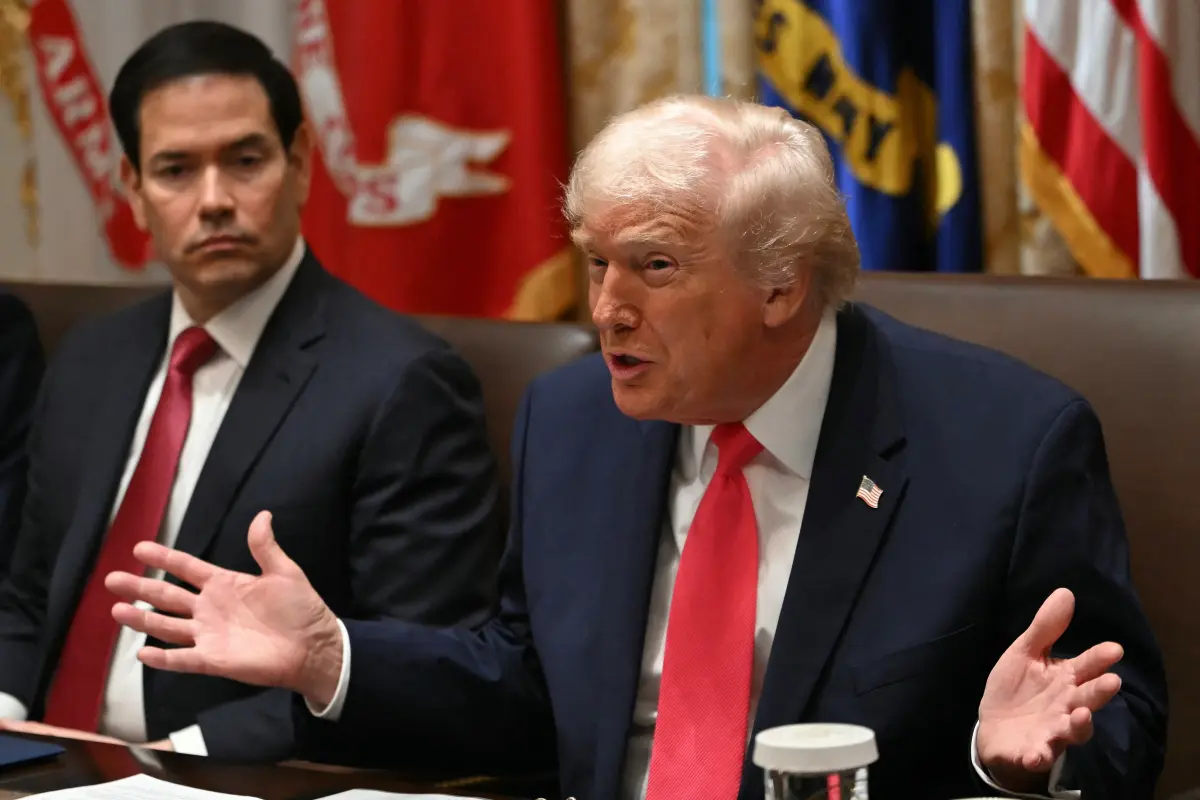
The evolving situation has implications beyond Venezuela’s borders, with President Trump expanding the scope of potential targets during a recent Cabinet meeting. “Anybody that’s doing that and selling it into our country is subject to attack,” Trump stated, clarifying that the threat applies to drug traffickers in Colombia as well, not “just Venezuela.” This broader framing positions the U.S. actions as part of a regional counter-narcotics strategy rather than solely a campaign against the Maduro regime, potentially giving the administration greater flexibility in justifying military operations. The expanding focus also raises questions about the potential for mission creep and regional destabilization if military actions escalate or spread to neighboring countries. For Qatar, involvement in mediating a resolution to Venezuela’s crisis represents a continuation of its pattern of international diplomatic engagement. The Gulf state previously assisted in brokering a Trump-proposed peace plan between Israel and Hamas, though this involvement became complicated when Israel conducted airstrikes in Doha in September, targeting Hamas leaders reportedly housed there.
The unfolding Venezuela situation illustrates the complex interplay between diplomatic negotiation and military pressure in contemporary U.S. foreign policy. While the administration appears to be pursuing multiple tracks simultaneously—direct communication with Maduro, exploration of exile arrangements, and escalating military operations—the ultimate resolution remains uncertain. The potential involvement of Qatar as both a mediator and possible destination for Maduro highlights the role wealthy states can play in international conflict resolution, offering face-saving exits for embattled leaders. Meanwhile, the expansion of U.S. military operations in the Caribbean raises significant questions about congressional authority, international law, and the potential for unforeseen consequences. As intelligence gathering continues and policy recommendations are formulated, the coming days may prove decisive in determining whether this crisis moves toward diplomatic resolution or military confrontation. The delicate balance between these approaches, and how effectively they are coordinated, will likely determine whether a peaceful transition of power in Venezuela can be achieved without further bloodshed or regional destabilization.