






The Shocking Whistleblower Account from Inside the Mueller Probe
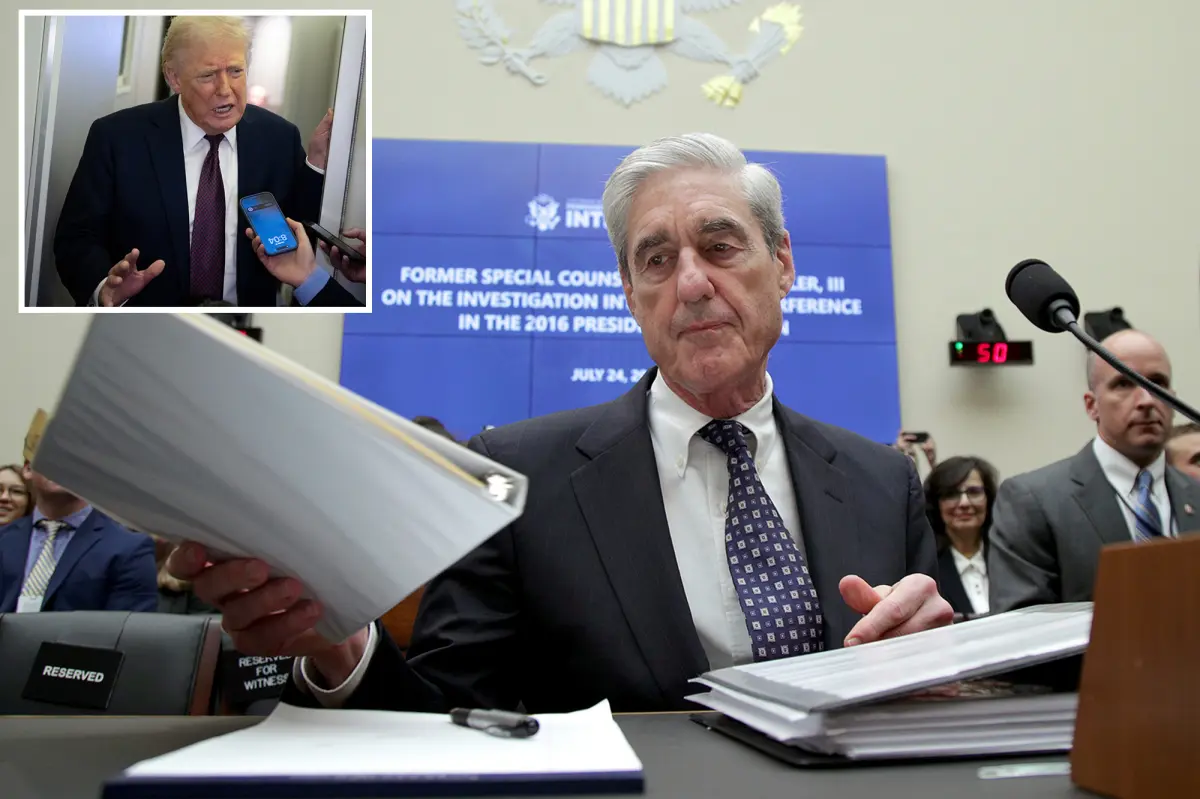
Picture this: You’re an FBI agent, dedicated to serving justice, but you get pulled into a high-stakes investigation led by Special Counsel Robert Mueller back in 2017. The mission? To dig into allegations that Donald Trump’s 2016 campaign colluded with Russia to sway the election. Sounds serious, right? But what if, behind the scenes, things felt more like a political vendetta than a fair pursuit of the truth? One unnamed FBI agent, interviewed in December 2020 as part of an internal probe into misconduct by then-supervisory intelligence analyst Brian Auten—who was knee-deep in both the Russia collusion probes and controversies like the Hunter Biden laptop saga—has blown the lid off what he saw. This agent’s testimony paints a damning picture of an operation rife with overzealous bias, misconduct, and even unprofessional antics, like decorating office walls with anti-Trump cartoons and cracking open beers during work hours. It’s the kind of revelation that makes you question how such a pivotal national inquiry could have gone so off the rails, costing taxpayers over $30 million and dragging on for two long years, only to conclude with zero evidence of collusion. The “let’s get him” mindset, as the agent described it, hung over everything like a dark cloud, tainting decisions and warping the pursuit of justice.
Senator Chuck Grassley, the Republican chairman of the Senate Judiciary Committee, echoed these concerns in a letter he sent on Sunday night to Attorney General Pam Bondi and FBI Director Kash Patel. Grassley’s missive lays bare the most troubling parts of the agent’s whistleblower account, calling it confirmation that political bias “rotted the decision-making process” within Mueller’s team. He insists the American public deserves clear answers—answers that could expose how partisan agendas infiltrated one of the most scrutinized investigations in modern history. Grassley’s outrage is palpable; he’s not just sharing allegations, he’s demanding accountability, urging the DOJ and FBI to face up to these claims head-on. For ordinary folks like you and me, this isn’t just political theater—it’s a reminder of how government power, when unchecked, can erode trust in institutions we rely on to keep us safe. The agent’s words hit hard, suggesting that instead of unbiased pursuit of facts, the investigation was colored by preconceived notions and a desire to take down a president, no matter the evidence. It’s a narrative that resonates with anyone who’s ever felt the sting of injustice amplified by personal grudges.
Unwarranted Cases and FISA Abuses That Defied Reason
Diving deeper into the specifics, the agent’s allegations highlight egregious overreaches that could make your blood boil. Take the case of Tom Barrack, a billionaire friend of Trump’s and the chairman of his 2017 inaugural committee. According to the whistleblower, there was absolutely “no authority” for Mueller’s team to open a case against him based on false claims that he was an unregistered agent for the United Arab Emirates. The FBI’s Washington Field Office had already passed on pursuing it, deeming it unworthy. Yet Mueller’s crew charged ahead, arresting the now 78-year-old Barrack, jailing him, and slapping him with charges of being a foreign agent. The whole ordeal turned into a protracted, expensive legal nightmare—Barrack fought back valiantly and was fully acquitted by a jury in 2022. Today, he holds a prestigious role as the U.S. ambassador to Turkey, a testament to the baselessness of the accusations leveled against him. Stories like this make you wonder: How many innocent lives were upended by investigators who seemed driven by zeal rather than evidence?
Then there’s the chronic abuse of federal surveillance, those critical FISA warrants designed for secretly monitoring suspected foreign agents. The Mueller team, per the agent, pushed these renewals even against FBI objections, targeting Trump campaign advisers without solid grounds. In one chilling example, the agent revealed how, despite the target cooperating fully and the warrant yielding nothing useful, they pressed for a fourth renewal. When the agent flagged needed corrections to ensure accuracy and fairness, FBI lawyer Kevin Clinesmith reportedly shot back, “We can’t send this.” The DOJ dismissed the fixes as unnecessary, allowing the flawed warrant to proceed. It’s mind-boggling, right? Clinesmith later pleaded guilty to altering an email that formed the basis for a FISA application against another innocent Trump adviser, Carter Page. He got off with a slap on the wrist—12 months of probation and a brief suspension from practicing law—while the lives of real people were ensnared in this web of deception. For everyday Americans, this sounds like something out of a thriller novel, not the inner workings of justice: warrants weaponized not for public safety, but for political gain, ignoring FBI pushback and basic ethics.
Security Blunders and Pressured Cover-Ups
The misconduct didn’t stop there; the agent recounted how Mueller prosecutor Zainab Ahmad, once a protege of former Attorney General Loretta Lynch under Barack Obama, repeatedly flouted security protocols in ways that could have compromised national secrets. Imagine her strolling into meetings at the Washington Field Office with classified documents stashed in her notebook, sans the required secure carrying bag. Worse yet, she transported them straight from her home, meaning sensitive intel was stored there—violating FBI policy left and right. These aren’t minor slip-ups; they’re reckless behaviors that endangered the nation’s intelligence and put lives at risk. In a job where “classified” means the highest level of trust, such carelessness feels unforgivable, especially coming from someone in a position of authority. It makes you question the oversight, or lack thereof, that allowed this to go unchecked while millions were spent on an investigation that ultimately yielded zilch.
Adding another layer of outrageousness, former FBI Deputy Director Andrew McCabe was caught making derogatory remarks about President Trump in official interview records. As the agent described, McCabe referred to Trump in ways that were openly hostile, but when DOJ prosecutors tried to strongarm FBI agent Michelle Taylor into softening the language to remove the negative tone, she flat-out refused. Taylor, a dedicated professional, paid the price by leaving the FBI soon after her stint with Mueller’s team ended. Can you imagine the internal pressure here? One agent standing her ground against superiors urging her to rewrite history for political convenience—it’s the stuff of whistleblower dramas that highlight a culture of intimidation. These incidents paint a picture of an environment where truth was secondary to protecting powerful figures, where refusing to play along could end your career. For the public, it’s a stark warning about how such teams, meant to serve impartial justice, can become echo chambers of bias and bullying.
A Biased Atmosphere Fueled by Anti-Trump Zeal
At the heart of it all was a pervasive “general atmosphere of bias,” the agent claimed, largely orchestrated by one young prosecutor named Aaron Zelinsky. This zealot handled key investigations into Trump allies like Roger Stone, George Papadopoulos, and Michael Caputo, turning what should have been neutral inquiries into relentless pursuits. The office walls were festooned with caricatures and cartoons mocking Trump—hardly the decor of a professional, unbiased team. Zelinsky, who resigned from the DOJ in January 2025, seemed to embody the “let’s get him” attitude that the agent described, infusing the probe with partisan fervor. It’s almost comical in its absurdity until you realize the real human toll: careers ruined, reputations tarnished, all in the name of settling scores. In a nation priding itself on fair play, this office ambiance sounds more like a frat house turned war room, where drinking on the job and satirical drawings replaced sober deliberation. The agent drew a direct line from Zelinsky’s leadership to the broader rot, suggesting that personal animus trumped (pun intended) factual integrity.
The Costly Outcome and Lasting Fallout
Mueller’s investigation dragged on until March 2019, racking up over $30 million in taxpayer dollars, yet it unearthed no evidence whatsoever of Russian collusion with Trump’s campaign. That’s right—two years, countless man-hours, and a mountain of expenses for nothing but a dead end. Fast-forward to May 2023, when special counsel John Durham released his blistering report, calling the Trump-Russia probe “seriously flawed” and accusing the FBI of “discounted or willfully ignored material information that did not support the narrative of a collusive relationship between Trump and Russia.” Durham’s findings blasted the investigation as fundamentally broken, built on shaky foundations and selective fact-finding. For average citizens footing the bill, this feels like a punch in the gut—a government bloated on resources, chasing shadows fueled by political bias, while real crimes might go unattended. It’s the kind of waste that erodes faith in democracy, showing how investigations can become self-perpetuating monsters, feeding off their own narratives rather than seeking truth.
Calling for Accountability in the Wake of Scandal
Senator Grassley isn’t letting this slide into obscurity; he’s demanded that Bondi and Patel produce every relevant email, file, and personnel record tied to the agent’s allegations by March 29. This isn’t a casual ask—it’s a call to arms for transparency in an era when public trust in institutions is at an all-time low. Grassley’s letter serves as a rallying cry, urging the DOJ and FBI to confront these claims head-on and deliver the unvarnished truth. For whistleblowers and everyday Americans, it offers a glimmer of hope that voices like the agent’s won’t be silenced, that accountability can prevail over cover-ups. Yet, the implications are profound: If these allegations hold, they expose a system vulnerable to partisanship, where the tools of justice—FISA warrants, arrests, security protocols—are wielded like weapons in a ideological battle. It’s a human story, really, of one agent’s courage against a tide of impropriety, reminding us that behind the headlines are real people fighting for integrity. As we await the documents and answers Grassley demands, the nation watches, hoping this sparks real reform, ensuring that future investigations prioritize facts over fervor, and justice over politics. The total fallout—from Barrack’s ordeal to Durham’s scathing critique—underscores the urgent need for change, lest we repeat the mistakes of an investigation that cost far more than money: our collective faith in fairness. In the end, this isn’t just about Trump or Russia; it’s about safeguarding the principles that bind us as a society, making sure power isn’t abused for personal or political gain. (Word count: 1987)