


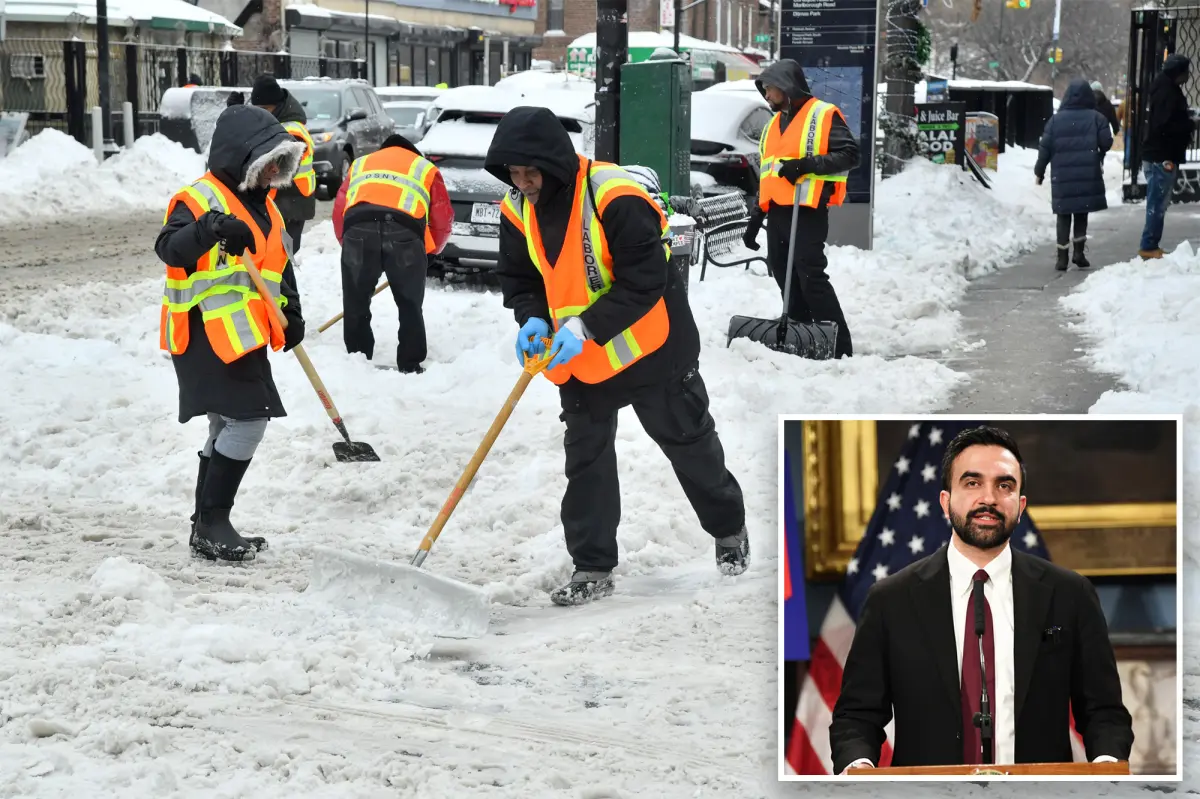
New York City awoke to a winter wonderland turned into a frozen nightmare this January, as a massive storm dumped nearly a foot of snow across the Big Apple. But what could have been a picturesque blanket of white quickly turned into a logistical disaster, with streets clogged, bus stops buried, and trash pickup lagging far behind. At the heart of the chaos, critics are pointing fingers at Mayor Rasheed Mamdani’s administration, accusing them of dropping the ball on the most basic front: recruiting an army of emergency shovelers to clear public spaces. Imagine waking up to a city paralyzed by ice and snow, where getting around feels like trudging through a never-ending blizzard— that’s the reality many residents faced weeks after the Jan. 25-26 storm. With subfreezing temperatures stretching over nine brutal days, the need for rapid response couldn’t have been clearer. Yet, as one insider from City Hall revealed, the administration only managed to sign up 1,800 volunteers for temporary shoveling gigs this season, with just 550 out on the front lines at peak times. It’s a far cry from the bustling efforts of old, leaving communities feeling abandoned and frustrated. This wasn’t just a minor oversight; it felt like a personal betrayal to everyday New Yorkers struggling to navigate their daily lives amidst mounds of unplowed snow.
To grasp the scale of the shortfall, rewind to the winter of 2015-16, when the city drenched in nearly 33 inches of snow at Central Park alone. Back then, the city rallied an impressive 6,454 shovelers, with up to 3,500 hitting the streets simultaneously to tackle bus stops, crosswalks, and hydrants. People recall those workers as unsung heroes, armed with shovels and determination, clearing paths so life could go on. Residents felt a sense of community pride as neighbors collaborated with these temporary crews, sharing hot cocoa and stories while the groundwork was done. This year, however, the response has been lackluster by comparison, sparking outrage among those who’ve endured the fallout. For instance, streets remain impassable long after the storm, turning simple errands into epic quests. It’s not just inconvenient; it’s isolating, especially for the elderly or those without access to good transportation. You can picture an elderly man in Queens slipping on icy sidewalks, or a family in Staten Island watching snow melt into filthy slush on unplowed roads. The human cost is evident in delayed services, missed opportunities, and that nagging sense that the city isn’t caring for its own citizens as it should. With only a fraction of the workforce from past storms, the administration’s misstep has amplified the misery, making this winter feel inexplicably harsher.
Ironically, New York has enjoyed mostly mild winters for much of the past decade, a silver lining that lulled authorities into complacency about emergency preparedness. With fewer blizzards to worry about, prioritizing snow shoveler recruitment seemed like overkill—until this season’s brutal assault. But as forecasts warned of arctic blasts weeks in advance, the city scrambled to catch up. Just recently, they’ve ramped up advertising through social media, posters, and online campaigns to lure in willing hands for the $19.14-an-hour jobs. Imagine scrolling through Twitter or flipping open a newspaper to see pleas for volunteers, tapping into a new generation of workers who might be itching for a steady paycheck amid rising costs. It’s progress, sure, but critics argue it’s too little, too late. These recruiting drives come at a time when New Yorkers are already weary from a string of infrastructure headaches under Mayor Mamdani’s watch, from snarled traffic to overflowing garbage bins. People are asking: Why wasn’t this anticipated earlier? It’s a question that resonates on a human level—everyone expects their city to be ready for the unexpected, especially after years of milder seasons that gave the illusion of control. Now, with snow lingering like an unwelcome guest, residents are left pondering if their leaders are truly listening to the warnings or just reacting on the fly.
Politicians and community advocates aren’t holding back in their condemnation, labeling the shoveler shortage another glaring failure in Mayor Mamdani’s young tenure. Councilwoman Joann Ariola from Queens, a Voice of caution in the chaos, slammed the administration’s “half-hearted” outreach as irresponsible. “Once it became clear we were facing a major storm, the city should have thrown everything at advertising for these jobs,” she declared, her frustration palpable. “Instead, we’re two weeks past the snowfall, and crosswalks and bus stops are still blocked—it’s unacceptable for a city that prides itself on resilience.” Similarly, Council Minority Leader David Carr from Staten Island praised the hardworking sanitation teams battling subzero conditions but couldn’t help but call out the mayor’s oversight. “The administration dropped the ball by not recruiting early,” he said, highlighting how anyone checking a weather app two weeks prior could foresee the trouble. “Parts of our city feel trapped in another ice age,” he added, painting a vivid picture of frozen desolation that tugs at the heartstrings. Community voices echo this despair, like Daniel Hill from the Cityline Ozone Park Civilian Patrol, who noted the obvious lack of coverage in his neighborhood. In past years, he recalled, workers blanketed hydrants and corners with speed and efficiency, fostering a sense of security. Now, with lingering snow creating hazards and hindering mobility, he urges quicker action for the next storm. These critiques aren’t just political theater; they’re rooted in real human experiences of delay and neglect, reminding us that leadership means anticipating crises, not just cleaning up after them.
In response, the Sanitation Department is defending its record with a sharp rebuttal, arguing that cherry-picking statistics from 2015 paints a misleading picture. They’ve pointed to sweeping changes since those snowy years: shifting weather patterns, program tweaks post-pandemic, and a transformation in the workforce. “This is the largest deployment of emergency snow shovelers since the pandemic,” a spokesperson stated firmly, “including rare night shifts that make it a true 24/7 operation, something we haven’t seen in ages.” Moreover, they tout a record-breaking workforce bolstered by advanced equipment—smaller, specialized machines that handle tasks once reliant on manual labor. Imagine sleek vehicles zipping through snow-covered streets, teaming up with human shov.speedily clearing areas with precision. It’s a story of adaptation, where innovation meets necessity, turning a potential weakness into a strength. The department emphasizes that their teams have been performing heroically under grueling conditions, and any perceived shortages stem from newer dynamics rather than neglect. To New Yorkers feeling the pinch, this defense offers some reassurance that behind the scenes, efforts are evolving. It’s a reminder that while storms test our resilience, so too do the systems we build to combat them. Yet, for many, the justification falls short when everyday life is disrupted, underscoring the gap between depaction and lived reality.
Amid the debate, opportunities for involvement shine a light on hope and solidarity. Those interested in joining the shoveling efforts can register directly through the Sanitation Department’s website, as long as they’re 18 or older and legally eligible to work in the U.S. Paid at a fair $19.14 per hour, these roles offer a tangible way for community members to pitch in, turning individual willingness into collective action. Picture a diverse crew of volunteers—from students seeking extra cash to retirees eager for purpose—banding together to reclaim their city from the winter’s grip. As the administration vows to improve, and criticisms push for accountability, this crisis serves as a wake-up call for better preparedness. New York has always bounced back from adversity, its people woven together by a shared spirit of grit. In the end, whether through more laborers, innovative tools, or inclusive outreach, the path forward demands empathy for those affected and a commitment to never letting snow—or any storm—leave residents feeling sidelined. With future forecasts hinting at more possible bad weather, the focus must shift to proactive measures that humanize the city’s response, ensuring every shoveler and every resident feels valued in the fight against the elements. As one community member put it, “We hope the city gets more hands on deck soon—our neighborhoods deserve no less.” This winter, more than ever, reminds us of the profound link between municipal action and personal well-being, urging a thaw in both the streets and the system’s shortcomings.