





The Shocking Discovery of a Betrayal
In the quiet suburban neighborhoods of Long Island, where families often rely on trusted friends and neighbors for childcare, a horrifying incident shattered the sense of safety that so many parents take for granted. Carlos Aguilar Reynoso, a 27-year-old man from Guatemala who is believed to have entered the United States illegally, was watching over a 5-year-old girl one evening last month at the request of her mother. What was meant to be a routine babysitting session turned into a nightmare that would expose the deepest vulnerabilities of a young child and highlight the complex interplay between immigration policies and local laws. As the mother returned home from work on February 1, exhausted from a long day, she noticed something immediately off about her daughter. The little girl, normally bubbly and affectionate, was timid and withdrawn, shying away from her mother’s touch. It wasn’t the playful hesitation of a tired child; it was a guarded silence, a wall built from fear that any parent would recognize as deeply troubling. Assuming perhaps the child had an accident, the mother checked and found blood in her underwear—a jarring, unexpected sight that sent a chill through her heart. Panic set in as she rushed her daughter to the hospital, her mind racing with worst-case scenarios she never imagined would become reality. This wasn’t just a medical scare; it was the beginning of uncovering a crime that would leave scars on a family forever. The child, innocently placed in the care of someone trusted, had been violated in the most unthinkable way, her small body bearing the physical and emotional consequences of an act that should never happen to anyone, let alone a defenseless toddler.
The trip to the hospital unveiled the extent of the trauma. Medical professionals, upon examination, confirmed the suspicions that no parent wants to hear: the 5-year-old had been subjected to a sexual assault, with internal injuries so severe that surgery was required to repair them. Rape kits were collected meticulously, preserving evidence that would later become crucial in piecing together the crime. But beyond the clinical procedures lay the human agony of a child in pain, her tiny frame enduring pokes and probes while strangers worked to heal what couldn’t be fully undone. Imagine the mother’s helplessness, holding her daughter’s hand in a sterile hospital room, whispering reassurances even as her own world crumbled. The girl, too young to fully articulate the horror she endured, conveyed her distress through silence and subtle defenses, her innocence stolen in a moment of supposed trust. Hospitals like these are where the fragility of childhood meets the harshness of reality, and for this family, it was a place of urgent care and profound grief. Nurses and doctors, who encounter such cases with a mix of professionalism and quiet sorrow, did their best to shield both child and parent from the full weight of the diagnosis right then. Yet, the psychological toll hung heavy in the air—the little girl’s body healing, but her spirit potentially marked forever. Parents in the community might think of their own young ones playing in backyards or attending daycare, and this incident underscores how one person’s actions can ripple through an entire neighborhood, eroding that precious trust. Reynoso’s presence in the home, licensed by the mother’s informal request, raises questions about vetting those we allow near our children—questions that haunt every decision from there on.
Navigating the Legal Maze Amidst Tragedy
As investigators delved into the case, they faced not just the emotional wreckage but a labyrinth of legal constraints that almost let the suspect walk free. Initially, with DNA results pending, Reynoso could only be charged with endangering the welfare of a child—a serious offense, but under New York’s bail-reform laws, one that prohibits prosecutors from seeking bail. These reforms, designed to reduce incarceration for non-violent offenses and address disparities in the justice system, ironically risked releasing a man linked to a heinous crime until evidence solidified. Adding to the complexity were sanctuary laws in New York, which restrict local authorities from cooperating fully with Immigration and Customs Enforcement (ICE). This meant that even as an suspected illegal immigrant, Reynoso couldn’t be handed over to federal agents directly from the courthouse. Sources close to the investigation reveal the frustration among law enforcement, who saw that without bail or immediate federal custody, the accused could theoretically slip back into society, potentially reoffending or fleeing detection. Picture the detectives, poring over case files late into the night, weighing the scales of justice against these policies that, while well-intentioned for broader fairness, seemed misguided in the face of such brutality. For communities grappling with rising concerns over illegal immigration and crime, this case fuels debates about whether sanctuary policies inadvertently protect those who pose the greatest threats. Victims’ advocates argue that children like this 5-year-old deserve unfettered protection, not bureaucratic hurdles. The mother’s anguish, compounded by the system’s apparent hesitations, must have felt like a second betrayal—her child’s suffering not enough to trigger swift action.
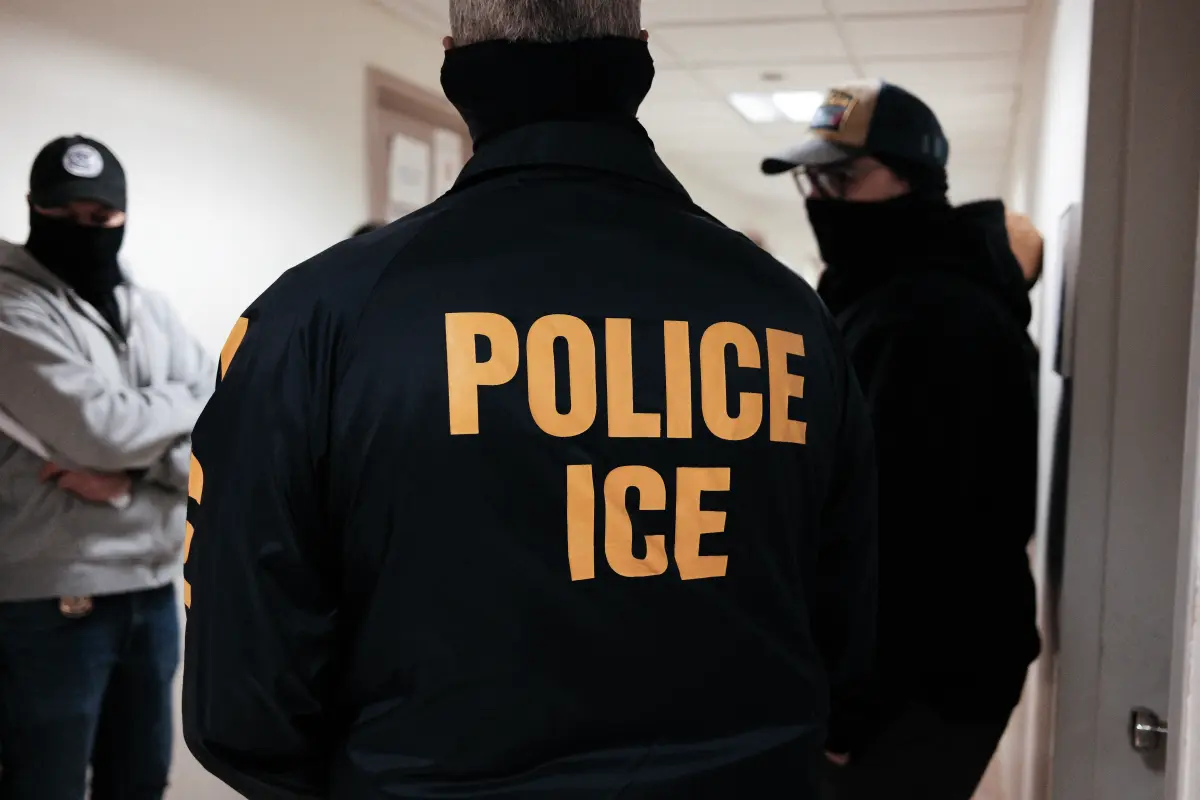
The authorities, however, exhibited ingenuity in circumventing these barriers, turning the laws to their advantage rather than letting them hinder justice. Instead of pushing for bail or alerting ICE prematurely, detectives opted for a desk-appearance ticket. This allowed Reynoso to be processed for the endangerment charge right at the precinct, where he was technically released without immediate detention. But it was all a calculated ploy: on his way out, ICE agents were poised to apprehend him based on his immigration status. This clever maneuver ensured he wasn’t lost to the streets, where he might vanish or strike again. It’s a testament to the resourcefulness of officers who, despite the constraints, refused to let a potential rapist evade accountability. Humans in these roles—cops, prosecutors, and agents—often carry the weight of such decisions, knowing that one wrong move could let evil escape. For the little girl’s family, this reprieve from an even worse outcome might bring a sliver of hope amidst the despair. Yet, it also highlights the patchwork nature of laws meant to balance rights and safety, sometimes clashing in ways that affect real lives. Advocates for the accused point out that these tactics could be seen as overly aggressive, potentially infringing on due process, but in cases involving child victims, public sympathy tilts heavily toward protection. The community watches such stories unfold, wondering if their own safety hinges on loopholes exploited by law enforcement.
DNA Evidence and the Tide of Justice Shifts
Days later, on February 13, the turning point arrived with DNA results that linked Reynoso directly to the assault. Samples from the child matched those collected from him, cementing his role in the crime and allowing prosecutors to escalate the charges dramatically. Now facing first-degree rape, predatory sexual assault against a child, sexual abuse, and continued endangering the welfare of a child, he was no longer just a suspect but a defendant held accountable under the full force of the law. Being held until his court appearance on Monday reflected the gravity of the allegations, a break from the initial release that authorities so strategically engineered. If convicted on the top count, Reynoso could spend up to 25 years in prison—a sentence meant to reflect the lifelong impact on his victim. The human element here is palpable: forensic scientists, working tirelessly in labs, pieced together biological evidence that translated a child’s suffering into irrefutable proof. They aren’t just analyzing samples; they’re advocates for the silenced, giving a voice to the voiceless through science. For the mother, these results were both vindication and a fresh wave of heartache, confirming the monster she unknowingly invited into her home. Support groups for sexual assault survivors, many filled with parents of similar tragedies, might share how such clarity can aid in healing, healing that this family desperately needs. But justice delayed is justice imperfect, and the initial legal dance only underscores how vital timely evidence is in protecting vulnerable populations.
Reynoso, through his lawyer who declined comment on the case, remains a figure shrouded in the constraints of the system—his side of the story yet untold in public forums, leaving assumptions to swirl. Yet, in the court of public opinion, he’s seen as a predator who exploited both the family’s trust and the ambiguities of American policies. Immigration debates rage on, with some arguing that sanctuary laws embolden illegal entries that can lead to crime, while others defend them as humane protections for the displaced, many fleeing violence in countries like Guatemala. This duality complicates empathy; are immigrants like Reynoso lost souls seeking a better life, or calculated threats? The child’s ordeal humanizes the debate, reminding everyone that policies have real faces and consequences. Communities on Long Island, diverse hubs of new arrivals and long-time residents, grapple with these tensions daily—neighbor helping neighbor, yet wary of shadows. Lawmakers and citizens alike must reflect on how to refine laws without sacrificing the intangibles like compassion and vigilance. The mother’s resilience, even as she supports her daughter through recovery, embodies the quiet strength of families enduring unimaginable pain. Counseling, therapy, and community support become lifelines, turning private trauma into shared lessons on precaution and vigilance. As the case progresses, the hope is that the system delivers justice, not just punishment, fostering a environment where children can thrive without fear.
Broader Implications and Community Reflections
This incident, a microcosm of larger societal issues, sparks reflections on childcare, immigration, and justice in modern America. Parents everywhere might reevaluate their babysitting arrangements, perhaps turning to verified services or background checks, haunted by the “what if” of this Long Island home. The human cost extends to the girl herself, whose path to recovery involves not just physical healing but psychological support—play therapy, counseling, and a network of loved ones to rebuild trust. Schools and pediatricians advise on open conversations about bodily safety, empowering children with knowledge as armor. Yet, the story also exposes gaps: how sanctuary policies, while shielding many from deportation, can inadvertently shield individuals like Reynoso, whose crimes demand crossing jurisdictional lines. ICE’s eventual capture highlights the necessity of inter-agency cooperation, a patchwork that sometimes works against efficiency. Advocates for reform suggest balancing bail laws to allow discretion in violent cases, ensuring victims’ voices aren’t drowned by bureaucratic constraints. Long Island, a melting pot of cultures, thrives on immigration but pays the price when policies hinder swift action. Stories like this erode trust in institutions, prompting calls for clearer guidelines that protect citizens without alienating newcomers ethically seeking asylum.
Finally, as Reynoso awaits his Monday appearance, the case looms as a symbol of resilience and the fight for justice. The 5-year-old’s spirit, though battered, holds the potential for healing, surrounded by a mother’s unwavering love and a community’s collective outrage. If convicted, the 25-year sentence would be a deterrence, but prevention lies in addressing root causes—immigration pathways that reduce illegal entries and societal safeguards that prioritize child welfare. Humanizing this tale reveals sides beyond headlines: the mother’s guilt, the investigators’ resolve, the child’s future fighting for normalcy. It’s a reminder that beneath laws and debates are people—victims, families, and even the accused—navigating a world that’s harsh and unpredictable. Paths forward include community dialogues, policy tweaks, and a commitment to empathy, ensuring tragedies like this don’t define but refine our shared humanity. Justiceserved here could be a beacon, illumination gaps in the system and affirming that no child’s safety is expendable, regardless of borders or laws. The stakes are high, but so too is the human capacity to adapt, heal, and protect. In summing, this narrative transcends a crime report, becoming a poignant call to action for a society vigilant against harm.