



NYPD Takes Action Against Pickpocketing in Tourist Hotspots
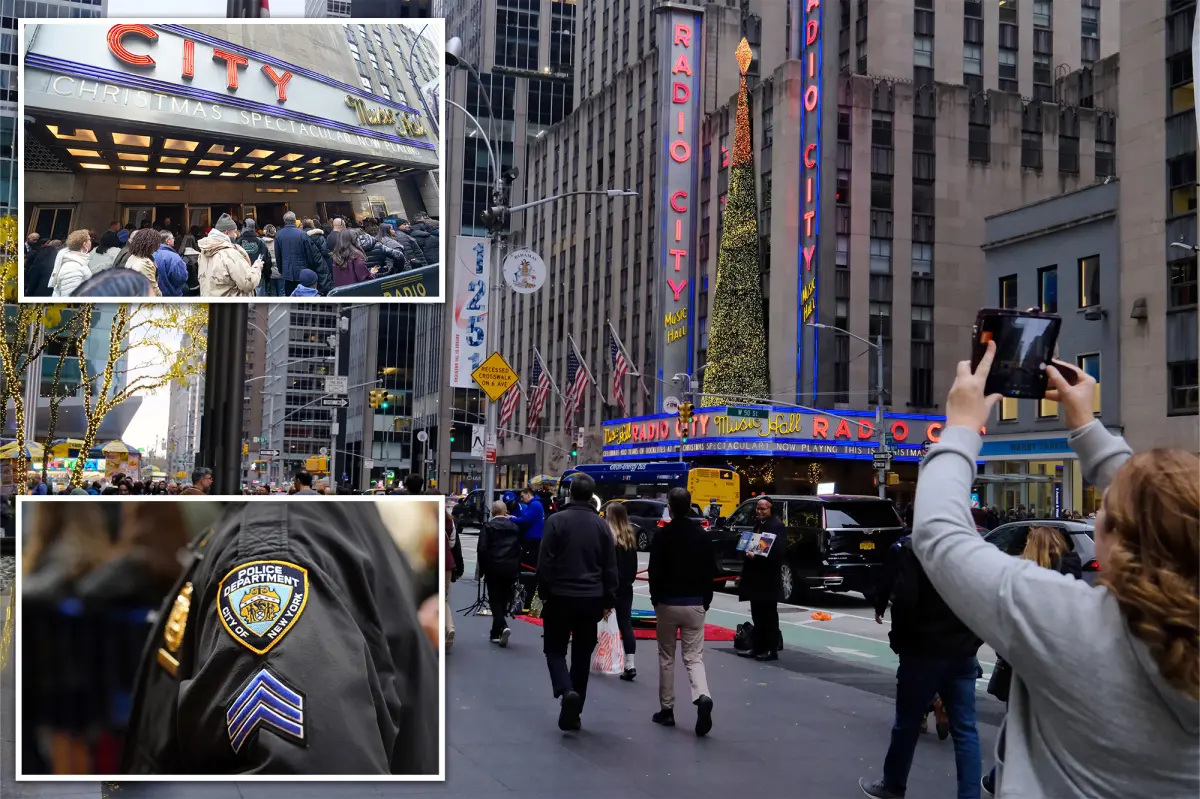
In a proactive move to protect holiday visitors, the NYPD positioned an electronic billboard truck outside Radio City Music Hall on Sixth Avenue Friday night with a clear warning: “Beware of pickpockets.” This visible deterrent highlights ongoing efforts to combat a persistent problem in New York City’s busiest tourist areas. Times Square, Bryant Park, and the vicinity around Rockefeller Center have long been hunting grounds for skilled thieves who target unsuspecting visitors, especially during the bustling holiday season. The NYPD maintains a specialized plainclothes “pickpocket unit” dedicated to patrolling these areas, working to catch thieves in the act before they can disappear into the crowds with wallets, phones, and other valuables. The 18th Precinct, which includes Radio City Music Hall, has seen encouraging trends with petit larceny (including pickpocketing) down 18% compared to last year—from 3,036 incidents to 2,486. While robberies have increased slightly by 9% annually, recent 28-day data shows substantial improvement, which police attribute to “thorough police work and relentless follow-up” by Midtown North precinct personnel.
The dynamics of pickpocketing in New York reveal both the vulnerability of visitors and the sophistication of those who target them. Beverly Paterson, a 77-year-old retired teacher from Georgia now living in the Bronx, shared her perspective on the risks: “It’s easy because, especially as women, we show our things sometimes, instead of keeping it in certain spots.” Patting her chest where she secures her valuables despite carrying a backpack, Paterson emphasized the need for heightened awareness in the city’s crowded spaces. Her cautionary advice reflects the reality that many tourists face: “This city is very big and you have to be careful about who you meet, where you’re at, and everything.” With characteristic New York resilience, she revealed her own security measure—her cane, which she noted “can be used as a weapon” if necessary. This blend of caution and preparedness characterizes how many long-time New Yorkers navigate the city’s public spaces.
Local perspectives on the pickpocketing problem reveal a common belief that out-of-town visitors make particularly vulnerable targets. Bob Kuppelmeyer, a 64-year-old retired defense industry employee who grew up in Queens but now lives on Long Island, observed while waiting outside Radio City Music Hall that “a lot of people are naive.” His assessment of the situation was straightforward: “People should be very wary about what’s going on around here… there’s a lot of scammers and you gotta have your head on a swivel.” Kuppelmeyer believes that scammers specifically “go after guests from other cities and countries because they might think this is Utopia.” His own preventative habit reflects the street smarts many locals develop: “My wallet has always been in my front pocket, never been in my back pocket, since I’ve been 18.” This simple practice demonstrates how minor adjustments in behavior can significantly reduce personal vulnerability in crowded urban environments.
The sophistication of pickpockets operating in New York should not be underestimated, according to those familiar with their techniques. Bay Ridge resident Peter Talocci, who works at the Brooklyn Justice Initiative, warned while visiting Radio City Music Hall that vigilance is essential: “In New York, you have to just watch who you are, where you are, who you’re with and crowds—and hands.” His description of the thieves’ methods highlights their skill level: “These guys are good, and girls, they’re really good.” The technique often involves minimal contact that victims might not even register as suspicious: “Brush up against you and they know so fast: pocketbooks, open pockets, cash, watches… they’re fast—very fast.” This expert assessment underscores why even seemingly minor encounters in crowded areas can result in lost valuables before victims realize what has happened, particularly when they’re distracted by the sights and experiences around them.
The global nature of pickpocketing as an urban phenomenon was highlighted through the perspective of 17-year-old Ella Worstell from the Baltimore area. Upon seeing the NYPD’s warning sign outside Radio City Music Hall, Worstell found it “funny and ironic” because she had just spent a summer in France where pickpocketing is “really big.” Her observation that pickpocketing “is not talked about in the US” points to cultural differences in awareness and prevention between European and American cities. The teen had already adopted a practical security measure from her overseas experience: hiding her crossbody purse under her coat, making it less accessible to potential thieves. This adaptation shows how international travel experiences can inform personal security practices, regardless of location.
The NYPD’s visible anti-pickpocketing campaign reflects a broader understanding that crime prevention requires both police intervention and public awareness. While statistics show encouraging trends in certain theft categories, authorities recognize that crowded holiday venues create prime opportunities for skilled thieves. Police sources noted that a temporary spike in robberies earlier in the year was related to “the large influx of temporary migrant housing in the area” but has “since mostly recovered.” This context illustrates how urban crime patterns respond to changing demographic and social conditions. As New York City continues to welcome millions of visitors annually, the balance between maintaining an open, welcoming atmosphere and providing appropriate security warnings remains delicate. The electronic billboard outside Radio City Music Hall represents just one visible element in an ongoing effort to protect visitors while preserving the vibrant street life that makes New York a global destination, especially during the holiday season when crowds gather to enjoy iconic attractions and festivities.