





The Early Violence of David Berkowitz: Examining the Bronx Sniper Case
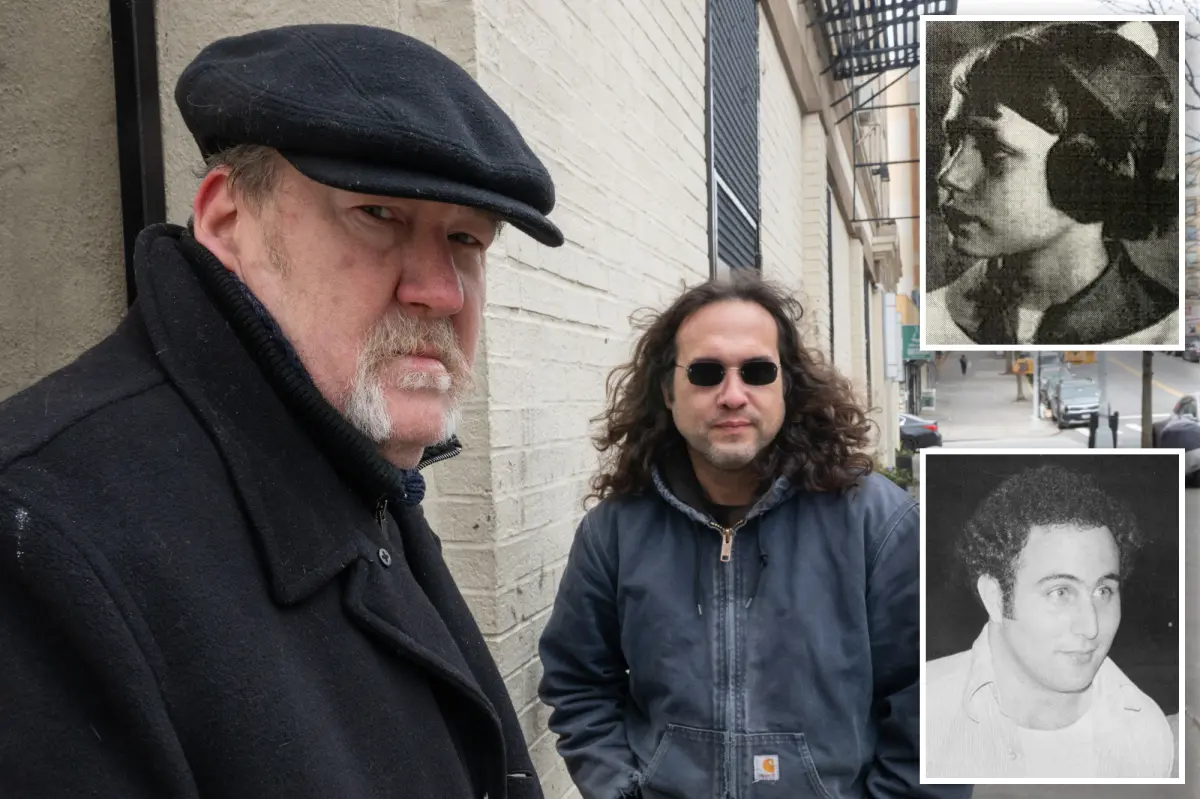
Decades before David Berkowitz became infamous as the “Son of Sam” killer who terrorized New York City in the late 1970s, there may have been earlier warning signs of his violent tendencies that went unnoticed. According to retired Yonkers detective Mike Lorenzo and crime researcher Manny Grossman, Berkowitz may have begun his killing spree much earlier than previously thought, possibly at the age of 17. They believe Berkowitz could have been responsible for a series of shootings in the Bronx in 1970, five years before his known murders began. The most serious of these incidents resulted in the death of 16-year-old Margaret Inglesia, who was struck by three .22-caliber bullets while walking home from a party in the early morning hours of October 18, 1970, in the Morrisania section of the Bronx. Inglesia was one of six victims targeted by a mysterious sniper on the same block over a two-month period, though she was the only one who died from her injuries. No arrests were ever made in these cases, leaving them unsolved for over fifty years.
Lorenzo and Grossman have built their theory on several compelling pieces of circumstantial evidence. During the time of the sniper attacks, the teenage Berkowitz worked at his father’s hardware store, Melrose Hardware, located approximately one mile from the shooting site. This employment placed him in the vicinity of the crimes between June 1970 and June 1971, after which he joined the U.S. Army. Additionally, when authorities searched Berkowitz’s apartment following his 1977 arrest for the Son of Sam murders, they discovered 100-yard shooting targets, suggesting he had been practicing marksmanship skills consistent with those needed for long-distance sniper attacks. Lorenzo points out the suspicious nature of these targets, noting that Berkowitz wasn’t a hunter and questioning why he would need to practice shooting at such distances unless he had sinister intentions. While acknowledging differences between the 1970 sniper attacks and the later Son of Sam shootings—which typically involved Berkowitz approaching parked cars and firing his .44-caliber revolver at close range—Lorenzo and Grossman believe the underlying pattern of random violence against strangers connects these cases.
The investigation into Berkowitz’s possible earlier crimes has precedent, as Lorenzo and Grossman have previously uncovered evidence linking him to other unknown victims. Their most significant breakthrough came when they identified Wendy Savino as a previously unrecognized Berkowitz victim. Savino was severely wounded while sitting in her Jaguar behind a Bronx restaurant when a smiling man approached her car and fired multiple shots, striking her in the face, back, arm, chest, and right eye. Though she survived by playing dead, she lost her right eye in the attack. Grossman discovered a police sketch Savino had helped create that bore a striking resemblance to Berkowitz, and when he contacted her decades later, she confirmed she had identified Berkowitz as her attacker immediately following his arrest in 1977. This revelation was significant enough that retired NYPD First Grade Detective Robert Klein determined Berkowitz was indeed responsible for shooting Savino, despite Berkowitz himself denying involvement during a prison interview.
The possibility that Berkowitz began his violent attacks years earlier than officially recognized raises troubling questions about missed opportunities to stop him before his killing spree intensified. If the teenage Berkowitz was indeed responsible for the Bronx sniper attacks, including the murder of Margaret Inglesia, it suggests a more extensive pattern of escalating violence than previously documented. Lorenzo describes the 1970 shootings as “Son of Sam before Son of Sam,” highlighting the similar randomness and brutality that characterized both series of attacks. The geographical proximity to Berkowitz’s workplace, the similar targeting of random victims, and the use of firearms all point to potential connections that Lorenzo and Grossman believe warrant deeper investigation. They argue that while the caliber of weapon differed—a .22-caliber rifle in the sniper attacks versus the later .44-caliber handgun—the fundamental methodology remained consistent: targeting strangers without apparent motive, often under cover of darkness.
Today, Berkowitz remains incarcerated at Shawangunk Correctional Facility in Ulster County, New York, serving 25 years to life for six counts of second-degree murder and seven counts of attempted second-degree murder. Now 72 years old, he has spent the majority of his adult life behind bars following his 1977 arrest, which ended his 13-month reign of terror across New York City’s boroughs. While the official Son of Sam case has long been closed, Lorenzo and Grossman continue pushing for authorities to reexamine the unsolved Bronx sniper cases, believing the answers may lie in long-forgotten police files. “I really think there’s something in those files,” Lorenzo has stated, convinced that a formal reinvestigation could finally bring closure to Margaret Inglesia’s family and potentially tie Berkowitz to crimes committed even earlier than previously known. The detectives’ advocacy represents a broader effort to ensure that cold cases aren’t simply abandoned, particularly when new connections to known killers emerge.
Beyond seeking justice for Margaret Inglesia, Grossman hopes to have the street where she was killed renamed in her honor, recognizing that even if Berkowitz isn’t conclusively linked to her murder, her case deserves renewed attention after more than five decades. “This is a major case that’s been forgotten,” Grossman emphasizes, reflecting the advocates’ dual mission of both solving the crime and ensuring its young victim isn’t lost to history. Whether or not the NYPD ultimately reopens the investigation, the work of Lorenzo and Grossman highlights how serial killers like Berkowitz may have longer, more complex criminal histories than their known convictions suggest. If their theories prove correct, they will have added an important chapter to the understanding of one of America’s most notorious murderers, revealing that his path to violence began much earlier and claimed more victims than previously recognized. For now, the question remains open: was the teenage David Berkowitz already practicing the deadly skills that would later make him infamous, or is this simply a tragic coincidence of separate crimes that bear superficial similarities? Only a thorough reinvestigation can provide definitive answers.